


Microplastic Interface Transformation in Agricultural Soil – Crop Systems and Food Chain Transfer Risks
Sources, Behavior, and Effects of Tire Wear Particles in Soil
Recent Advances in the Impact of Microplastics on theMicroplastic Interface Transformation in Agricultural Soil – Crop Systems and Food Chain Transfer Risks Function of Agricultural Soil Ecosystems
Effects of Microplastics on the Characteristics of Soil Dissolved Organic Matter Components in Maize Cropping Systems
Characteristics and Ecotoxicity on Earthworms of Aging Microplastics of Different Types in Soils
Uptake and Accumulation of Fibrous Microplastics in a Corn Plant
Combined Effects of Microplastics and Herbicides on Soil Respiration and Spectral Characteristics of Soil Dissolved Organic Matter
- Microplastic Interface Transformation in Agricultural Soil – Crop Systems and Food Chain Transfer Risks
- Sources, Behavior, and Effects of Tire Wear Particles in Soil
- Recent Advances in the Impact of Microplastics on theMicroplastic Interface Transformation in Agricultural Soil – Crop Systems and Food Chain Transfer Risks Function of Agricultural Soil Ecosystems
- Effects of Microplastics on the Characteristics of Soil Dissolved Organic Matter Components in Maize Cropping Systems
- Characteristics and Ecotoxicity on Earthworms of Aging Microplastics of Different Types in Soils
- Uptake and Accumulation of Fibrous Microplastics in a Corn Plant
- Combined Effects of Microplastics and Herbicides on Soil Respiration and Spectral Characteristics of Soil Dissolved Organic Matter

- Current Discuss
- First Published
- Album Paper
- Browser
-
Sustainable Utilization of Cadmium-Contaminated Soil: Safe Utilization Strategies Based on Mechanisms of Plant Cadmium Accumulation
HUANG Jiu, HU Die, GAO Yongqiang, CHEN Changzhao, JIANG Mengmeng, WANG Haoyu, ZHONG Chongwei, ZHENG Lu, SHEN Renfang, ZHU Xiaofang
2026,63(6):1769-1780, DOI: 10.11766/trxb202502260089
Abstract:
Cadmium contamination poses a significant threat to agricultural production and human health due to its persistence, toxicity, and potential to accumulate in crops and the food chain. However, there is a need for a comprehensive review that provides scientific guidelines for understanding Cd soil-solution chemistry, decreasing Cd levels in the food chain, and bridging the gap between laboratory research and field applications. This study conducted an in-depth literature analysis of both laboratory and field research to provide a comprehensive analysis of the soil chemistry of cadmium, which is crucial for understanding its bioavailability and mobility. The chemical behavior of Cd in soil is influenced by various factors, such as soil pH, organic matter content, and redox conditions. These factors determine the speciation of Cd, which in turn affects its uptake by plants and its potential to enter the food chain. The phytotoxic effects of Cd are manifold, impacting plant growth, physiological functions, and metabolic processes. Cd can suppress plant growth by inhibiting root and shoot development, reducing chlorophyll content, and disrupting photosynthesis. It also induces oxidative stress by increasing the production of reactive oxygen species (ROS), which can damage cellular components such as lipids, proteins, and DNA. The review also sheds light on the molecular mechanisms underlying plant responses to Cd stress. Two major molecular systems are highlighted: metal transporter families and regulatory transcription factor families. Metal transporters, including NRAMP, HMA, ZIP, ABC, and YSL, play essential roles in Cd uptake from the soil, translocation from roots to shoots, and detoxification within plant cells. These transporters facilitate the movement of Cd through cellular membranes and into subcellular compartments, such as vacuoles, where it can be sequestered to reduce its toxicity. On the other hand, transcription factors like WRKY, MYB, bHLH, and NAC regulate the expression of genes involved in Cd tolerance and detoxification. They activate defense mechanisms that help plants mitigate Cd-induced oxidative damage and maintain cellular homeostasis. Based on the understanding of these molecular mechanisms, the review proposes innovative strategies for the sustainable utilization of Cd-contaminated soils. These strategies integrate molecular design approaches, such as engineering transporters to limit Cd uptake and enhance its sequestration, with phytoremediation techniques that utilize metal-tolerant plant species. By providing scientific guidelines for reducing Cd levels in agricultural products and enhancing food safety protocols, this study bridges the gap between laboratory research and field applications. It offers valuable insights for developing environmentally sustainable agricultural practices in regions affected by Cd pollution, thereby contributing to global food security and environmental protection. The proposed approaches not only aim to decrease Cd accumulation in crops but also seek to improve the overall health and productivity of plants grown in contaminated soils, ensuring safer food supplies for the growing global population. Furthermore, the review emphasizes the importance of these strategies in mitigating the adverse effects of Cd contamination on soil fertility and ecosystem health. By reducing Cd levels in soil and crops, these strategies can help maintain soil fertility, protect biodiversity, and promote the overall health of ecosystems. The integration of different approaches can lead to the development of more resilient agricultural systems that can withstand the challenges posed by Cd contamination and other environmental stresses. This comprehensive review thus provides a foundation for future research and practical applications aimed at addressing the complex issue of Cd pollution in agricultural environments.
-
Research Progress on Soil Particulate Versus Mineral-Associated Organic Carbon Dynamics Mediated by Microorganisms
LIU Lei, ZHANG Yunlong, ZHANG Junling, WANG Ling, SUN Shiyou
2026,63(6):1781-1791, DOI: 10.11766/trxb202505260240
Abstract:
The turnover and stabilization of soil organic carbon (SOC) play a crucial role in the terrestrial carbon cycle, contributing approximately 25% to natural climate solutions. Particulate organic carbon (POC) and mineral-associated organic carbon (MAOC) are pivotal in the soil carbon dynamics. Soil microorganisms are the primary drivers of the carbon cycle, by decomposing plant residues to form POC via the “ex vivo modification” and accumulating microbial residual carbon via “in vivo turnover”, which then combines with soil minerals to form MAOC. However, the role of microorganisms in POC and MAOC formation is constrained by multiple factors, including nutrient management practices, soil properties, and climatic conditions, which limit the microbial regulation of carbon sequestration in agricultural soils. This review systematically introduced the framework of POC and MAOC. The contributions of growth anabolism (living and residual microorganisms) and non-growth anabolism (enzymes and extracellular polymers) to POC and MAOC were described. It further elucidated the regulatory mechanisms governing POC and MAOC through microbial community structure and physiological functions, whilst analyzing the influencing factors. On this basis, the review systematically considered the mechanisms and approaches by which microorganisms regulate and increase SOC, providing an important basis for constructing a theory of SOC increase based on physical-chemical-biological synergistic regulation.
-
Research Progress on the Mechanisms of Vegetation Restoration Affecting Soil Fe-Bound Organic Carbon
DONG Lingbo, DENG Lei, LÜ Qingzi, HAN Keyu, SHANGGUAN Zhouping
2026,63(6):1792-1804, DOI: 10.11766/trxb202509220463
Abstract:
Soil iron-bound organic carbon (Fe-OC) is a quantitatively important and exceptionally stable fraction of the soil organic carbon (SOC) pool. Owing to its relatively high proportion and stability, it plays a key role in mediating the soil carbon cycle and sustaining long-term carbon sequestration. As an effective strategy for enhancing soil carbon sequestration capacity and alleviating the adverse impacts of climate change, vegetation restoration has garnered increasing attention regarding its impacts on soil carbon dynamics and the underlying mechanisms. This review systematically synthesized recent research findings pertaining to the influences of vegetation restoration on soil Fe-OC. First, it sorted out the basic characteristics of Fe-OC, clarifying that Fe-OC binds to iron oxides primarily through adsorption and coprecipitation processes, and meanwhile identified two major formation pathways: microbial-mediated transformation of organic substrates and direct adsorption of plant-derived dissolved organic matter. On this basis, it elucidated the dynamic patterns of Fe-OC under vegetation restoration, its changes are regulated by soil texture and vegetation type (Fe-OC tends to accumulate in coarse-textured soils but decreases in fine-textured soils, and forestland exhibits a stronger Fe-OC accumulation effect than grassland and shrubland). Further, it analyzed key influencing factors, including the composition and molecular properties of SOC, the speciation and reactivity of iron oxides, as well as soil microbial traits, and interpreted the coupled regulatory mechanisms through which vegetation restoration governs the formation, accumulation, and stability of Fe-OC from physical processes (soil aggregate formation and soil moisture regime regulation), chemical reactions (shifts in SOC molecular structure and iron valence transformation), and biological activities (microbial metabolic processes and organic acid exudation). Also, this review identified the existing knowledge gaps and limitations in current research, and proposed that future studies should expand the coverage of diverse climatic zones, accurately quantify the relative contribution ratios of plant- and microbe-derived carbon to Fe-OC pools, strengthen the analysis of the role of soil microbial functions in the formation and stabilization of Fe-OC, and integrate the complex drivers of global change to simulate Fe-OC dynamics under multifactorial scenarios. Only through such comprehensive and interdisciplinary approaches can the intricate mechanistic responses of Fe-OC to vegetation restoration be fully unveiled. This review delineates prospective research directions for the study of soil Fe-OC dynamics under vegetation restoration, facilitates a more comprehensive understanding of the impacts of vegetation restoration on the soil carbon cycle, and provides an important scientific basis for formulating soil carbon sink management strategies to address global climate change.
-
Microscopic Mechanisms Mediating N2O Production and Emission in Soil-Straw System Pore Structures: A Review
LU Yuanchuang, LIU Ying, WANG Gang, ZHU Kun
2026,63(6):1805-1818, DOI: 10.11766/trxb202508180403
Abstract:
Nitrous oxide (N2O) is a potent greenhouse gas; thus, understanding its emission mechanisms from agricultural soils is a critical research priority. Previous studies have largely focused on macro-scale drivers like climate and management, leaving a gap in the systematic understanding of how micro-scale soil pore heterogeneity regulates N2O dynamics. This review addresses this gap by synthesizing current knowledge. It first examines how dynamic changes in soil pore characteristics (e.g., porosity, pore-size distribution, connectivity) govern the transport of water, gases (O2, N2O), and solutes, thereby creating distinct microenvironments for N2O production and diffusion. A key focus is the scenario of straw incorporation. The analysis details how straw management, encompassing application methods, duration, and straw type—interacts with soil physical structure and moisture regimes (particularly wetting-drying cycles) to reshape pore network heterogeneity. Building on this physical foundation, the review then analyzes the consequential biogeochemical effects. It highlights how pore-scale heterogeneity in the distribution and accessibility of carbon/nitrogen substrates and oxygen critically regulates microbial nitrogen transformation processes (e.g., nitrification and denitrification), ultimately controlling N2O production pathways and the emergence of emission “hotspots.” Furthermore, this synthesis consolidates potential micro-scale mitigation strategies that leverage pore structure manipulation. These include optimizing straw treatment (e.g., biochar production, particle size reduction) and targeting microbial communities to design microenvironments that suppress N2O formation or enhance its reduction to N2. In summary, by developing an integrated framework that links pore structure dynamics with microbial biogeochemistry, this review advances the mechanistic understanding of N2O emissions under straw incorporation. It provides a novel, pore-centric perspective and a theoretical basis for designing innovative farmland management practices aimed at reducing greenhouse gas emissions while supporting sustainable agriculture.
-
Interactions Between Rhizosphere Microorganisms and Plant Cell Walls and Their Role in Aluminum Tolerance in Acidic Soils
XU Wen, ZHANG Li, ZHANG Hui, DING Jixian, ZHAO Yuan, MA Zhiyuan, JIANG Meitong, LIANG Yuting
2026,63(6):1819-1829, DOI: 10.11766/trxb202510220506
Abstract:
As a critical interface between plants and microorganisms, the cell wall frequently undergoes compositional or structural alterations during its interactions, a process known as cell wall modification. Such modifications not only influence plant-microbe interactions but also play a regulatory role in enhancing plant tolerance to aluminum toxicity in acidic soils. Therefore, investigating whether microorganisms can alleviate aluminum toxicity through the modulation of plant root cell wall properties holds significant scientific importance and practical application potential. This review summarizes the regulatory mechanisms of microbial action on root cell walls with respect to root cell wall dynamics, focusing on the patterns and characteristics of microbial-induced root cell wall modifications. Furthermore, it discusses potential sites and molecular pathways involved in this process that contribute to improved plant resistance to aluminum toxicity under acidic conditions. The review aims to provide a theoretical foundation for a deeper understanding of plant-microbe interaction mechanisms and to offer novel insights for the development of a synergistic system integrating "aluminum-tolerant crops" with functional microorganisms.
-
Study on the Community Characteristics and Ecological Functions of Periphyton
ZHANG Zhike, SHI Qing, ZHAO Bin, WEI Yuquan, ZHANG Hao, CAI Linying, SONG Yinan, CHEN Weisheng
2026,63(6):1830-1842, DOI: 10.11766/trxb202502170064
Abstract:
Periphyton (PHT), widely distributed in aquatic ecosystems, function as critical multi-interface carriers across water-sediment-atmosphere boundaries, playing vital ecological roles in energy flow, element cycling, and pollutant remediation. This work reviews recent advancements in the fields of PHT research, both in domestic and international contexts, emphasizing on the analysis of community structures and the corresponding characteristics exhibited under varying environmental conditions. The ecological functions of PHT within aquatic ecosystems are explored, along with the identification of key environmental factors like environmental conditions and media that influence its growth and ecological functions. PHT plays a crucial role in nutrient cycling within aquatic ecosystems. As primary producers, they offer essential nutrients to the ecosystem and serve as effective bioindicators of water quality, with the ability to bioaccumulate heavy metals. Key environmental factors such as temperature, light availability, and pH regulate the growth of PHT, with dominant species in the community shifting in response to changing environmental conditions. Furthermore, anthropogenic activities, nutrient loading, and soil conditions significantly influence the composition, structure, and functional dynamics of PHT communities. Additionally, this work evaluates the potential of the application of PHT-based research to environmental management, sustainable agricultural practices, as well as ecological amendment, with an emphasis on innovative eco-engineering solutions. According to these findings, present study recommends that future work should undertake more in-depth and systematic investigations into the roles of PHT in the degradation and treatment of emerging contaminants, the integration with multidisciplinary approaches and advanced technologies, as well as their applications in other fields. This review aims to provide a theoretical framework and scientific guidance for interdisciplinary research and industrial development on identifying PHT community structures, enhancing ecological functions, and advancing sustainable ecological restoration practices.
-
Prediction of Soil Fertility Properties in Cropland Using Multi-temporal Synthetic Remote Sensing Image: A Case Study of Youyi Farm in Sanjiang Plain
MA Haiyi, WANG Changkun, LIU Jie, GUO Zhiying, YUAN Ziran, YAO Chengshuo, WANG Xiaopan, PAN Xianzhang
2026,63(6):1843-1855, DOI: 10.11766/trxb202507090338
Abstract:
【Objective】 The Northeast of China is one of the most important grain production base for China. In recent years, unreasonable use of cultivated land in this region has caused a decline in soil fertility, posing a severe threat to the nation’s food security. To ensure sustainable agricultural practices, it is important to develop a rapid and reliable method for monitoring variations in soil physicochemical properties. 【Method】This study focused on the Youyi Farm in the Sanjiang Plain as the research area, aiming to evaluate the feasibility of Sentinel-2 multi-temporal remote sensing imagery in predicting key soil fertility properties. A total of 103 surface soil samples in cropland were collected, and Sentinel-2 images acquired during the potential bare-soil periods (April, May, and June) from 2019 to 2023 were selected to build a Random Forest regression model for predicting soil organic matter, total nitrogen, total phosphorus, and total potassium. To investigate the temporal effects of images on the prediction performance and to identify optimal temporal combinations for high-precision prediction of these soil fertility properties, the images were organized along two temporal axes. First, the images were divided into seven-year groups(five single-year groups: 2019, 2020, 2021, 2022, and 2023, and two multi-year groups: 2020—2022 and 2019—2023). Then, within each year-group, the images were further divided into four month-groups (three single-month-groups: April, May, and June, and one multi-month-group: April—June). Finally, the combination of the seven year-groups and four month-groups produced 28 distinct year-month temporal groupings. For each grouping, all available Sentinel-2 images were synthesized by median compositing to produce 28 synthetic images that served as inputs to the Random Forest model. 【Result】The results indicate that soil organic matter was predicted with the highest accuracy among the four fertility properties, with an R2 of 0.62 and an RMSE of 6.58 g·kg-1. The prediction accuracy of soil total nitrogen was similar to that of organic matter, with an R2 of 0.58 and an RMSE of 0.34 g·kg-1. Total phosphorus predictions were not sufficiently accurate for practical applications, with the highest accuracy of an R2 of 0.13 and RMSE of 0.01 g· kg-1. The total potassium achieved a relatively high prediction accuracy of an R2 of 0.53 and RMSE of 1.55 g·kg-1. 【Conclusion】The results in different year-groups and month-groups indicated that (1) multi-year synthetic images outperformed single-year synthetic images in prediction accuracy, and (2) the synthetic images from May showed the highest prediction accuracy among the monthly groupings. These findings demonstrate that careful temporal selection and multi-temporal synthesis of Sentinel-2 imagery can improve the prediction accuracy of soil organic matter, total nitrogen, and total potassium in the cultivated land of Northeast China. In contrast, Sentinel-2 spectral bands alone are difficult to effectively predict total phosphorus content. Integrating auxiliary environmental variables (such as topography, climate, or cultivation management) or employing alternative remote sensing data may be necessary to achieve higher accuracy. Overall, this study provides methodological guidance and technical support for regional-scale soil fertility monitoring and mapping in the Sanjiang Plain.
-
Responses of Erosion and Carbon Loss to Full-growing-season Maize and Soybean Cover on Long Gentle-slope Black Soil Croplands
WANG Zhonghua, WANG Qiankun, ZHOU Tianci, XIE Yuanyuan, WANG Junguang
2026,63(6):1856-1868, DOI: 10.11766/trxb202507040329
Abstract:
【Objective】 This study aimed to investigate the erosion characteristics and sediment carbon loss patterns at different slope positions in the long and gentle slope farmland of the black soil region in Northeast China. The research focused on the full - growth - period coverage of soybean and maize, and at the same time, optimized the cover management factor(C - factor)model to provide a theoretical basis for erosion control and carbon sequestration in this specific geographic area. 【Method】 The research was conducted in the Fuhe small watershed of Bin County, Heilongjiang Province. Runoff plots were established at three distinct slope positions: the upper slope, middle slope, and lower slope. Through in situ artificial simulated rainfall experiments, the study systematically analyzed the impacts of soybean and maize coverage on runoff generation, sediment yield, and sediment carbon loss. The dynamic relationship between water and sediment was explored. Furthermore, by integrating two key vegetation parameters, crop coverage and plant height, a comprehensive and optimized C - factor model was constructed to improve prediction accuracy. 【Result】 The results demonstrated that under the coverage of soybean and maize, the runoff and sediment yield in all plots followed a "V"-shaped trend, initially decreasing and then increasing as the crop growth periods progressed. The optimal stages for reducing runoff and sediment were identified as the beginning of the grain filling stage for soybean(with reduction rates of 33.76%~40.33% and 89.96%~94.54%, respectively) and the tasseling stage for maize (46.32%~54.23% and 92.67%~96.29%, respectively). Comparatively, maize exhibited superior erosion resistance capabilities to soybean. Regarding spatial distribution, the erosion sensitivity across different slope positions followed the hierarchy of lower slope > middle slope > upper slope. Statistical analysis showed that runoff volume, sediment yield, and sediment concentration in runoff were all highly significantly negatively correlated with both crop coverage and plant height. The optimized model integrating these parameters (C=-0.595log (0.01V)×(0.00491H+1.65048)) demonstrated a significant improvement, reducing the root mean square error (RMSE) by 59% compared to traditional models. Additionally, sediment carbon loss was significantly negatively correlated with crop coverage and plant height. Maximum crop coverage was found to reduce total sediment carbon loss by 91.04%~96.12%, with the most effective stages being soybean grain filling and maize tasseling. Notably, 32.65%~69.91% of the total sediment carbon loss was contributed by large sediment particles (> 0.25 mm). 【Conclusion】 This study successfully reveals the specific patterns of soil and sediment carbon loss under the full-growth-period coverage of large-grain crops on long and gentle slopes in the black soil region. The research highlights the critical role of crop phenology and slope position in influencing erosion processes. The findings and the optimized C-factor model provide a robust theoretical foundation for developing effective erosion prevention measures and enhancing carbon sequestration strategies in the long and gentle slope farmland of the Northeast China black soil region.
-
Effects of Different Green Manure Plantations on Runoff and Sediment Yield in Sloped Citrus Orchards with Purple Soil and Their Underlying Mechanisms
ZHAO Yanting, WANG Xiaoyan, HE Hui, CHEN Zhanpeng, CHEN Fangxin, SHAN Qiao
2026,63(6):1869-1882, DOI: 10.11766/trxb202508030377
Abstract:
【Objective】Green manure cultivation in orchards plays a positive role in improving soil physicochemical properties, such as soil structure, and in reducing soil erosion. However, the mechanisms by which green manures mitigate soil erosion in sloping orchard systems remain unclear. 【Method】This study was conducted using runoff plots in a citrus orchard to systematically monitor runoff and sediment yield under natural rainfall conditions in plots planted with ryegrass (Lolium perenne), hairy vetch (Vicia villosa), and white clover (Trifolium repens), compared with bare tilled(bare soil)control plots. The effects of green manure plant characteristics, stem thickness, plant height, root length, and vegetation cover, on soil structural properties (porosity, bulk density, average infiltration rate) and organic matter content, as well as their relationships with runoff and sediment production, were analyzed. 【Result】The results showed that (1) Green manure plant traits significantly improved from initial to peak flowering. Hairy vetch exhibited the greatest plant height and root length, ryegrass had the optimal stem thickness, and white clover achieved the highest vegetation cover. (2) Soil bulk density and porosity were closely correlated with green manure root length: more developed root systems were associated with lower bulk density and higher porosity (P < 0.05). At peak flowering, green manure plots showed a significant decrease in bulk density and notable increases in porosity and average infiltration rate compared to the seedling stage, whereas the bare tilled control exhibited opposite trends. Organic matter content increased in all plots from seedling to peak flowering, but the smallest increase occurred in the bare control. Among treatments, hairy vetch showed the greatest reduction in bulk density (-8.69%) and the largest increases in porosity (+8.22%) and organic matter (+45.88%). Also, ryegrass demonstrated the best infiltration performance, followed by white clover. (3) Root length exerted strong influences on subsurface flow (effect strength = 0.66) and sediment yield (0.71), while plant height and vegetation cover primarily affected surface runoff (0.62) and sediment yield (0.61) by dissipating rainfall energy and resisting overland flow. Over a full annual cycle, including growth, residue decomposition, and tillage periods, the average runoff and sediment yields followed the order: bare tillage > hairy vetch > white clover > ryegrass, clearly indicating the superior overall erosion control by ryegrass. Although the hairy vetch plots recorded the lowest sediment concentration in runoff, temporal analysis revealed distinct performance patterns. Specifically, white clover was most effective in reducing runoff and sediment during the early growth stages (seedling/initial flowering) due to its rapid establishment, whereas ryegrass performed best during peak flowering, decomposition, and the non-growing season, owing to its persistent biomass and robust root system. 【Conclusion】Intercropping ryegrass and white clover in sloping citrus orchards provides the most effective control of soil and water loss. These findings provide theoretical support for the strategic mixing and temporal scheduling of green manure species, tailored to specific ecological functions in different agroecological zones.
-
Effects of Green Manure Mulching on Soil Erosion Resistance in Orchards and Its Seasonal Variation Characteristics
HE Yixuan, PAN Zhengyang, LI Zhaojun, CHEN Zhanpeng, WANG Xiaoyan, CHEN Fangxin, ZHU Guangyu
2026,63(6):1883-1895, DOI: 10.11766/trxb202507280362
Abstract:
【Objective】Soil erosion is serious in the Three Gorges Reservoir area, and green manure mulching can help improve soil structure and enhance erosion resistance. However, the regulation mechanism of green manure on soil erosion resistance is affected by vegetation characteristics and rainfall distribution, and the seasonal response is not clear, Therefore, it is important to clarify the seasonal response characteristics of different mulching treatments on soil erosion resistance, and to screen suitable green manure in the reservoir area.【Method】This study used typical citrus orchards in the Three Gorges Reservoir Area as the research objects and set up three mulching treatments: clear tillage, white clover, and Kentucky bluegrass. The vegetation characteristics, soil physical and chemical properties, and six soil erosion resistance indicators under each treatment were measured in April, June, August, and October. The Comprehensive Soil Erosion Resistance Index (CSRI) was constructed with six erosion resistance indicators to further quantitatively evaluate the influence of different green manure coverages on soil erosion resistance.【Result】The results showed that soil erosion resistance under different mulching treatments showed seasonal variation rules, with the strongest soil erosion resistance in April-June, declining in August under the influence of high temperature and heavy precipitation, and rebounding but not reaching the peak in October. Compared with clean tillage, green manure significantly improved soil physicochemical properties, and CSRI under Kentucky bluegrass and white clover cover was 1.94 and 2.33 times higher than that of clean tillage, respectively. Multivariate statistical analysis showed that CSRI was mainly driven by vegetation characteristics and soil nutrients together, and the key factors were root weight density (RMD), soil total nitrogen (TN) and organic carbon (SOC). 【Conclusion】These results show that green manure mulching significantly improves soil structure and enhances soil erosion resistance, and the effect of Kentucky bluegrass cover is superior to that of white clover.
-
Impacts of Land Use and Rainfall Regimes on Runoff-Sediment Dynamics Across Full Hillslopes in the Three Gorges Reservoir Area
LI Jianming, ZHANG Changwei, DING Wenfeng, TONG Xiaoxia, SUN Baoyang, RAN Wenjian, REN Hongyu
2026,63(6):1896-1911, DOI: 10.11766/trxb202508050381
Abstract:
【Objective】The Three Gorges Reservoir area, as a typical key region for soil erosion in the Yangtze River Basin, has received widespread attention. However, the differential responses of surface runoff and sediment production to rainfall typologies in the Three Gorges Reservoir Area remain underexplored. 【Method】This study systematically analyzed runoff-sediment dynamics in relation to land use and rainfall characteristics using a comprehensive 3-year dataset (2021-2023) from the Fugou experimental watershed in Wanzhou District, Chongqing, which includes 108 rainfall-runoff events monitored from 8 natural full-slope and 1 standard bare slope plot (as control), representing typical landforms in the Three Gorges Reservoir area. The area of the full-slope plots in this study ranges from 407 to 1539 m2, with slopes between 14° and 25°. The standard runoff plot has an area of 100 m2 and a slope of 15°. All plots were characterized by purple soil, while the surface coverage of other land-use plots ranged from 73% to 85%. 【Result】The results showed that: (1) During the observation period, rainfall was primarily classified into three types: Type A (low frequency, long duration, heavy rainfall amount, moderate rainfall intensity), Type B (medium frequency, short duration, moderate rainfall amount, heavy rainfall intensity), and Type C (high frequency, medium duration, light rainfall amount, light rainfall intensity). Among these, Type C exhibited the highest frequency in the study area, while Type A was identified as the principal rainfall type inducing slope runoff and sediment yield. The critical rainfall intensity and maximum 30-min rainfall intensity triggering erosion on bare slopes were 3.60 times and 1.41 times those of the other land use plots, respectively. (2) The multi-year average runoff and sediment yield from bare slopes were 2.63 to 4.03 times and 5.71 to 9.84 times those of the other land use plots, respectively. Sediment production in cropland and arboreal woodland showed the highest sensitivity to Type A rainfall events, whereas grassland sediment yield was most sensitive to Type C rainfall. Bare slopes and shrubland sediment yields demonstrated peak sensitivity to Type B rainfall. (3) The contribution of rainfall types to runoff and sediment yield from bare slopes and the other land use plots was influenced by the land use types. The impact of rainfall types on runoff generation from bare slopes was weaker than that on the other land use plots, but their influence on sediment production exceeded that of the other land use plots. Also, the average runoff reduction efficiency and sediment reduction efficiency of the other land use reached 72.13% and 98.72%, respectively. Grasslands demonstrated higher sediment reduction efficiency than other measures, and the maximum runoff-sediment reduction benefits of conservation measures occurred during Type B rainfall events. Analysis of variance contribution rates revealed the following order of influence on slope runoff and sediment yield: land use (50.30%~70.37%)> rainfall type with land use (0.30%~5.70%)> rainfall type (23.93%~49.40%) in descending order. In addition, the impact of rainfall patterns on slope runoff and sediment yield was significantly influenced by land use.【Conclusion】The results indicate that implementing soil erosion control in the Three Gorges Reservoir Area requires comprehensive consideration of rainfall characteristics to deploy targeted measures. Simultaneously, it is proposed that when implementing comprehensive soil and water conservation management in the study area, appropriate measures should be identified under the premise of considering the regional climate. These findings provide a scientific basis and practical guidance for soil erosion prevention and control in the study area.
-
The Impact Mechanism of Different Soil Cover Thicknesses on Soil Erosion and Nutrient Loss in Open-pit Coal Mine Dump
XIONG Shuzhen, LÜ Gang, ZHANG Yanan, ZHANG Taiyu
2026,63(6):1912-1922, DOI: 10.11766/trxb202507310367
Abstract:
【Objective】The thickness of soil cover is a key factor determining the ecological restoration effectiveness of the open-pit coal mine dump. A reasonable reclamation thickness directly affects the effects of soil erosion control, nutrient retention, and vegetation restoration.【Method】Taking the dump of Fushun West Open-pit Mine as the research object, a platform-slope model with a height of 50 cm, a platform width of 40 cm, and a slope of 25°was constructed. An indoor simulated rainfall test was conducted, and the rainfall duration was 120 min. During the rainfall process, to record the development process of the rill, one section was taken along its longitudinal direction at the top, middle, and bottom, respectively. The width and depth of the trench were measured with a steel ruler, and the length of the trench was recorded simultaneously. The average values were respectively taken as the morphological characteristic parameters of the rill. The measurement time was from the beginning of the self-generated flow. Within the first 20 min, measurements were taken every 2 min, and from 20 to 120 min, measurements were taken every 6 min. Meanwhile, the runoff and sediment yield were collected every two min using the runoff bucket. After 12 h of sedimentation, the supernatant was collected, and the flow rate was measured with a graduated cylinder. The sedimentary soil was dried in an oven at 105℃ to a constant weight, and the moisture content was measured. Afterwards, the runoff volume was estimated as the sum of the water volume measured by the graduated cylinder and the soil moisture content, while the sediment yield was considered as the dry weight of silt and sand. After determining the sediment yield, nutrient content analysis was conducted. Soil organic matter was determined by the potassium dichromate external heating method, total nitrogen was determined by the Kjeldahl nitrogen analyzer method, and available phosphorus and available potassium were determined by ICP-MS. By analyzing the obtained data, the influence mechanism of different soil cover thicknesses on the sediment yield characteristics and nutrient loss process of the waste dump was revealed.【Result】(1) Under different soil cover thicknesses, rill erosion was dominant. The process can be divided into the rill head formation stage, the rill erosion development and evolution stage, and the stable stage. The maximum development rates were 0.65-3.0 cm·min-1, 1.5-16.75 cm·min-1,and 0.38-1.25 cm·min-1, respectively. The soil cover thickness was linearly and positively correlated with the time of the maximum sediment yield rate and the time of the maximum sediment content, with R2≥0.93. That is, increasing the soil cover thickness can effectively delay the occurrence of erosion and reduce the output of sediment. (2) Also, the rate of soil nutrient loss decreased with the increase in soil cover thickness. Under the conditions of 10 cm, 20 cm, and 30 cm soil cover, it was 4.34%-55.11%, 4.97%-46.78%, and 2.61%-40.93%, respectively. The overall degree of nutrient loss followed available phosphorus > total nitrogen > available potassium > organic matter. (3) The dynamics of nutrient loss and the rate of sediment yield and flow showed a synergistic change pattern. The cumulative contribution ratios of sediment yield and flow in the first, second, and third stages of erosion ditch development were 2.3%-3.4%, 55%-71%, and 31%-43%, respectively, and the cumulative contribution ratios of sediment yield were 0.7%-3%, 47%-88%, and 13%-52%, respectively. Additionally, the contribution ratios of cumulative nutrient loss were 0.61%-4.8%, 35.10%-81.48%, and 14.48%-63.98%, respectively. The second stage of furrow development was the main stage of sediment yield and nutrient loss, but the peak loss rate was delayed with the increase of soil cover thickness.【Conclusion】Based on the goal of controlling soil erosion and nutrient loss, it is recommended that in the reclamation project of dumps under similar climate-soil conditions, the soil cover thickness be set at 30 cm.
-
Penetration Resistance Characteristic Model of Red Soils and Influencing Factors
WANG Jinqiang, CHENG Chaofan, TIAN Zhengchao, HE yangbo, LIN lirong, CHEN jiazhou
2026,63(6):1923-1935, DOI: 10.11766/trxb202507150348
Abstract:
【Objective】High soil penetration resistance(PR)limits global crop growth and sustainable agricultural productivity. Heavy soil texture, low soil organic matter, and low topsoil water content during summer significantly increase PR under a subtropical monsoon climate in southern China. However, the specific mechanisms controlling these processes remain elusive. Thus, the objectives were to investigate the applicability of various penetration resistance characteristic models in red soils with different parent materials and identify key influencing factors, and assess the ameliorative effects of mechanical- and bio-tillage on PR in Ultisols.【Methods】This study investigated four red soils derived from different parent materials in China’s humid subtropical climate, including granitic (GS), Quaternary red clayey(CS), argillaceous shale(AS), and red sandstone red soil(SS). Key parameters measured included soil PR, water content(SWC), bulk density(
r ), organic matter (SOM) and texture. We evaluated the performance of five PR models (soil water content model, soil matric potential model, soil water content and bulk density model, soil matric potential and bulk density model, and saturated stress model) and identified their influencing factors in red soils, assessed the ameliorative effects of mechanical- and bio-tillage on PR in Ultisols, and determined the PR threshold for four red soils using the least limiting water range. 【Results】Among the five characteristic models of soil PR, the saturated stress model provided a better fit (lower SSE and higher R2)for the four red soils, followed by the soil water content model, the soil water content and bulk density model, and the soil matric potential model. PR in red soils increased with decreasing water content, exhibiting a sharp increase once the water content fell below a critical value(~ 0.32 cm3·cm-3). The PR of low bulk density soils (1.3 g· cm-3) experienced a sharp increase at low water contents, whereas that of high bulk density soils (1.5 g·cm-3) showed a dramatic increase at high water contents. Soil texture (clay content) was a primary factor influencing PR of different parent material red soils, while SOM had negligible effects. When the soil water content was 0.25 cm3·cm-3, mechanical tillage (deep tillage with 30 cm ploughing depth) reduced PR by ~1 034 kPa in the 0~40 cm depth compared to control treatment (no-tillage), whereas bio-tillage achieved a reduction of ~785 kPa in the same depth and reduced PR (~1 500 kPa) in the subsoil. The critical PR thresholds of the four red soils exceeded 2 500 kPa, and thresholds for clayey red soils were higher than those for sandy red soils. 【Conclusion】The saturated stress model proved highly effective for predicting red soil PR in of southern China. SWC,r and texture played the primary factors influencing PR across different parent material red soils, with clayey red soils (CS and AS) exhibiting higher PR thresholds than sandy red soils (GS and SS). This research provides a scientific basis for identifying the occurrence of seasonal drought and rationally selecting tillage practices for drought prevention in subtropical red soil regions of China through the lens of soil penetration resistance. -
Spatial Distribution of Soil Selenium and Its Influencing Factors in Wenzhou Southeast Zhejiang Province
XU Xiongchao, XU Pengfei, YE Wenrong, JIANG Zhenhui, QING Haiyan, HUANG Chunlei, WANG Lei, ZHANG Qianqian
2026,63(6):1936-1948, DOI: 10.11766/trxb202506200295
Abstract:
【Objective】Southeast Zhejiang is an important ecological barrier and an enrichment area of characteristic agricultural resources along the southeast coast of China, possessing rich selenium (Se) resources. A detailed understanding of the spatial heterogeneity of soil selenium and its controlling factors is fundamental for planning Se-enriched agriculture and managing land resources sustainably. However, systematic investigations on the spatial distribution patterns of soil selenium and its key driving factors in this region remain insufficient. 【Method】This study selected Wenzhou City, a representative area with complex geology and diverse land use within southeastern Zhejiang, as the research focus. The primary objectives were to: 1) characterize the spatial distribution of Se in surface soils; 2)evaluate the influences of various natural and anthropogenic factors on soil Se content; and 3)identify the dominant factors controlling its spatial variability. Following the technical specifications for 1: 50, 000 land quality geochemical surveys, a systematic sampling strategy was designed and implemented, collecting 25, 753 topsoil samples(0-20 cm depth). Field investigations of geology and geomorphology, laboratory analyses of soil nutrients, heavy metals, and selenium content, as well as GIS-based spatial analysis, correlation analysis, and multiple regressions, were comprehensively integrated to systematically explore the spatial distribution patterns of soil Se and its primary controlling factors in Wenzhou.【Result】The results revealed that the average Se content in the topsoil soils of Wenzhou City was 0.32 mg·kg-1, with a range of 0.03 to 2.54 mg·kg-1.The coefficient of variation was 40%, indicating a moderate degree of variability. The Se-rich soil (selenium content ≥ 0.4 mg·kg-1) accounted for 25.6% of the total area of the region.Also, the geostatistical analysis demonstrated a strong spatial autocorrelation for soil Se, with an effective range of approximately 13.35 km based on the best-fitted exponential semivariogram model (R2=0.994). In addition, the spatial distribution exhibited a clear regional pattern, characterized by significantly higher Se levels predominantly in the central part of the city, encompassing low mountainous and hilly areas like Ouhai and Ruian, compared to the eastern and western regions. Stratigraphic unit, soil parent material, geomorphic type, soil type, land use type, and soil texture all had significant effects on soil Se variation, among which parent material played the most dominant role. Soil Se content was significantly negatively correlated with soil pH, while showing significant positive correlations with organic matter, total nitrogen, and heavy metals. Multiple regression analysis indicated that soil type, parent material, pH, and arsenic content were the primary factors controlling soil Se spatial differentiation.【Conclusion】The spatial differentiation of surface soil Se in Wenzhou City is the result of the combined action of multiple factors such as geological background, soil physical and chemical properties, and human activities. These findings provide a scientific basis for regional land quality evaluation and the rational development and utilization of Se-rich characteristic agriculture.
-
Quantum Regulation of Pb2+ Adsorption by Electric Field at the Mineral Surfaces: Polarization and Polarization-induced Covalent Interaction
QU Jiawen, TANG Yuting, XI Shuning, LIU Xinmin
2026,63(6):1949-1962, DOI: 10.11766/trxb202509090444
Abstract:
【Objective】The interactions between heavy metals and mineral particles play a key role in the passivation/activation of heavy metals, significantly impacting on soil health, food safety and ecological stability. However, quantitative characterization of the type and intensity of these interactions remains challenging. 【Method】Based on orbital hybridization theory, this study quantitatively evaluated the polarization, polarization-induced covalent interactions and Coulomb interactions of the heavy metal Pb2+ on mineral surfaces.【Result】The results show that: (1) The surface charge number follows the order: montmorillonite > silica > kaolinite > hematite. However, the order of surface negative charge density and electric field strength is kaolinite > silica > montmorillonite > hematite, due to differences in specific surface area. (2) The adsorption capacity of Pb2+ depends on the surface charge number, consistent with its trend, while the adsorption strength is governed by the surface electric field. (3) Effective charge coefficients of Pb2+on soil mineral surfaces, quantified using orbital hybridization theory, averaged as follows: kaolinite (1.848 ± 0.038) > montmorillonite (1.782 ± 0.062)> silica (1.615 ± 0.029)> hematite (1.516 ± 0.036). Based on the effective charge coefficient, the type and intensity of the adsorption force of Pb2+ on mineral surfaces could be assessed. (4) The adsorption of Pb2+ on the surfaces of montmorillonite, kaolinite, and silica is primarily driven by Coulombic forces, which account for more than half of the total adsorption energy. In contrast, adsorption on the surface of hematite is mainly governed by covalent interactions, contributing approximately 65%. Additionally, polarization effects depended on the surface electric field and polarization-induced covalent interactions play a crucial regulatory role in the adsorption of Pb2+. (5) Infrared spectroscopy analysis revealed that the absorption peak of the Si-O bond on the surface of silicon-containing minerals shifted to higher frequencies (blue shifts) as the surface electric field increased. This shift indicates an enhanced polarization-induced covalent interaction between O atoms and Pb2+ on the mineral surfaces. Also, the strong electric field on the surface of hematite enhances the polarization of the -OH group and H2O molecules, leading to the formation of covalent interactions between Pb2+ and -OH groups. Consequently, the Fe-O-Fe bonds are strengthened as the pH increases. 【Conclusion】This study demonstrates that the adsorption of Pb2+ on the surface of soil minerals has polarization and polarization-induced covalent effects, and quantitatively evaluates its contribution. The effective charge coefficient of Pb2+ increases with the increase of surface electric field strength, and the polarization and polarization-induced covalent interaction between mineral surface and Pb2+ increase with the increase of pH. This indicates that polarization and polarization-induced covalent interaction have an important influence on the interaction between Pb2+ and the mineral surface. Additionally, this research establishes a theoretical foundation for the directional regulation of heavy metal passivation/activation in soils through modulation of interfacial forces.
-
Polarization-Induced Covalent Bonding Between H+ and Surface O Atoms Promotes Clay Mineral Dissolution
TANG Yuting, XIAO Shuang, DING Wuquan, LI Hang, LIU Xinmin
2026,63(6):1963-1973, DOI: 10.11766/trxb202501090018
Abstract:
【Objective】Dissolution reactions of clay minerals are one of the essential processes contributing to natural soil acidification and mineral weathering. However, the surface reaction mechanism of mineral dissolution remains unclear. 【Method】The strong electric field generated by the surface charges of minerals induces a new type of covalent bonding between the oxygen (O) atoms on the mineral surface and the hydrogen (H+) ions, a phenomenon known as polarization-induced covalent bonding (PICB). In this study, montmorillonite (MMT), kaolinite (KLI), and illite (ILI) were selected to explore the interfacial reaction mechanisms promoting the dissolution of clay minerals by PICB using mineral dissolution analysis and hydrothermal experiments. 【Result】The dissolution density of mineral elements increases with decreasing pH, and the initial stage of mineral dissolution aligns with the three processes of chemical weathering: desalination, desilicification, and ferrallitization. The PICB significantly enhanced the H+ adsorption energy density (γH(0)), and the absolute value of γH(0) increased with the decrease of pH, indicating an interaction between H+ and the mineral. Also, the surface was stronger under low pH conditions, and a consistent critical pH of 3.0 was observed based on both the theoretical analyses of γH(0) and the dissolution density of mineral elements as a function of pH. At pH < 3.0, the PICB was significantly enhanced, resulting in a notably weakened Si-O bonding energy and a substantial increase in the dissolution efficiency of silicate minerals. Although the dissolution behaviors of various minerals exhibited significant variations in response to pH, they can be described as a function of γH(0), indicating that γH(0) has an important influence on the structure of clay minerals. Moreover, the enhancement of γH(0) resulted in a higher content of SiO2 in the hydrothermal reaction products of MMT, accompanied by a subsequent reduction in the residual products represented by Al2O3. 【Conclusion】This study quantified the impact of H+-mineral bonding on the chemical weathering of minerals and revealed that the PICB between H+ and surface O atoms of minerals enhanced the γH(0) of H+ on the mineral surface and weakened the Si-O bond energy, thus significantly affecting the dissolution reactions of clay minerals. The results provide theoretical insights for proposing targeted modulation techniques aimed at enhancing the structural stability of minerals.
-
Assessment of Three Amendments for Improving Acid-Red Soil Using Ecosystem Multifunctionality
WAN Fang, MING Runting, NA Liping, GU Yuyu, WANG Wei, HU Hongqing, TAN Wenfeng, WU Yupeng
2026,63(6):1974-1986, DOI: 10.11766/trxb202508050382
Abstract:
【Objective】This study aimed to comprehensively evaluate the ameliorative effects of amendments application on acid-red soil. 【Method】A field trial was conducted in an acid-red soil region of Zhuji City, Zhejiang Province. Three acid soil amendments were tested: a vermicompost-oyster shell powder-biochar composite amendment(C), a high-alkalinity biochar amendment(B), and a silicon-calcium-potassium-magnesium amendment(S), with an untreated control(CK). Through the measurement of twenty specific indicators selected from four major categories (soil acidity, nutrient supply, microbial community characteristics, and plant productivity) that reflect fundamental ecological processes, we analyzed the effects of different treatments on ecosystem multifunctionality (EMF). 【Result】The results showed that compared with CK, three amendments significantly reduced soil acidity, with B treatment demonstrating the most pronounced acid-reducing effect (61.81% decrease in exchangeable Al3+ and 62.23% decrease in exchangeable acidity). C treatment elevated total nutrients and available phosphorus content by 14.99%-22.43% relative to CK. Compared with CK, all amendments significantly increased bacterial diversity and evenness, while C and S treatments further enhanced bacterial community stability. Regarding plant productivity, B and C treatments increased yields by 26.87% and 25.47%, respectively, compared with CK, while treatment S enhanced aboveground biomass by 27.30% relative to CK. Evaluation of ecosystem multifunctionality revealed that C, B, and S treatments improved EMF by 112.38%, 95.98%, and 129.71%, respectively, compared with CK. 【Conclusion】These findings demonstrate that while amendments significantly enhanced EMF in acid soil, their effects on specific ecological indicators vary. Therefore, during practical implementation, suitable soil amendments should be selected and applied based on the characteristics and types of the acid soil.
-
Effects of Improvement Measures on Aggregate Stability and Humus Composition of Soda Saline Meadow Soil
LI Siyan, LIANG Xiaoyan, WANG Chen, WANG Yuqing, XIE Wei, YANG Di, ZHANG Mingcong
2026,63(6):1987-1999, DOI: 10.11766/trxb202501060011
Abstract:
【Objective】This study aimed to investigate the regulation mechanisms of different improvement measures on soil structure and humus characteristics of soda saline-alkali land.【Method】A field comparative experiment was conducted to study the effects of conventional (CK), biochar (T1), organic fertilizer (T2), and compound modifier (T3) on aggregate stability, humus composition, and soybean yield in soda saline meadow soil.【Result】The results showed that compared with CK, T1, T2 and T3 treatments significantly promoted the transformation of microaggregates to macroaggregates. The effect of T3 treatment was the most significant, and the mass fraction of >2 mm aggregates increased by 12.66% (P<0.05), which was significantly higher than that of T1 and T2. T3 treatment significantly improved nutrient availability by reducing soil pH by 3.02% and simultaneously increasing available phosphorus (67.84%) and alkali-hydrolyzable nitrogen (7.98%) content. The average weight diameter and geometric mean diameter of soil increased by 7.99% and 2.39%, respectively, and the organic carbon content of microaggregates (0.053-0.25 mm)increased by 24.58%-31.14%, which was significantly higher than other treatments. In terms of humus components, the contents of humic acid, fulvic acid, and humin in each particle size of T3 treatment increased by 19.95%-29.62%, 3.64%-6.48%, and 7.33%-36.92%, respectively, which were better than those of T1 and T2 treatments. T3 treatment significantly increased the complexity of humus, and the ratio of E4/E6 significantly increased by 84.84%. The PLS-PM structural equation model revealed that soil organic carbon (path coefficient 0.96) significantly affected aggregate stability by regulating total humic acid (1.13) and humin (1.29). Yield analysis showed that T3 treatment achieved a soybean yield of 2 654 kg·hm-2 by increasing plant height (61.32%) and pod number per plant (11.96%), with an increase of 42.67%.【Conclusion】The results showed that the compound modifier (T3) complicated the molecular structure of large-grained aggregates by reconstructing the molecular structure of humus, promoted the increase of cementing materials, increased the content of organic carbon, significantly increased the mass fraction of aggregates with >2 mm particle size and the stability of soil aggregates, and effectively improved the soil structure of the plough layer of soda-saline meadow soil. This provides a theoretical basis for the improvement of soda saline-alkali land and the synergistic improvement of production capacity.
-
Distribution Characteristics of Anoxic Microsites within Soil Aggregates and Their Influences on Soil Organic Carbon Content
ZHANG Xusheng, WANG Xia, ZHAO Yunfei, YUAN Menghan, WANG Fei, XIA Jieyi, LI Liujun
2026,63(6):2000-2011, DOI: 10.11766/trxb202501050008
Abstract:
【Objective】Anoxic microsites significantly inhibit the loss of soil organic carbon (SOC). Soil aggregates, as potential sites for the development of anoxic microsites, are closely related to the accumulation of SOC, yet few studies have investigated the impact of anoxic microsites on SOC within soil aggregates.【Method】This study collected soil samples from four types of ecological restoration and employed soil incubation and gas chromatography to calculate the extent of anoxic protection. The dry sieving method was used to obtain inner and outer soil samples from macroaggregates, and the abundance of anoxic microsites and organic matter components was compared.【Result】The results showed that natural shrubland and grassland had higher extents of anoxic protection, at 33.5% and 36%, respectively, followed by planted forests at 15.9%, and croplands had the lowest at -8.9%. The inner layers of macroaggregates had higher Fe2+ content, a greater abundance of anoxic microsites, and higher relative contents of aromatic hydrocarbons, lipids, and lignin. Soil respiration rate was significantly negatively correlated with the extent of anoxic protection.【Conclusion】The results indicate that a stable soil physical environment is crucial for the effectiveness of anoxic protection. Anoxic microsites selectively protect reduced organic matter in the inner layers of macroaggregates and, to some extent, inhibit the loss of SOC, providing new insights into soil carbon cycling and carbon sink functions.
-
Effects of Long-term Straw and Straw Ash Return on Rice Yield and Soil Potassium Supplying Capacity
ZHOU Yiting, WU Zheng, WEI Xuejiao, YUAN Weiqi, WEI Zongqiang, WU Jianfu, ZENG Yanhua
2026,63(6):2012-2024, DOI: 10.11766/trxb202508090386
Abstract:
【Objective】This study aimed to evaluate the effects of long-term straw and straw ash application on rice yield and soil potassium (K) supply capacity.【Method】Based on a long-term field experiment initiated in 2010 in Jinxian, Jiangxi Province, four treatments were established: no straw return and no fertilizer(CK), chemical fertilizer alone (NPK), full straw return combined with chemical fertilizer (NPK+RS), and full straw ash return combined with chemical fertilizer (NPK+RA). Soil samples(0-20 cm)were collected after the late rice harvest in 2023 to determine total K and different K fractions, K content at different adsorption sites of clay minerals, K release kinetics, and quantity/intensity (Q/I) relationship, and rice yield was analyzed accordingly. 【Result】Fertilization significantly increased rice yield and soil K content. Under equal NPK nutrient inputs, NPK+RS and NPK+RA increased average annual yields of early rice by 5.22% and 3.53%, and late rice by 3.68% and 2.41%, respectively, compared with NPK. Water-soluble K showed little variation among fertilization treatments. Compared with NPK, non-exchangeable K in NPK+RS and NPK+RA increased by 13.16% and 17.12%, respectively. NPK+RA significantly enhanced exchangeable K, effective K, and total K by 5.41%, 2.87%, and 3.09%, respectively, and its exchangeable and effective K contents were 7.88% and 4.99% higher than those under NPK+RS. Fertilization significantly increased K contents at clay mineral adsorption sites. Compared with NPK, K contents at the mineral surface (p sites), edge (e sites), and interlayer (i sites) increased by 45.07%, 10.09%, and 6.27%, respectively, under NPK+RS; the corresponding increases under NPK+RA were 49.46%, 16.97%, and 11.91%. During K release, no significant differences were observed among fertilization treatments in the rapid-release stage. In the slow-release stage, compared with NPK, cumulative K release increased by 19.69% and 9.07%, and the release rate increased by 19.66% and 9.09% under NPK+RS and NPK+RA, respectively, with NPK+RS showing significantly higher values than NPK+RA. In addition, Q/I analysis indicated that both NPK+RS and NPK+RA optimized soil K supply capacity and intensity more effectively than NPK.【Conclusion】Under equal NPK nutrient inputs, straw and straw ash return combined with chemical fertilizer were superior to chemical fertilizer alone in improving rice yield and enhancing soil K supply capacity. Considering the adverse environmental impacts of straw burning, direct straw return combined with chemical fertilizer is recommended for preferential promotion.
-
Effect of Foliar Application of Sorbitol-Chelated Potassium on Leaf Physiological, Biochemical Traits, and the Phyllosphere Bacterial Community in Wheat
ZHENG Ruili, HAN Chuanhao, ZHAO Li, MA Zongbin, ZHANG Mingxia, ZHANG Niancheng, ZHOU Minxue, JIANG Yuhan, HUANG Mingli, YAN Dongyun
2026,63(6):2025-2040, DOI: 10.11766/trxb202509040438
Abstract:
【Objective】This study aimed to elucidate the mechanism by which sorbitol-chelated potassium (SK) promoted nutrient uptake and utilization in wheat leaves.【Method】In this study, sorbitol-chelated potassium was used as the test foliar fertilizer and wheat cultivar Tainong 108 as the experimental material to elucidate the effects of foliar application of different potassium forms on leaf physiological and biochemical traits as well as phyllosphere microbial community structure. Structural equation modeling (SEM) was further employed to quantify the contribution of each factor to wheat yield, thereby providing a theoretical basis for the yield-enhancing mechanisms of chelated potassium fertilizers.【Result】Results from two consecutive field seasons showed that, compared with potassium chloride(K) and a mixture of sorbitol and potassium chloride (S+K), the SK treatment significantly affected wheat leaf physiological and biochemical characteristics and bacterial richness. (1) Mean yield increases were 24.74% and 18.76%, respectively. (2) Grain Mn concentration increased by 16.14% and 12.12%, grain K by 45.68% and 21.96%, late grain-filling stage leaf K by 81.01% and 24.44%, and maturity stage leaf C by 2.52% and 1.95%. (3) Activities of catalase, peroxidase and superoxide dismutase were better maintained, while malondialdehyde content decreased by 25.65% and 7.51%; the activities of protein synthesis enzymes (nitrate reductase, glutamine synthetase and glutamate-pyruvate transaminase) were sustained during mid-to-late grain filling satge. (4) Relative abundance of Firmicutes rose by 57.36% and 50.00%, whereas Actinobacteria declined by 21.63% and 4.26% and Cyanobacteria by 36.05% and 62.03%.【Conclusion】SK treatment enhanced yield and grain quality through the synergistic regulation of wheat leaf element content, antioxidant capacity and protein synthesis enzyme activities. SEM further demonstrated that all measured indicators were directly or indirectly linked to final grain yield.
-
Effects and Driving Mechanisms of Leguminous Green Manure on Soil Ecosystem Multifunctionality in Apple Orchards
WANG Ju, YU Jintao, LI Mingjun, YANG Peizhi, ZHAI Bingnian, LI Ziyan
2026,63(6):2041-2052, DOI: 10.11766/trxb202509110448
Abstract:
【Objective】Intensive orchard management in semi-arid regions has caused soil quality degradation and declining ecosystems’ multifunctionality, thereby threatening production sustainability. While green manure mulching shows promise for sustainable orchard management, the mechanistic impact on soil quality and ecosystem multifunctionality remains unclear.【Method】This study investigated the impact of four green manure mulching treatments- no mulching, gramineae monoculture (ryegrass, Lolium perenne L.), legume monoculture (white clover, Trifolium repens L.), gramineae-legume mixture(1: 1)on soil quality and ecosystem multifunctionality in semi-arid orchards.【Result】The results revealed that green manure mulching substantially enhanced soil quality, with legume monoculture showing superior performance(89.0% and 88.5% increases versus grass and mixed systems, respectively). All treatments stimulated soil enzyme activities and alleviated microbial limitations (carbon: 5.8%-8.6%; nitrogen: 5.0%-14.7%), collectively increasing ecosystem multifunctionality by 87.4%-100.2%.【Conclusion】This study reveals that green manure mulching effectively enhances soil ecosystem multifunctionality in semi-arid orchards, with legume-based systems(monoculture or mixed)recommended for implementation.
-
Reduced Rice Straw Returning to the Field Indirectly Promotes Wheat Seedling Growth by Enhancing Soil Microbial Activity to Increase Soil Available Nutrient Content
YUAN Xianfu, JIA Changle, SUN Le, REN Taotao, ZHAO Hongru, WANG Dan, WANG Shanwen, WANG Jianfei, JIAO Jiaguo
2026,63(6):2053-2067, DOI: 10.11766/trxb202509190460
Abstract:
【Objective】This study was designed to explore the effects of crop straw returning on soil and crop growth is an important approach to regulating soil nutrients and crop growth. 【Method】In this study, treatments including no straw returning (CK), reduced straw returning (1/3 straw returning with low stubble retention, straw removal, and deep rotary tillage (1/3FSX); 2/3 straw returning with high stubble retention, straw removal, and deep rotary tillage (2/3FSX)), and full straw returning (full straw returning with deep rotary tillage (FSX); full straw returning with deep plowing (FS)) were simultaneously set up in two locations. The effects of different straw returning treatments on wheat seedling growth and soil properties were investigated. 【Result】 Compared with CK, reduced straw returning at all experimental sites significantly increased the plant height, stem diameter, and root length of wheat seedlings. Among these treatments, the plant height and stem diameter under 1/3FSX were significantly higher than those under other treatments. Meanwhile, straw returning significantly inhibited the wheat germination rate, with the strongest inhibitory effect observed in the FS treatment. Compared with CK, all straw returning treatments significantly increased the soil available nutrient content and the straw decomposition rate under reduced straw returning with deep rotary tillage was significantly higher. Also the soil straw decomposition rate and available potassium content under 1/3FSX were significantly higher than those under other treatments. Compared with CK, straw returning at all experimental sites increased soil microbial abundance. The abundances of bacteria and actinomycetes under reduced straw returning were significantly higher than those under other treatments, and 1/3FSX showed a greater increase in the abundances of soil fungi, bacteria, and actinomycetes. Furthermore, the wheat seedling biomass at all experimental sites was significantly positively correlated with soil available nutrient content and soil microbial abundance. Soil available nutrients exerted the main explanatory effect on the variation in wheat biomass, while microorganisms mainly affected soil available nutrients. Specifically, soil fungi and actinomycetes jointly promoted the increase in soil available potassium content, thereby promoting the improvement of wheat biomass.【Conclusion】Reduced straw returning with deep rotary tillage can improve soil porosity, promote the abundances of fungi and actinomycetes, enhance efficient straw decomposition, and rapidly activate available potassium, thereby promoting a more significant increase in wheat biomass. Among all treatments, 1/3FSX exhibits the best effect.
-
Optimization of Virus Enumeration in Epifluorescence Microscopy for Farmland Soil
WANG Feng, LIU Lingzhi, LIU Rui, GUO Bingqing, MENG Ao, CHEN Meihui, AN Tingting, WANG Jingkuan
2026,63(6):2068-2077, DOI: 10.11766/trxb202508310429
Abstract:
【Objective】Viruses play a crucial role in regulating soil microbial community and host dynamics. However, the efficient extraction and enumeration of soil viruses remain challenging due to the complexity of soil environments. This study aimed to enhance the efficiency of soil virus detection by optimizing both the viral extraction protocol and epifluorescence microscopy observation conditions. 【Method】Soil samples were collected from the long-term brown soil fertilization experimental station at Shenyang Agricultural University. Three key factors affecting soil virus extraction efficiency and enumeration results were evaluated: (1) antifade agents (the commercial anti-quenching agent Fluoromount-GTM and a laboratory-prepared antifade agent); (2) disruption methods (blender, vortex mixer, ultrasonic cell disruptor, and water bath shaker); and (3) soil-to-liquid ratios (30: 100 and 50: 100; mass: volume). Viral particles were stained using SYBR Green I and enumerated under an epifluorescence microscope. The optimized protocol was subsequently applied to brown soil, black soil, and meadow soil to validate its general applicability. 【Result】Without an antifade agent (Fluoromount-GTM or laboratory-prepared antifade agent), viral particles were difficult to observe under the 100× objective. The application of Fluoromount-GTM significantly increased virus counts to 3.75 × 10⁸ virus-like particles (VLPs) g-1, outperforming the laboratory-prepared antifade agent. The disruption method significantly affected virus extraction efficiency (P < 0.05). The blender (650 W, 50 Hz) treatment for 3 minutes achieved the highest extraction efficiency, significantly surpassing the vortex mixer and water bath shaker, whereas no viral particles were observed with the ultrasonic cell disruptor treatment. In addition, increasing the soil-to-liquid ratio also significantly enhanced virus extraction efficiency (P < 0.05), with the 50: 100 ratio resulting in a 1227.10% increase in virus counts compared to the 30: 100 ratio. The validation results demonstrated that the optimized method consistently yielded stable and reliable viral counts across all three soil types, with significant differences in viral abundance observed among them, confirming its broad applicability. 【Conclusion】In summary, this study established an efficient, stable, and widely applicable epifluorescence microscopy method for soil virus enumeration through the systematic optimization of the disruption method, soil-to-liquid ratio, and antifade agent. The optimized method significantly enhances the extraction efficiency and counting accuracy of soil viruses, thereby providing robust technical support for soil viral ecology research.
-
The Spatiotemporal Variation Characteristics of Soil Enzyme Activity in Alpine Meadow after Adding Yak Dung
SUBINUER Wubuli, YIN Xiaoyue, FENG Jingying, SUONAN Jiangcai, WANG Changting
2026,63(6):2078-2088, DOI: 10.11766/trxb202501160033
Abstract:
【Objective】Yak dung is an important factor affecting the nutrient cycling of soil in alpine grassland ecosystems, and changes in soil enzyme activity can effectively measure the soil nutrient cycling processes. This study aims to explore the temporal and spatial variations in soil enzyme activity under the addition of yak dung in alpine meadows. 【Method】A fluorescence analysis method using 96-well microplate enzyme assays was employed. This study focused on key enzymes involved in soil carbon and nitrogen transformation processes (β-glucosidase (BG), peroxidase (PER), phenol oxidase (PPO), β-N-acetylglucosaminidase (NAG), and leucine aminopeptidase (LAP)) in alpine meadow soils of the eastern margin of the Tibetan Plateau, aiming to investigate the potential effects of yak dung decomposition across different temporal scales (varying decomposition periods during warm and cold seasons) and spatial gradients (under the dung(D0), 10 cm away (D10), and 20 cm away (D20)) on soil enzyme activities. 【Result】The results indicate that (1) The decomposition of yak dung in both warm and cold seasons significantly increased the activities of BG, PER, PPO, NAG, and LAP, with the highest enzyme activity observed under D0. As the decomposition time progressed from warm to cold seasons and the distance from the dung increased, soil enzyme activity gradually decreased; (2) The decomposition of yak dung in both seasons significantly enhanced the total soil nutrients (total carbon, total nitrogen, total phosphorus) and available nutrients (ammonium nitrogen, nitrate nitrogen, available phosphorus), soil moisture, and pH, although the impacts of decomposition time on these soil environmental factors varied between seasons. The correlation between soil physicochemical properties and enzyme activity in the cold season was significantly stronger than in the warm season, with the C/N ratio in the cold season having the most pronounced effect on enzyme activity. 【Conclusion】The addition of exogenous nutrients led to the redistribution of nutrients and organic matter, with changes in enzyme activity exhibiting spatial and temporal gradient distribution characteristics, which were significantly correlated with the distance from the dung (radiating outward) and soil depth (extending downward).
-
Profile Distribution of Ammonia-Oxidizing Microorganisms and Their Role in N2O Emissions in Typical Farmlands of Southern China
TAO Huake, WANG Xiaomin, HAN Zongyang, MAO Xinyu, YAN Xiaoyuan, SHAN Jun
2026,63(6):2089-2102, DOI: 10.11766/trxb202508290423
Abstract:
【Objective】This study aimed to investigate the effects of different land use types and soil profiles on ammonia-oxidizing microorganisms and nitrogen (N) cycling processes, with a focus on the community distribution and functional roles of ammonia-oxidizing archaea (AOA), ammonia-oxidizing bacteria (AOB), and complete ammonia oxidizers (Comammox) in agricultural soils under different management regimes.【Method】Soil samples(0-100 cm)were collected from three typical farmland ecosystems in Changshu, Jiangsu Province, including rice-wheat rotation, orchard, and vegetable fields, during both spring and summer. Soil physicochemical properties were determined, and microbial community composition and abundance were analyzed using quantitative PCR and high-throughput sequencing. In addition, microcosm incubation experiments with nitrification inhibitors were conducted to determine nitrification and N2O production rates, enabling clear quantification of microbial contributions to soil nitrogen transformations.【Result】The ammonia oxidation rate and N2O emission rate of the surface soil are the highest, with mean values of 6.1 ± 1.0 mg·kg-1·d-1(calculated by N, the same as below) and 17.9 ± 6.1 ng·kg-1·d-1, respectively, and both declined significantly with depth. The N2O emission rate in rice-wheat soils (17.5 ± 5.6 ng·kg-1·d-1) was significantly higher than that in vegetable soils (1.5 ± 0.5 ng·kg-1·d-1). Within the rice-wheat system, summer exhibited a significantly higher N2O emission potential than spring. Among ammonia oxidizers, AOB contributed most to nitrification, accounting for 56.6% in surface soils and up to 64.9% in subsurface layers, while the contribution of Comammox increased with depth. Microbial functional gene abundance and diversity showed pronounced vertical heterogeneity and were strongly influenced by land use type. Correlation analysis indicated that microbial gene abundance was significantly positively correlated with nitrification rates, and that ammonium nitrogen and dissolved organic carbon were the key factors regulating both nitrification and N2O emissions. Structural equation modeling further revealed that AOB gene abundance was a major determinant of ammonia oxidation rates and that ammonia oxidation processes were positively linked to N2O emissions.【Conclusion】This study systematically evaluated the effects of land use and soil profile on the functional differentiation of ammonia-oxidizing microorganisms. The findings demonstrated that AOB dominate ammonia oxidation across soil layers, while Comammox play an increasingly important role in deeper soils, and that both groups jointly regulate the potential mechanisms of N2O emissions. These results provide theoretical support for developing microbe-oriented strategies for agricultural nitrogen management.
-
Microbial Assimilating Straw-derived Carbon in Response to Nitrogen and Phosphorus Supply in Paddy Soils: From Microbial Necromass Formation and Accumulation Perspective
YANG Dongqiao, LU Mengya, ZHANG Kun, WANG Zhiquan, DING Xueli
2026,63(6):2103-2114, DOI: 10.11766/trxb202508030379
Abstract:
【Objective】Crop straw input and nutrient supply may influence microorganism-mediated formation and transformation of soil organic carbon (SOC). However, the mechanisms by which straw and nutrient supply influence SOC transformation remain unclear. The objective of this study was to explore how and to what extent straw-derived carbon (C) can be assimilated by microbes into necromass following crop straw amendment combined with nitrogen and phosphorus nutrients supply. 【Method】Using a 13C-labelled rice straw, the 300-day incubation experiment examined the pattern of microbial assimilating straw-derived C in necromass (indicated by 13C-amino sugar dynamics) and its accumulation efficiency (CAE) as affected by nutrient supply levels. 【Result】The results showed that straw C could be transferred into microbial necromass rapidly as evidenced by the production of 13C-labelled individual and total amino sugars. There were higher amounts of 13C-amino sugars and CAE during the early stage of straw incubation (before 30 days), but a strong decline of total 13C-amino sugars, especially bacterial necromass (decreased by 18%-28% across treatments)was observed during the middle and later stages. The effect of nutrient supply on microbial assimilation of straw C was highly time-dependent, that is, no significant effect in the early stage and significant inhibition in the later stage. Specifically, nutrient supply did not have pronounced effects on straw C incorporation into amino sugars but significantly decreased 13C-amino sugars and CAE towards the end of incubation, suggesting an accelerated turnover of newly-formed amino sugars in treatments of straw combined with nitrogen and phosphorus supply. This might be related to potential changes of microbial strategies regarding nutrient acquisition and C allocation, highlighting the complex relationship between extraneous C and nutrient availability. Noteworthy, the total amino sugars (including 13C-labelled and unlabelled)were higher in nutrient supply treatments despite lower amounts of 13C-amino sugars, suggesting that crop straw addition with nutrient supply stimulated microbial transformation of native SOC components into necromass via microbial C pump mechanisms. 【Conclusion】This study highlights that straw input could stimulate microbial-derived C production and accumulation by accelerating microbial anabolism via microbial C pump. The nutrient supply exerted an overall negative effect on the straw-derived microbial necromass accumulation in the long term, but stimulated native SOC-derived necromass contribution. It is suggested that the microbial necromass accumulation from newly added (fresh organic matter) and old soil carbon (inherent SOC) needs to be further investigated when evaluating the impacts of straw input on SOC formation and transformation. These findings advance the understanding of the mechanisms of microbial control over SOC formation and sequestration following extraneous organic matter input under varying nutrient conditions.
-
Distribution Characteristics of Typical Antibiotic-Resistant Bacteria and Antibiotic Resistance Genes in Different Land Types in Jinji River Basin
LI Yeshan, FENG Shuo, ZHANG Zhuoyi, ZHU Changxiong, ZHANG Yanrong, LI Hongna
2026,63(6):2115-2126, DOI: 10.11766/trxb202502130059
Abstract:
【Objective】 The application of antibiotics has significantly advanced animal husbandry and agriculture. However, the resulting contamination by antibiotic-resistant bacteria (ARB) and antibiotic resistance genes (ARGs) poses a severe threat to the ecological environment and human health. This study aims to systematically investigate the effects of different land use types within the same region on the distribution of ARB and ARGs in soil. 【Method】This study collected 210 soil samples from six typical land use types (vegetable fields, wheat fields, flower gardens, orchards, nurseries and livestock farms) in the Jinji River basin of Beijing. The abundance of total cultivable bacteria, chlortetracycline-resistant bacteria, sulfamethoxazole-resistant bacteria, and representative ARGs in the soil was measured. Additionally, the structural characteristics of representative soil microbial communities were analyzed using high-throughput sequencing technology. 【Result】The results indicate that the resistance contamination in Zhang Town and Longwantun Town of the Jinji River basin was the most severe. The abundance of ARB, ARGs, and intI1 in vegetable field soil was significantly higher than that in other land use types (P<0.05). Bacteroidetes, Firmicutes, Saccharibacteria, and Deinococcus-Thermus were the dominant bacterial phyla in the soil. Also, Lysobacter and Devosia were identified as the main host bacteria for ARGs, and they showed significant positive correlations with sul1, sul2, tetG, tetX, and intI1 (P<0.05). 【Conclusion】Based on our results, the resistance level of vegetable field soil in the Jinji River sub-basin was significantly higher than that of other land use types. Thus, it is essential to focus on the optimized application of organic fertilizers to reduce the potential risks of soil microbial resistance and ecological health.
-
Bordetella petrii B35 Enhances Rice Growth Promotion by Sphingomonas sp. HJY via Siderophore Mediation
WANG Zhongyang, LI Mei, WAN Qun, CAO Yaoyao, MA Liya, FENG Fayun, GE Jing, YU Xiangyang
2026,63(6):2127-2137, DOI: 10.11766/trxb202508290425
Abstract:
【Objective】The intricate interactions between introduced plant growth-promoting rhizobacteria (PGPR) and the indigenous microbial community are pivotal determinants of inoculation efficacy and plant health. While the direct mechanisms of PGPR are well-studied, the role of resident microbes in modulating their activity remains less understood. This study focuses on Sphingomonas sp. HJY, a known growth-promoting bacterium for rice, aims to elucidate how specific indigenous bacteria influence its plant growth-promoting capacity and to uncover the fundamental mechanisms behind this interaction. Clarifying this synergy is crucial for advancing the knowledge of rhizosphere ecology and optimizing microbial inoculation strategies. 【Method】 A batch of bacteria was isolated from rice rhizosphere soil, and indigenous bacterial helpers that promoted the growth of HJY were screened by both co-culture assay and supernatant-culture assay. The bacterium with the most pronounced promotion effect was selected as a representative and identified by full-length 16S rRNA gene sequencing. To elucidate the mechanism of facilitation, the selected helper strain was cultured under iron-rich and iron-limited conditions. Its siderophore production was quantified using the Chrome Azurol S(CAS) assay. Subsequently, the impact of its filter-sterilized supernatant from both iron conditions on HJY growth was compared. Finally, a pot experiment with natural soil was conducted to assess the influence of the indigenous bacterial helper on the ability of HJY to promote rice growth. 【Result】 The results showed that the indigenous bacterium labeled B35 exhibited the most significant promotion effect on HJY growth. The biomass of HJY was increased by 71.2% and 95.4% by B35 cells and its sterile supernatant, respectively, with the latter being significantly more effective. This strain was identified as Bordetella petrii. Under iron-limited conditions, the siderophore secretion by B35 was significantly higher than under iron-sufficient conditions. Moreover, the iron-limited supernatant enhanced the growth-promoting effect on HJY by 13.89% compared with the iron-sufficient supernatant, indicating that siderophores secreted by B35 were one of the main factors promoting HJY growth. Soil inoculation experiments demonstrated that, at 18 days, the plant height, fresh biomass, chlorophyll content, and root length of rice treated with HJY + B35 sterile supernatant were increased by 5.9%, 11.6%, 12.7%, and 21.2%, respectively, compared with those treated with HJY alone. In contrast, the corresponding indices for rice treated with HJY + B35 cells were increased by 4.4%, 7.6%, 5.1%, and 8.0% compared with HJY alone. These results indicated that both B35 and its sterile supernatant could enhance the growth-promoting effect of HJY on rice, with the supernatant treatment showing a superior effect to the bacterial cell treatment. Inoculation with B35 alone or its supernatant alone had no significant effect on rice growth. 【Conclusion】 In conclusion, this study demonstrates that the indigenous bacterium Bordetella petrii B35 enhances the plant growth-promoting activity of Sphingomonas sp. HJY through a facilitative interaction driven largely by siderophore production. This interaction significantly improves HJY's efficacy in promoting rice growth in natural soil, with the direct application of the helper's metabolites yielding the strongest effect. These findings provide novel insights into the complex network of rhizosphere microbial interactions, highlighting how targeted exploitation of specific facilitative relationships—such as cross-feeding via siderophores—can be a crucial strategy for optimizing the performance of PGPR inoculants. This study, therefore, offers a theoretical foundation for designing more effective and stable synthetic microbial consortia for sustainable agriculture.
-
Effect of Phenolic Acid Accumulation and Microbial Community Response in Strawberry Continuous Cropping Soil
YANG Tongyi, ZHANG Li, WANG Xiujie, DONG Xiaona, JIA Qianqian
2026,63(6):2138-2148, DOI: 10.11766/trxb202509290480
Abstract:
【Objective】Continuous cropping obstacles (CCOs) represent a critical constraint on the sustainable development of the strawberry industry, with core mechanisms involving soil phenolic acid accumulation, microbial community imbalance, and functional degradation. Although existing studies have demonstrated close correlations between phenolic acid autotoxic substances and microbial community changes, the dynamic evolution patterns and causal relationships of phenolic acid-microbiome interactions at the field scale remain unclear. Thus, this study aims to reveal the dynamic changes of phenolic acids, enzyme activity responses, and microbial community structure evolution in strawberry soil under long-term continuous cropping conditions. Also, the results will clarify the driving mechanisms of phenolic acid-microbiome interactions in CCO formation, and provide theoretical basis for developing precise regulation strategies. 【Methods】Greenhouse strawberry continuous cropping soils (0, 2, 5, 15, and 18 years) were selected as research objects to measure soil physicochemical properties, enzyme activities (urease, catalase, acid phosphatase, and sucrase), and phenolic acid contents (p-hydroxybenzoic acid, ferulic acid, and p-coumaric acid). Illumina MiSeq high-throughput sequencing technology was employed to analyze bacterial and fungal community structures, and redundancy analysis (RDA) was innovatively combined with structural equation model to construct causal networks of phenolic acid-microbiome-soil function interactions. 【Results】The results revealed that long-term continuous cropping resulted in significant soil acidification(pH decreased from 7.35 to 6.20), with continuous accumulation of phenolic acids reaching 247.3 mg·kg-1 at 18 years. Soil enzyme activities exhibited “increase-then-decrease” nonlinear dynamics, peaking at 5 years of continuous cropping (urease activity reached 1 527 U·g-1 h-1), followed by a significant decline at 15 and 18 years. In addition, microbial community analysis revealed that continuous cropping led to a 23.6% reduction in bacterial Shannon diversity, a 43.3% decrease in the bacteria/fungi ratio, and an increase in the relative abundance of pathogenic fungi (e.g., Fusarium). Redundancy analysis first confirmed that p-coumaric acid (p-CA) was the dominant factor explaining bacterial community variation (18.9%), while ferulic acid (FA) was the key factor explaining fungal community variation (21.2%). The structural equation model further revealed that phenolic acids affected microbial communities through dual pathways of direct inhibition (path coefficient = -0.85) and indirect regulation (via soil acidification), with phenolic acids serving as the direct dominant factor inhibiting bacterial communities, while fungal community structure was primarily directly regulated by soil acidification. 【Conclusion】This study elucidated the formation mechanism of CCOs through the “phenolic acid accumulation-soil acidification-microbial imbalance” cascade, revealing the specific effects of phenolic acid as key factors at the field scale. These findings provide a theoretical foundation for developing green prevention and control strategies for CCOs based on microbiome regulation, offering technical support for the sustainable development of the strawberry industry.
Reviews and Comments
Research Articles
-
Amelioration Assessment of Coastal Saline-Alkali Soil by Bio-based Amendment via Soil Quality Index
CHEN Xiaodong, ZHAO Weibin, WANG Shufeng, XIAO Jiang
DOI: 10.11766/trxb202512230611
Abstract:
【Objective】Coastal saline-alkali soil is plagued by prominent issues such as high salinity, poor structure, and nutrient imbalance, which severely restrict regional ecological security. The application of bio-based amendments is an effective measure for ameliorating saline-alkali soil; however, its effect on the quality of coastal saline-alkali soil remains unclear. 【Method】Using Olea europaea L. and Taxodium mucronatum Ten. as test tree species, and coastal saline-alkali soil in the reclamation area of Taizhou City as the research object, two bio-based amendments, Amendment 1 (Camellia oleifera husk + humic acid, 1:1, m:m) and Amendment 2 (biochar + humic acid, 1:1, m:m), were applied at five treatment levels: CK (no amendment), T1 (Amendment 1, 2.5 kg·plant-1), T2 (Amendment 1, 5.0 kg·plant-1), T3 (Amendment 2, 2.5 kg·plant-1), and T4 (Amendment 2, 5.0 kg·plant-1), to evaluate their effects on soil quality. A three-year field experiment was conducted to systematically determine the indicators of soil physical structure, chemical properties, and enzyme activities. Principal component analysis (PCA) was employed to construct soil quality indices based on the total data set (TDS) and the minimum data set (MDS), respectively, for comprehensively evaluating the improvement effects of different amendment schemes. 【Result】Soil quality was comprehensively evaluated by establishing both TDS and MDS based on PCA. The results showed that: (1) Both bio-based amendments demonstrated certain ameliorative effects on the saline-alkali soil. Among them, the 2.5 kg·plant-1 biochar treatment showed the most comprehensive improvement in coastal saline-alkali soil, significantly enhancing soil aggregate stability, increasing the contents of soil organic carbon, total nitrogen, and total phosphorus. This treatment also promoted the accumulation of calcium and magnesium ions while reducing the relative proportion of sodium ions, and effectively boosting the activities of soil urease and polyphenol oxidase. (2) The PCA results indicated that bulk density, mean weight diameter, soil organic carbon, total phosphorus, nitrogen-phosphorus ratio, and urease could serve as MDS for soil quality evaluation in the 0-20 cm soil layer of coastal saline-alkali soil, while the MDS for the 20-40 cm soil layer included bulk density, R0.25, organic carbon, cation exchange capacity, carbon-phosphorus ratio, Ca, and Na/Mg. (3) The evaluation results of soil quality index (SQI) showed that the SQI of the T3 treatment was higher than that of other treatments. (4) Regression analysis results revealed that the SQI constructed based on TDS and MDS in both 0-20 cm and 20-40 cm soil layers showed an extremely significant positive correlation (P < 0.001), verifying that the MDS could be used as an evaluation indicator to characterize the improvement effect of coastal saline-alkali soil. 【Conclusion】The combined biochar treatment (2.5 kg·plant-1) exhibits the greatest and most comprehensive improvement in coastal saline-alkali soil, achieving a significant enhancement of soil quality with considerable potential for popularization and application. In addition, the layered minimum data set established in this study can provide data support for the monitoring and evaluation of soil quality in this region.
-
Grain-size Distribution Characteristics Reveal the Aeolian Origin and Transport Pathways of Soils in the Qilian Mountains
HUANG Yue, YANG Fei, GU Jun, CHEN Yibei, ZHANG Ganlin
DOI: 10.11766/trxb202602110093
Abstract:
【Objective】Aeolian dust deposition constitutes a major source of fine particles in many high-mountain surface soils worldwide. However, systematic quantitative research on the specific sources and transport mechanisms of fine-grained matter in high-altitude soils of the Qilian Mountains along the northeastern edge of the Tibetan Plateau remains limited. This study combines grain-size distribution characteristics with end-member modelling analyses (EMMA) to reveal the eolian origin and transport pathways of soils in the Qilian Mountains. 【Method】This study collected 6 weakly developed loess-like soil profiles at the mountain front and 81 representative alpine soil profiles from high-elevation zones across the Qilian Mountains. Grain-size distributions of all samples were measured using a laser particle-size analyzer. EMMA was applied to unmix grain-size distribution curves and extract statistically robust sedimentary components. By integrating the spatial distribution patterns of each end-member with the influence of environmental factors, sediment sources and transport processes were analyzed. 【Result】The measured grain-size distributions of both loess and alpine surface soils exhibited remarkably similar patterns and shared a consistent dominant peak at approximately 37 μm. This similarity indicated common sediment sources. C horizons and even coarse, polymodal 2C layers retained this distinctive component, indicating pervasive penetration of aeolian dust throughout soil profiles. EMMA resolved five environmentally meaningful end-members (EM1-EM5), representing distinct transport and depositional processes. EM3 (~33 μm) dominated and was predominantly distributed on the northwestern side, showing significant negative correlations with elevation, precipitation, and vegetation cover. EM2 was widely distributed throughout the study area and showed a significant positive correlation with precipitation. EM1 was predominantly distributed in the southwest region, showing a positive correlation with elevation, precipitation, and vegetation cover. 【Conclusion】Fine-grained alpine soils in the Qilian Mountains are predominantly derived from aeolian dust. Fine fractions (EM1, EM2) are associated with long-range transport under the prevailing westerlies, whereas coarser silt components (EM3) correspond to stronger winter monsoon activity and shorter-distance transport. Continuous aeolian deposition forms distinctive lithologic discontinuities that substantially modify soil physical and chemical properties, thereby influencing nutrient dynamics, ecosystem productivity, and long-term stability of alpine pastoral systems. These findings highlight the fundamental ecological and geomorphological importance of dust deposition in shaping high-elevation soils on the northeastern Tibetan Plateau.
-
Interface Processes, Ecological Effects, and Regulation Strategies of Acidification-induced Aluminum Activation in Soil
TAO Ronghao, PANG Luyao, XIONG Juan, HOU Jingtao, WANG Mingxia, TAN Wenfeng
DOI: 10.11766/trxb202512290621
Abstract:
Soil acidification is one of the major processes driving global soil degradation, significantly undermining the stability of agroecosystems and the functioning of nutrient cycling. Driven by long-term application of ammonium-based fertilizers, acid deposition, and intensive leaching, soil acidification accelerates the transformation of aluminum from inert mineral-bound forms into highly reactive ionic species, leading to the accumulation of soluble, strongly acidic components dominated by Al3+. This process exerts cascading effects on soil physicochemical properties, microbial community structure, and plant root functioning. This review systematically synthesizes the chemical mechanisms by which acidification accelerates aluminum activation, summarizing the processes of aluminum release, complexation, and re-stabilization at the soil-organic matter-mineral interface, as well as their key roles in nutrient retention, structural stability, and biological functional degradation. Furthermore, it analyzes the ecological effects of aluminum activation on nutrient cycling, microbial ecology, and plant aluminum tolerance responses. Finally, based on this synthesis, it is comprehensively evaluated multi-pathway regulatory strategies, including soil amendments, plant-microbe interactions, and management practices. Also, their potential synergistic roles and future directions in mitigating aluminum activation are highlighted. From both chemical and ecological perspectives, this review provides a theoretical basis for advancing the understanding of aluminum activation mechanisms and associated ecological effects in acidified soils, and offers scientific support for the ecological restoration and sustainable utilization of acidic soils.
-
Effects of Artificial Grassland Construction on Soil Nematode Community and Energy Structure in Sandy Farmland of the Yellow River Floodplain
ZHANG Yudan, XU Jiacong, FU Siqi, REN Zifei, GUO Haoyuan, ZHANG Hanyu, WANG Jingrui, WANG Dong
DOI: 10.11766/trxb202512120591
Abstract:
【Objective】Soil nematodes are pivotal for soil health and highly sensitive to land use changes. This study investigated the effect of artificial grassland construction on soil nematode community structures and energy flow in sandy soils of the Yellow River Floodplain. 【Method】The experiment was conducted in June 2022 and 2023, examining nematode communities across four land use types: farmland (winter wheat-summer maize rotation), monoculture ryegrass (Lolium perenne), monoculture alfalfa (Medicago sativa L.), and a mixed alfalfa-ryegrass artificial grassland. 【Result】Results showed that compared with farmland, the mixed artificial grassland significantly increased the total nematode abundance by 68.06%. Artificial grassland significantly reduced the relative abundance of bacterivore nematodes by 18.43%-21.11%, while increasing plant-parasitic nematodes by 133.80%-180.28%, leading to a more balanced trophic structure. Regarding ecological function, although artificial grassland did not significantly alter the maturity index, it increased the structural index and decreased the basal index, thereby enhancing the complexity and stability of the soil food web. Energy flow analysis revealed that artificial grassland, particularly the mixed-sowing system, significantly increased the total energy flux of the soil nematode food web through the plant-based pathway (plant-herbivore-omnivore/predators), reflecting intensified ecosystem carbon metabolism and energy flow. Notably, redundancy analysis identified soil microbial biomass carbon/nitrogen, dissolved organic carbon, available phosphorus, and capillary porosity as the primary environmental drivers of nematode community structure and function. Artificial grassland promoted the succession of nematode communities toward complex, stable states and enhanced energy flux through the synergistic improvement of labile C and N pools and amelioration of soil microenvironments. 【Conclusion】This study reveals that artificial grasslands construction effectively improves the structure and function of soil nematode communities and supports higher energy flux through the nematode food web in the sandy soil of the Yellow River Floodplain. Mixed-sowing artificial grasslands demonstrate more significant ecological benefits due to greater plant functional diversity, providing important references for regional land management and ecological restoration.
-
Material C/N Ratio Mediates Temporal Differentiation of Carbon Fraction Transformation and Carbon Sequestration Mechanisms in Fluvo-aquic Cinnamon Soil
XU Zihan, LIU Xingren, GUO Qiqi
DOI: 10.11766/trxb202606020277
Abstract:
【Objective】Soil organic carbon (SOC) is the core of soil fertility and is particularly crucial for improving arable land quality. Straw returning is a key measure for cropland carbon sequestration in the North China Plain, yet the specific mechanisms by which the stoichiometric C/N ratio of returned organic materials regulates the transformation of soil carbon fractions and carbon sequestration efficiency in Fluvo-aquic Cinnamon soil remain inadequately understood. Therefore, this study aimed to evaluate the effects of returning organic materials with distinct C/N ratios on soil carbon fraction transformation and carbon sequestration in Fluvo-aquic Cinnamon soil. 【Method】Based on the principle of equivalent carbon input, an outdoor pot experiment was conducted using Fluvo-aquic Cinnamon soil from the North China Plain. Six organic materials with different C/N ratios were incorporated into the soil: corn straw (CS, C/N 45), wheat straw (WS, C/N 82), rapeseed straw (RS, C/N 30), soybean straw (SS, C/N 21), soybean meal (SM, C/N 7), and cattle manure (CM, C/N 12). 【Result】The results showed that the addition of exogenous organic materials significantly affected the differentiation of soil carbon fractions, exhibiting a distinct temporal lag as well as a mismatch between microbial growth and carbon sequestration function across the C/N gradient. Particulate organic carbon (POC) showed pulse-like growth in the early stage (3–9 d), whereas mineral-associated organic carbon (MAOC) accumulated slowly in the mid-to-late stage (69 d), displaying an evident lag relative to POC. Meanwhile, microbial biomass, respiratory metabolism, and nutrient supply–demand status closely associated with carbon fraction transformation also shifted accordingly, with pronounced differentiation among C/N treatments. Specifically, although the low C/N material (SM) alleviated nitrogen limitation and promoted early POC and MAOC formation, its high net inorganic nitrogen accumulation in the early stage, together with low microbial biomass (MBC) and a high metabolic quotient (qCO2) during the mid-to-late stages, resulted in a low net MAOC accumulation by the end of the experiment. In contrast, the medium-to-high C/N treatment (CS) exhibited nitrogen immobilization in the early stage, maintained relatively high MBC levels in the mid-to-late stages, and effectively averted a surge in qCO2. By the end of the experiment, the CS treatment achieved the highest net MAOC accumulation among all treatments, with the highest soil carbon sequestration efficiency (SCSE, defined as the percentage of net MAOC accumulation relative to the total exogenous organic carbon input over the incubation period, 23.96%). 【Conclusion】Based on the carbon sequestration performance of the six organic materials with different C/N ratios, this study preliminarily revealed the pathway by which the material C/N ratio regulates carbon sequestration efficiency through inorganic nitrogen supply–demand dynamics and microbial metabolic status. This suggests that maintaining the C/N ratio of returned organic materials at approximately 45 optimizes the carbon sequestration capacity of Fluvo-aquic Cinnamon soil in the North China Plain, maximally converting exogenous organic materials into stable MAOC for long-term preservation in soil, thereby enhancing soil carbon sink reserves and improving arable land quality. These findings provide a theoretical basis and scientific guidance for the resource utilization of agricultural organic wastes and the development of green agriculture.
-
Improving and Optimizing the Suspended?Diffusion Method for Determination of NO3--15N Abundance in 15N-Labeled Soil Extracts
ZHAO Yongxin, LIU Xinyi, WEN Teng, ZHANG Jinbo, CAI Zucong, DAI Shenyan
DOI: 10.11766/trxb202601070016
Abstract:
【Objective】The 15N tracing method is a key approach for quantifying gross soil nitrogen transformation rates and studying soil nitrogen transformation processes. Soil NO3--N is involved in multiple key processes, including mineralization, nitrification, denitrification, and dissimilatory nitrate reduction to ammonium (DNRA). Therefore, accurate determination of NO3--15N abundance is of great importance for understanding soil nitrogen cycling. The suspended diffusion method is simple to operate and cost-effective, and enables sequential separation and conversion of NH4+-N and NO3--N within the same system. However, it is still unclear how residual NH4+-N and reagent interferences introduce non-negligible errors in NO3--15N determination using this method. 【Method】A rapid method was developed to remove residual high-abundance NH4+-15N to minimize its interference with NO3--15N diffusion. The type of acid absorbent and the amounts of MgO and Devarda’s alloy were systematically optimized. The accuracy of the improved suspended diffusion method for determining labeled NO3--15N abundance was rigorously evaluated. 【Result】The results revealed that: (1) The N2 purging method was more effective in removing residual NH4+-15N than ultrasonic agitation and the conventional incubation-based approach. After 6 h of N2 purging, the residual high-abundance NH4+-15N (10.32 atom%) was completely removed, reducing the required diffusion time from ≥96 h to 54 h. This optimization also minimized interference from reagents and soil dissolved organic nitrogen (DON) decomposition. Under these optimized conditions, the difference between the measured NO3--N value and the theoretical value (0.370 0 atom%) was less than 0.003 8 atom%. (2) Using 1 mol·L-1 oxalic acid as the acid absorbent, together with 0.1 g MgO and 0.3 g Devarda’s alloy added, enabled the successful diffusion of both NH4+-N and NO3--N. After calibration, the difference between the measured value and the theoretical value was less than 0.140 0 atom%. (3) Also, there was no significant difference (P>0.05) in the determined soil labeled NO3--15N abundance between the optimized suspended diffusion method and the chemical conversion method or the denitrifier method, indicating that the improved technique yields equally reliable results. 【Conclusion】The optimized suspended diffusion method effectively eliminates interference from residual high-abundance NH4+-15N, significantly improving the precision and accuracy of NO3--15N determination. It also substantially shortens the time required for sequential NH??-N and NO3--N conversion within the same sample. This optimized diffusion method therefore provides important technical support for further research on soil nitrogen transformation processes and the global nitrogen cycle.
-
Long-term Planting of Robinia Forests Increased the Contribution of Microbial Residue Carbon Rather than Plant Residue Carbon to Soil Organic Carbon
LIU Jiaqi, LIU Chunhui, GUO Chenming, DOU Yanxing, WANG Baorong, AN Shaoshan
DOI: 10.11766/trxb202509010433
Abstract:
【Objective】This study aimed to clarify the respective roles of plant- and microbial-derived residues in soil organic carbon (SOC) accumulation in Robinia pseudoacacia plantations by examining their dynamic changes across a chronosequence of stand ages.【Method】Robinia pseudoacacia plantations aged 10, 15, 20, 35, and 50 years on the Loess Plateau were selected as the study sites, with farmland included as the control. Lignin phenols and amino sugars were quantified in surface (0-20 cm) and subsurface (20-40 cm) soils to assess the contributions of plant- and microbial-derived residues to SOC. In addition, forest characteristics, soil chemical properties, and microbial biomass were analyzed to explore the potential mechanisms underlying carbon sequestration in these plantations.【Result】The results showed that: (1) the establishment of R. pseudoacacia plantations significantly increased SOC content in surface soils, whereas no significant change was observed in subsurface soils. After 50 years of afforestation, SOC content in the surface soil increased by 93.5% relative to farmland. (2) In surface soils, the contents of amino sugars and their monomers were significantly higher in R. pseudoacacia plantations than in farmland and peaked at a stand age of 35 years. By contrast, amino sugar contents in subsurface soils showed no significant variation, ranging from 0.39 to 0.57 g·kg-1. (3) In surface soils, lignin phenol contents under R. pseudoacacia plantations were significantly higher than those in farmland soils. However, lignin phenol contents in subsurface soils remained relatively low and showed little variation with increasing stand age, ranging from 0.1 to 0.3 g·kg-1. (4) In surface soils, the relative contribution of plant residue carbon to SOC decreased with stand age, ranging from 2.8%-12.5%. In contrast, microbial residue carbon made a substantially greater contribution, accounting for 44.0%-53.0% of SOC. In subsurface soils, the contributions of plant residue carbon and microbial residue carbon ranged from 8.9%-31.8% and 30.6%-65.0%, respectively.【Conclusion】Overall, the restoration of R. pseudoacacia plantations stimulated SOC accumulation, but this effect was largely confined to surface soils. Also, microbial residue carbon was the dominant source of SOC in these plantations and contributed more substantially than plant residue carbon.
-
Occurrence Levels, Distribution Patterns, and Dietary Risk Assessment of PFASs in Farmland–Rice Systems Surrounding Typical Fluorochemical Industrial Parks
JING Siqi, QI Fangjie, LI Dongling, SU Zengbo, HE Huan, SONG Xin
DOI: 10.11766/trxb202602020075
Abstract:
【Objective】This study aimed to investigate the occurrence, bioaccumulation and translocation behaviors, and dietary risks of per- and polyfluoroalkyl substances (PFASs) in rice grown near a fluorochemical industrial park in Changshu, Jiangsu Province, China. 【Method】Rice plants, rhizosphere soil, and irrigation water samples were collected from five paddy fields surrounding the industrial park. A total of 37 PFASs were quantified by weak anion exchange solid-phase extraction coupled with liquid chromatography–tandem mass spectrometry. Bioaccumulation factors (BAF) and translocation factors (TF) were calculated to quantify the accumulation and translocation capabilities of PFASs in rice tissues. Dietary risks were further assessed based on PFAS concentrations in brown rice and white rice. 【Result】PFASs were ubiquitously detected in rice, soil, and irrigation water, with 28, 22, and 24 PFASs identified, respectively. PFASs in rice showed a distinct organ-specific distribution pattern, following the order of leaf > root > stem > brown rice > white rice. The predominant PFAS compounds included perfluorobutanoic acid (PFBA), perfluorooctanoic acid (PFOA), and the emerging alternatives hexafluoropropylene oxide dimer acid (HFPO-DA) and 6:2 chlorinated polyfluoroalkyl ether sulfonate (F-53B). HFPO-DA and F-53B showed relatively high translocation and accumulation potential in rice grains, whereas PFOA and short-chain perfluoroalkyl carboxylic acids (PFCAs) were more likely to migrate to and accumulate in vegetative tissues. Health risks varied among residential groups, with rural residents showing higher overall risks than urban residents. In addition, children aged 2–6 years were identified as the most sensitive population among different age groups. Brown rice posed a higher dietary exposure risk than white rice. Hazard quotient (HQ) results indicated that dietary risks were jointly driven by emerging alternatives, including GenX and F-53B, along with PFOA and perfluorooctane sulfonic acid (PFOS).【Conclusion】 Fluorochemical industrial activities have exerted clear impacts on the surrounding agricultural ecosystem. The exposure risks associated with emerging alternatives should not be neglected, while the potential health risks posed by traditional PFOA and PFOS through rice consumption also warrant continued attention.
-
The Effects of Different AM Fungal Treatment Methods on the Growth and Physiological Characteristics of Pennisetum alopecuroides Under Alkali Stress
TONG Haoran, YANG Menghui, QI Jiagan, LI Chengjun, JIN Yun, YANG Chunxue
DOI: 10.11766/trxb202507250359
Abstract:
【Objective】Long-term unreasonable farming methods have aggravated the degree of soil salinization, seriously restricting the sustainable development of agriculture and posing a threat to regional food security. Arbuscular mycorrhizal (AM) fungi can form a symbiotic relationship with most higher plants and help plants to improve their tolerance to saline-alkali stress. However, in alkaline soil environment, the interaction regulation mechanism between AM fungi, host plants and soil microorganisms is not clear, and the differences caused by different inoculation methods are also lack of systematic comparison. The purpose of this study was to explore the effects of different AM fungal inoculation methods on the growth and physiology of Pennisetum alopecuroides under alkali stress.【Method】In this study, the dominant species Pennisetum alopecuroides in Songnen Plain was selected as the experimental object. Five inoculation treatments were designed: NS (inoculated with high temperature and high pressure sterilized in situ soil microbial agent); NL (inoculated in-situ sterilized soil with 38 μm filter-filtered soil leachate microbial agent); NB (inoculation of sterilized in-situ soil microbial agent treated with benomyl); AS (inoculation of unsterilized in-situ soil solid microbial agent); AL (unsterilized in situ soil liquid bacteria were inoculated). All treatments were cultured under normal control (CK) and alkali stress (SS) conditions for 60 days. Then the growth status, mycorrhizal infection rate, physiological resistance index and soil glomalin content of the plants were systematically determined.【Result】According to the analysis of the actual measurement results, the infection effect and root development performance of AS treatment were the best, indicating that the microbial community in the soil could cooperate with AM fungi to improve root development and enhance the alkali resistance of plants. NS treatment caused a significant decrease in plant stress resistance due to the complete inactivation of all microorganisms, confirming the indispensability of soil microorganisms in the alkali resistance mechanism. Although NL treatment alleviated the negative effects caused by sterilization to a certain extent, the overall improvement was limited due to the loss of some active microbial components during the filtration process. NB treatment could effectively inhibit the activity of AM fungi while retaining the function of other non-target microorganisms, which is an effective method to distinguish and test the specificity of AM fungi. Although the infection rate of AL treatment was low, it still showed a growth-promoting effect, which may be related to the fact that the microbial metabolites in the bacterial agent can independently participate in plant stress resistance and growth regulation.【Conclusion】The results showed that different inoculation methods of AM fungi had significant effects on the growth and physiological status of Pennisetum alopecuroides under alkali stress, and AS treatment enhanced the plant’s stress resistance through reciprocal symbiosis. NB treatment is the preferred method to inhibit AM fungi, and has the least interference to soil microecology. It is suggested that AS treatment should be preferred in actual inoculation. This study can provide reference and data support for vegetation restoration and efficient utilization of AM fungal resources in saline-alkali land.
-
Hierarchical Classification Update of Historical Soil Maps Based on Pedogenic Theory and Machine Learning
QIN Jianxiang, KONG Chao, SHI Zhennan, ZHANG Haitao, CHEN Jiaying, WANG Tianwei, SONG Xiaodong, LI Decheng, ZHAO Yuguo, ZHANG Ganlin, GUO Long
DOI: 10.11766/trxb202508100388
Abstract:
【Objective】Soil maps are essential for land resource management, agricultural planning, and ecological conservation. Their accuracy directly affects applications such as arable land quality assessment, crop suitability zoning, and soil carbon stock estimation. However, limited by the high cost and low frequency of traditional surveys, historical soil maps often suffer from outdated classifications, incomplete taxonomy, and low precision, making them inadequate for current monitoring needs. This study explores how to extract effective soil–environment relationships from historical maps and combine them with new sample data to support efficient updates. 【Method】Using the soil map from the second national soil survey of Jingshan City (Hubei Province) as a baseline, this study integrates multi-source data—including land use, parent material, remote sensing, and topography—and applies pedogenic theory to guide a hierarchical soil classification updating strategy. Key classification indicators were extracted via machine learning algorithms to iteratively update soil types from soil order to soil species. 【Result】(1) The proposed strategy effectively updated the historical soil map. Validation using 30 field samples showed classification accuracies of 90% for soil order and suborder, and 83% and 73% for soil group and species. (2) Classification structure was adjusted: soil orders remained at five; suborders decreased from 13 to 12; soil groups from 43 to 38 (14 removed, 9 added); and soil species increased from 283 to 323. (3) Spatially, about 24% of the area underwent soil order changes, with fluvisols increasing by 172% and paddy soils decreasing by 32%. Suborder and group-level changes covered 32% and 36% of the area, respectively. Most soil species categories were revised due to naming logic reconstruction. 【Conclusion】This study verified the effectiveness of the classification hierarchical update framework based on soil formation theory and machine learning in improving the accuracy of historical soil maps, improving the classification system, and revealing the evolution of spatial patterns. It also provided feasibility and reference for the efficient updating of historical soil maps.
-
Effects of Landslide Deposition on Soil Formation and Evolution in Mountainous Regions of Southwest China
SUN Yueqi, YANG Jinling, ZHANG Haozhe, YANG Geyu, YUAN Dagang, LÜ Linyi, ZHANG Ganlin
DOI: 10.11766/trxb202605250264
Abstract:
【Objective】Mountain landslides alter pre-existing surface landscapes through intense material transport and deposition, severely disrupting long-developed soil horizons and thereby affecting post-disaster ecological recovery. However, the specific mechanisms involved in this process of horizon disruption remain poorly explored. Thus, this study aimed to reveal the effects of landslide material transport and deposition on soil genesis, profile development, and nutrient recovery. 【Method】Two typical landslide sites in mountainous Southwest China, with recovery periods of 8 years and approximately 30 years, were selected along with their respective natural control sites. Soil profile morphology and genetic horizons were described in the field, and soil samples were collected from each genetic horizon to determine selected physicochemical properties and nutrient contents. 【Result】The results showed that landslide material transport and deposition increased soil thickness in deposition zones and led to increased gravel content, a coarser particle-size distribution, and reorganization of soil horizons. In the deposition zone of the large landslide after 8 years of recovery, a weakly developed incipient horizon occurred below the surface horizon, and the soil was identified as belonging to Cambosols, whereas the natural control belongs to Primosols. The contents of soil organic carbon, total nitrogen, available phosphorus, and available potassium were all lower than those in the natural control, indicating that the early-stage deposition zone is still nutrient-poor. In the deposition zone of the small landslide after approximately 30 years of recovery, soil thickness was also greater than that of the natural control, and a buried horizon with relatively high contents of organic matter and several nutrients occurs in the middle part of the profile. Surface soil organic carbon, total nitrogen, and available phosphorus recovered to 57.7%, 52.5%, and 35.7% of the corresponding values in the natural control, respectively, whereas available potassium reached 13.6% of the control value and remained a prominent limiting nutrient during recovery. 【Conclusion】Soil recovery in landslide deposition zones is jointly influenced by deposited material composition, soil horizon reorganization, surface organic matter accumulation, and limited nutrient availability. Natural recovery is a prolonged process and may have long-term implications for ecosystem restoration. Restoration measures should be implemented in stages according to the time since the landslide and the dominant limiting factors. These results provide a reference for soil recovery and ecological reconstruction of mountain landslide-affected sites.
-
Effects of Gene-Edited Rice on the Composition and Potential Functions of the Rhizosphere Bacterial Community
ZOU Lingli, FAN Yixuan, LIANG Ziteng, WANG Luyao, GE Lei, WANG Min, SUN Yu, LI Peng
DOI: 10.11766/trxb202511290571
Abstract:
【Objective】Clustered interspaced short palindromic repeats/CRISPR-associated proteins (CRISPR/Cas)-mediated gene editing technology has been widely applied in molecular plant breeding. However, the effects of genotypic variation induced by this technology on the structure and potential functions of soil bacterial communities constitute a central issue in environmental safety assessment. 【Method】The herbicide-resistant gene-edited rice SF24HI708, carrying mutations in the Acetyl-CoA carboxylase (ACCase) gene and its parental cultivar Huanghuazhan (HHZ) were used as model plant materials. High-throughput sequencing of 16S rRNA genes was employed to characterize the structure and functional metabolic pathways of rhizosphere bacterial community at the tillering and heading stages. 【Result】Neither genotype nor growth stage significantly affected the α-diversity indices of rhizosphere bacterial communities, including the abundance-based coverage estimator (ACE), Chao 1, Shannon and Simpson indices. However, both factors significantly altered community composition. In both rice lines, the assembly patterns of rhizosphere bacterial communities at the tillering and heading stages was predominantly governed by stochastic processes, with drift and other processes each contributing ≥68%. Co-occurrence network analysis further revealed that the rhizosphere bacterial community associated with the gene-edited rice exhibited higher stability than that of the parental cultivar. Kyoto Encyclopedia of Genes and Genomes(KEGG) functional analysis showed that, compared with the parental cultivar, the sphingolipid signaling pathway was significantly upregulated in the gene-edited rice at the tillering stage. At the heading stage, metabolic pathways involved in the synthesis and degradation of lipids and polysaccharides were significantly downregulated, whereas key pathways related to energy metabolism and substance transport were significantly upregulated.【Conclusion】Although gene-edited rice changed the composition and potential functional pathways of the rhizosphere bacterial community, it did not lead to decreased alpha diversity indexs or weakened community stability, indicating that its cultivation had no adverse effects on rhizosphere microecology.
-
Effects of Nitrogen and Phosphorus Addition on Soil Organic Nitrogen Mineralization in Different Soil Layers of Subtropical Moso Bamboo Forests
CHEN Luoxuan, PAN Yizu, LI Yongfu, WU Jiasen, LIU Juan
DOI: 10.11766/trxb202512030574
Abstract:
【Objective】Anthropogenic nitrogen (N) deposition is a key issue in global-change research. As the two most critical nutrients for plant growth, nitrogen and phosphorus (P) regulate ecosystem functioning; however, elevated N deposition intensifies N-P imbalance in P-limited subtropical forest soils, strongly altering soil N cycling.【Method】A three-year experiment was conducted in a subtropical moso bamboo (Phyllostachys edulis) plantation to evaluate the effects of control (CK, 0 kg·hm-2· a-1), nitrogen addition (N, 120 kg·hm-2·a-1 (in terms of N, the same below) ), phosphorus addition (P, 120 kg·hm-2·a-1(in terms of P, the same below)), and combined N and P addition (NP, 120 kg·hm-2·a-1 + 120 kg·hm-2·a-1) on soil organic N mineralization across 0-20, 20-40 and 40-60 cm soil depths.【Result】The results showed that: (1) The activities of soil enzymes responsible for C and N transformations were found to be generally reduced under N and NP treatments but increased under P treatment. A significant effect of soil depth was identified, revealing a pronounced decreasing trend in enzymatic activities with greater depth; (2) Overall, N treatment and NP treatment significantly reduced microbial biomass C and N (MBC, MBN) and dissolved organic C and N (DOC, DON) in the 20-40 cm and 40-60 cm soil layers, except for the P treatment reducing DOC and MBC in the 20-40 cm soil layer. Also, P treatment had a trend of increasing MBC, MBN, DOC, and DON in all soil layers. Soil depth significantly affected the content of soil active C and N, with both gradually decreasing as soil depth increased. (3) N and NP additions exerted an inhibitory effect on organic N mineralization, whereas P addition showed a stimulatory trend. However, CK, N, P, and NP treatment differences were not statistically significant. Soil depth strongly affected mineralization rates: net N mineralization in the 0-20 cm layer was significantly higher than in the 20-40 cm and 40-60 cm layers. No significant difference was detected between the 20-40 and 40-60 cm layers. (4) Structural equation modeling (SEM) revealed that nitrogen addition and soil layer effects indirectly inhibit organic N mineralization by reducing β-glucosidase (BG) and DON; P addition indirectly promotes organic N mineralization by increasing DON.【Conclusion】In summary, in the N-rich and P-limited soil of a subtropical Phyllostachys edulis (moso bamboo) forest, short-term (three-year) N addition alone (N treatment) and combined N and P addition (NP treatment) exhibit an inhibitory trend on soil organic N mineralization, whereas P addition alone (P treatment) shows a promoting trend. Considering the vertical mobility of inorganic N in subtropical forest soils, further attention should be paid to the long-term effects of N and P additions on soil N mineralization across different soil layers. By elucidating the characteristics and underlying mechanisms of soil organic N mineralization in response to N and P additions and soil depth in a moso bamboo forest, this study provides data support for understanding soil N transformation under N deposition.
-
Comparison of Soil Particle Size Distribution in the Black Soil Region of Northeast China Measured by Laser Diffraction Method and the Sieve-Pipette Method
DOI: 10.11766/trxb202509270475
Abstract:
【Objective】The Laser Diffraction Method(LDM) has been increasingly adopted for determining Soil Particle Size Distribution(PSD) due to its rapid measurement speed, high degree of automation, and minimal labor requirement. These advantages make LDM particularly attractive for large-scale soil surveys, laboratory routine analysis, and studies requiring high-resolution particle-size information. Nevertheless, substantial discrepancies persist between PSD measured by LDM and that obtained from the traditional Sieve-Pipette Method(SPM), which remains the reference method in most national and international soil texture classification systems. These inconsistencies arise mainly from differences in measurement principles, contrasting assumptions regarding particle shape and density, the optical models used in LDM instruments, and the absence of unified sample pretreatment protocols. As a result, the direct use of LDM-derived PSD for soil texture classification often yields biased or inconsistent outcomes. Therefore, this study aims to: 1) comprehensively compare PSD measured by LDM and SPM for major soil types in the Black Soil Region(BSR) of Northeast China; and 2) develop and evaluate calibration models based on regression analysis and Lin’s Concordance Correlation Coefficient(CCC) to convert LDM results into an SPM-compatible reference framework. 【Method】Soil samples representing 36 dominant soil series across the BSR, including black soil, chernozem, chestnut Soil, and aeolian Sandy Soil, were collected in the field. After air-drying, the samples were gently ground using a mortar and passed through a 2 mm sieve. PSD for each sample was determined using both LDM and SPM following their respective protocols. Differences in clay, silt, and sand fractions were quantified to characterize systematic deviations. Two calibration strategies were developed: one based on regression analysis, which establishes quantitative relationships between LDM and SPM values using linear regression models; and the other based on Lin’s CCC, which adjusts particle-size cutoff thresholds in LDM to maximize consistency with SPM and identify optimized boundary values for clay, silt, and sand. Model performance was evaluated based on reductions in mean absolute differences and improvements in soil texture classification accuracy using the USDA textural classification system. 【Result】1) Pronounced discrepancies were observed between LDM and SPM. Relative to SPM, LDM consistently underestimated clay content and substantially overestimated silt content across all soil types, whereas deviations in sand content varied depending on sample-specific characteristics. The mean absolute differences for clay, silt, and sand were -30.1%, 34.5%, and -4.4% respectively. 2) Following regression-based correction, the mean absolute differences decreased to 0.9%, 0.5%, and -1.4%, and the accuracy of soil texture classification improved markedly to 36.1%. 3) Lin’s CCC-based calibration further reduced the mean absolute differences to 1.3%, -3.4%, and 2.1%, yielding a classification accuracy of 38.9%. Although both calibration approaches substantially improved agreement between LDM and SPM, the regression-based method was more computationally efficient to apply in routine laboratory workflows. 【Conclusion】Uncorrected LDM-derived PSD is unsuitable for direct soil texture classification in the BSR. However, applying appropriate calibration models, whether regression-based or Lin’s CCC-based, effectively harmonizes LDM data with SPM reference values, significantly enhancing its reliability and practical utility. These findings offer a methodological foundation for integrating LDM into soil survey, monitoring, and classification programs, and provide valuable guidance for improving the comparability of PSD data obtained using different analytical techniques.
-
Study on the Anaerobic Degradation of DDT Enhanced by Nano-Fe3O4 Coupled with Na2S2O4 in Soil
LIU Cuiying, WANG Zhiyu, YANG Dongsheng
DOI: 10.11766/trxb202601200041
Abstract:
【Objective】2,2-Bis(4-chlorophenyl)-1,1,1-trichloroethane (DDT), a typical persistent organic pollutant, remains widely accumulated in soil due to its high stability, posing severe threats to the ecological security of soil. Magnetite can enhance the efficiency of extracellular electron transfer of microorganisms, and dithionite, as a reducing agent, may drive the chemical reductive dechlorination of DDT. Thus, this study aims to elucidate the effect and its mechanism of the interaction of nano-magnetite (Fe3O4) and Na2S2O4 on the anaerobic degradation of DDT in paddy soil. 【Method】A slurry anaerobic incubation experiment using hydragric Acrisols was designed by setting up the following eight treatments: (1) Unsterilized DDT-contaminated soil (CK), (2) Unsterilized DDT-contaminated soil+nano-Fe3O4 (Fe3O4), (3) Unsterilized DDT-contaminated soil+Na2S2O4 (Na2S2O4), (4) Unsterilized DDT-contaminated soil+nano-Fe3O4+Na2S2O4 (Fe3O4+Na2S2O4), (5) Sterilized DDT-contaminated soil (S-CK), (6) Sterilized DDT-contaminated soil+nano-Fe3O4 (S-Fe3O4), (7) Sterilized DDT-contaminated soil+Na2S2O4 (S-Na2S2O4), (8) Sterilized DDT-contaminated soil+nano-Fe3O4+Na2S2O4 (S-Fe3O4+Na2S2O4). During the anaerobic incubation period, dynamic changes of pH, Eh, adsorbed Fe(II), and dissolved Fe(II) in slurries were regularly monitored, and their correlation with DDT degradation dynamics was quantitatively analyzed to reveal the driving factors of reductive dechlorination.?【Result】Results showed that the anaerobic degradation rates of DDT for different treatments were Fe3O4+Na2S2O4 > S-Fe3O4+Na2S2O4 > Na2S2O4 > S-Na2S2O4 > Fe3O4 > CK > S-Fe3O4 ≈ S-CK. After 42 d of anaerobic incubation, the extractable residues of DDT decreased by 77.0%, 68.4%, 66.2%, 60.8%, 56.1%, 52.6%, 30.2%, and 29.4%, respectively, for the treatments of Fe3O4+Na2S2O4, S-Fe3O4+Na2S2O4, Na2S2O4, S-Na2S2O4, Fe3O4, CK, S-Fe3O4, and S-CK. The dominant degradation product of DDT was 1, 1-dichloro-2, 2-bis(4-chlorophenyl)-ethane (DDD), with a small amount of 1, 1-dichloro-2, 2-bis(4-chlorophenyl)ethylene (DDE) and 1-chloro-2, 2-bis(4-chlorophenyl)ethylene (DDMU). Soil microorganisms, nano-Fe3O4, and Na2S2O4 all significantly enhanced the anaerobic degradation of DDT, and the order of their effects was Na2S2O4 > soil microorganisms > nano-Fe3O4, but there was no significant interaction among the three factors. A highly significant negative correlation was observed between DDT residues and the contents of adsorbed Fe(II) in the reaction systems, indicating that adsorbed Fe(II) was the key factor driving the anaerobic degradation of DDT. 【Conclusion】In conclusion, the combined application of nano-Fe3O4 and Na2S2O4 under flooded anaerobic conditions can effectively accelerate the reductive dechlorination of DDT in soil, which is a feasible remediation strategy for soils contaminated with polychlorinated organic compounds.
-
Limiting Factors for Revegetation and Bacterial Community Structure Responses in Reclaimed Topsoil of Coal Gangue Dumps
JI Chuning, BIAN Zhengfu, HU Zhenqi, SHEN Renfang, CHEN Baodong
DOI: 10.11766/trxb202604210201
Abstract:
【Objective】Coal gangue dumps are commonly reclaimed through topsoil covering and artificial planting, yet stable vegetation remains difficult to establish in some reclaimed areas. Identifying the associated constraints is essential for facilitating ecological restoration. 【Method】Four coal gangue dumps reclaimed in 1990, 2005, 2012, and 2018 in Yangquan, Shanxi Province, were investigated. Well-vegetated and revegetation-limited sites within each dump were sampled in pairs. Topsoil physicochemical properties, structural stability, enzyme activities, bacterial abundance, and community composition were analyzed. Response ratios, grouped Mantel tests, and partial least squares path modeling (PLS-PM) were used to identify stable indicators and potential pathways of vegetation limitation. 【Result】Sulfur accumulation and insufficient water and nutrient supply were the most prominent characteristics of vegetation-limited topsoil. In the revegetation-limited sites of the four reclamation years, total sulfur contents were 2.40, 3.63, 5.08, and 7.65 g?kg?1, and sulfate sulfur contents were 337.2, 528.8, 863.7, and 1 947 mg?kg?1, respectively. Bulk density in well-vegetated sites was significantly lower than that in revegetation-limited sites across all four reclamation years, indicating higher structural stability. Enzyme activities and bacterial alpha diversity showed unstable response directions, whereas 16S rRNA gene copy numbers were significantly higher in well-vegetated sites than in revegetation-limited sites across all four reclamation years, indicating that bacterial abundance showed a stable response to revegetation-status differentiation. Micrococcaceae was the dominant taxon in all sites. Principal coordinates analysis (PCoA) and permutational multivariate analysis of variance (PERMANOVA) showed significant differentiation in bacterial community structure. Bacterial Bray-Curtis dissimilarity was most strongly correlated with sulfur-salinity constraints. Sulfur-salinity constraints had significant negative effects on water supply, nutrient supply, structural stability, and bacterial response. The PLS-PM further revealed correlations among topsoil limiting factors. 【Conclusion】Sulfur-salinity accumulation, structural compaction, insufficient water and nutrient supply, and reduced bacterial abundance jointly formed the topsoil barrier to revegetation establishment. Total sulfur, sulfate sulfur, bulk density, and 16S rRNA gene copy number can serve as priority diagnostic indicators. These findings provide a scientific basis for topsoil quality diagnosis and ecological restoration of coal gangue dumps.
-
Mechanisms of Gaseous Nitrogen Emissions from Denitrification in Agricultural Soils as Affected by Organic Material Quality
YU Heng, WEI Zhijun, MA Xiaofang, ZHANG Yumeng, YAN Xiaoyuan, SHAN Jun
DOI: 10.11766/trxb202512020572
Abstract:
【Objective】Denitrification in agricultural soils is jointly regulated by the quantity and quality of organic carbon materials. This study aimed to reveal how organic materials of different quality affect denitrification-derived gaseous nitrogen (N) emissions and the N2O/(N2O+N2) product ratio in typical agricultural soils, and to elucidate the underlying mechanisms. 【Method】Paddy soil from a rice–wheat rotation field and greenhouse vegetable soil in the Taihu Lake region were collected as test soils, to which six types of exogenous organic carbon with contrasting C/N ratios were applied. The treatments include wheat (WS), rice (RS) and maize straw (MS) and their corresponding biochars (WSB, RSB, and MSB). In parallel, the respective straw- and biochar-derived leachates (LWS, LRS, LMS, LWSB, LRSB, and LMSB) were added, and a Robot automatic gas analysis system, qPCR and Fourier transform ion cyclotron resonance mass spectrometry (FT-ICR MS) were employed to quantify gaseous N emissions and the N2O/(N2O+N2) product ratio, denitrification functional genes, and the molecular composition of dissolved organic matter (DOM) in the leachates.【Result】The results showed that, in paddy soil, both straw and biochar increased the abundances of nirS and nirK, leading to significantly higher cumulative N2O emissions and N2O/(N2O+N2) ratios. Their leachates similarly enhanced N2O production, with LMS showing the greatest increase of 242.4%. Straw and its leachates exhibited substantially higher (nirS+nirK)/nosZ ratios than biochar and its leachates, corresponding to higher N2O/(N2O+N2) ratios. In vegetable soil, straw and biochar also increased N2O emissions, and this effect was further pronounced when their leachates were applied. The LWS treatment showed the greatest cumulative N2O emission (268.57 mg kg?1) and an N2O/(N2O+N2) ratio of 0.87, attributable to high background NO3?-N, which suppressed nosZ abundance and N2O reduction. FT-ICR MS revealed that straw-leached dissolved organic matter (DOM) was dominated by recalcitrant lignin-like and condensed aromatic compounds, which accounted for 88.43%, 86.90% and 85.03% of the DOM molecular abundance in LWS, LRS and LMS, respectively. The increase in relative abundance of condensed aromatics and the aromaticity index (AImod) significantly (P < 0.05) increased both N2O emissions and the N2O/(N2O+N2) ratio. In contrast, biochar-leached DOM contained more labile lipid-like and protein/amino sugar-like compounds, and the relative abundance of protein/amino sugar molecules was positively associated with cumulative N2 emission (P < 0.05). 【Conclusion】In summary, the qualitative properties of organic carbon inputs are a key determinant of denitrification rates and the partitioning of gaseous N products in agricultural soils. Therefore, optimizing organic material inputs to regulate the chemical composition of soil organic carbon, together with coordinated control of pH and NO3?-N levels, is critical for achieving high NO3?-N removal efficiency while minimizing the N2O/(N2O+N2) ratio. This, in turn, promotes the conversion of denitrification end-products toward N2, thereby facilitating reactive N mitigation and sustainable N cycling in agroecosystems.
-
Soil Genesis and Its Spatial and Temporal Variations in the Warm Temperate Zone, taking Pizhou County of Jiangsu Province, Southeast China, as an Example
NIE Dalin, LI Jiaqi, CAI Tianle, LIU Tingxiao, PENG Chen, HU Xuefeng
DOI: 10.11766/trxb202604060165
Abstract:
【Objective】This study aimed to the pedogenesis and spatial distribution of major soil types in the Warm Temperate Zone of China.【Method】Comprehensively considering factors such as topography, parent material, and land use pattern, 65 soil profiles were established and identified in Pizhou City, Jiangsu Province, Southeast China, of which, 11 typical soil profiles were selected and studied in depth. 【Result】 The results indicated that the main soil groups in Pizhou were Fluvisols, which were majorly distributed in the plain and accounted for approximately 68% of the total arable land, along with other soil groups with regional characteristics such as Cinnamon Soils, Brown Soils and Calcified Black Soils. Soil types exhibited a regular spatial distribution with topographic change, forming a soil subgroup spectrum of “Calcic (or neutral) Skeleton Soils, Podzolized Brown Soils, Eluviated Cinnamon Soils, Aquatic Cinnamon Soils, Calcified Black Soils, Brown Fluvisols, Yellow Fluvisols, and Saline Fluvisols”. Within the plains or hills, the spectra of soil families or species were also presented in accordance with micro-topographic undulation. 【Conclusion】In the low mountains and hills of Pizhou, as the tectonic movement is stable, the rocks have been exposed and weathered for a long time, which may have experienced warm and humid climates during the Pleistocene, forming red clay or red paleosol that served as the parent material for Cinnamon Soils and Brown Soils. The characteristics of clay accumulation, iron-manganese cementation and podzolization of the Brown Soils in Pizhou are inherited from the red paleosol. In contrast, the Fluvisols develop from modern river sediments and are of very young pedogenic age. The origin of the parent materials should be regarded as the starting point of soil genesis to facilitate a better understanding of the formation processes of various soils.
-
Digital Characterization of the Spatial Distribution of the Albic Horizon in the Northeast Black Soil Region
LV Shouxi, SUN Zhongxiu†, JIANG Yingying, DUAN Siyi, LIU Feng, WANG Qiubing
DOI: 10.11766/trxb202606140304
Abstract:
【Objective】 This study aims to clarify the spatial distribution, characteristics, and multi-factor driving mechanisms of the albic horizon—a critical soil constraint layer in the Northeast Black Soil Region, which serves as China’s premier grain production base. The albic horizon, characterized by high bulk density, elevated hardness, and shallow burial depth, severely restricts plant root penetration and hydrological processes, hindering sustainable agricultural development in this strategically important region. 【Method】Taking the Northeast Black Soil Region as the research area, a soil profile dataset was constructed by integrating measured data from 5 field-investigated standard profiles and systematically compiled records from 776 historical survey profiles. Combined with 21 environmental covariates spanning 7 categories (including climate, topography, hydrology, and soil properties), a random forest (RF) machine learning model was applied to quantitatively analyze the spatial distribution and characteristics of the albic horizon.【Result】The results showed that the albic horizon was mainly distributed in the Sanjiang Plain (covering Jiamusi, Shuangyashan, and Jixi), the northern foothills of the Changbai Mountains (including Mudanjiang, Hegang, and Harbin), and the central low mountain-hilly terrain of Jilin (encompassing Liaoyuan, Tonghua, and Yanbian), with a total predicted area of approximately 29,100 km2 (model Kappa coefficient=0.87, indicating excellent predictive accuracy). In terms of characteristics, the burial depth exhibited a distinct "deep northeast, shallow southwest" spatial gradient: deeper zones concentrated in the Sanjiang Plain interior and central Jilin hilly regions, while shallower zones occurred in the southern Wanda Mountain foothills and western Changbai Mountain foothills, with burial depths ranging from 13.44–38.29 cm. Thickness showed a "thicker central, thinner peripheral" pattern: thick layers mainly located in the eastern Songnen Plain and western Zhangguangcai Mountain foothills, while thinner layers? distributed along the southern Xiao Hinggan Mountain foothills and northern Liaoning Horqin Sandy Land margins, with thickness spanning 12.98–33.36 cm. Multivariate analysis identified key environmental drivers: climate-topography interactions primarily regulated burial depth, hydrology-geomorphology-biology synergies shaped thickness spatial patterns, and soil property-climate-topography interactions dominated albic horizon occurrence and distribution.【Conclusion】This study establishes a robust digital characterization framework for the albic horizon and accurately delineates its spatial distribution patterns alongside multi-factor driving mechanisms. The findings provide a scientific foundation for developing differentiated black soil conservation and restoration strategies, which hold profound implications for sustainable black soil resource utilization and regional food security assurance.
-
Root Water Source and Hydrological Niche Segregation of Artificially Restored Plants in the Mu Us Sandy Land
WANG Ziwei, HUANG Laiming, WANG Linzhi, PEI Yanwu, SHAO Ming’an
DOI: 10.11766/trxb202508270420
Abstract:
【Objective】Understanding the water use patterns and dynamic changes of sand-fixing plants is crucial for scientifically guiding the sustainable development of artificial vegetation and the efficient use of water resources in desert ecosystems in arid and semi-arid regions. However, in water-limited desert ecosystems, there is still a lack of in-depth understanding of the seasonal variation in water sources of different sand-fixing plants. This study was designed to examine the root water source and hydrological niche segregation of artificially restored plants in the Mu Us Sandy Land, aiming to provide scientific bases for the rational configuration of artificial vegetation and sustainable use of water resources in desert ecosystems.【Method】This study focused on three typical sand-fixing plants in the Gechougou catchment in the northeastern margin of the Mu Us Sandy Land, northwest China, including Pinus sylvestris var. mongolica (P. sylvestris), Salix psammophila (S. psammophila), and Amygdalus pcdunculata Pall (A. pedunculata). The plant xylem water and their potential water sources (rainwater and soil water at different depths) were collected monthly during three consecutive growing seasons (May—October) of 2019—2021. δ²H and δ¹⁸O of xylem water were measured by Isotope Ratio Mass Spectrometry (IRMS; MAT253, Thermo Fisher Scientific, Germany) to mitigate interference from trace organic compounds. δ²H and δ¹⁸O of rainwater and extracted soil water were measured by Laser-Based Liquid Water Isotope Analyzer (LWIA; Picarro L2130i, USA). The vertical distribution of fine root (<2 mm) biomass and soil water content in each species stand were also determined. The MixSIAR model was used to quantitatively analyze the seasonal changes in plant water sources, and the proportional similarity index (PSI) was employed to quantify the degree of hydrological niche separation and overlap. 【Result】 Results indicated that the water use patterns of P. sylvestris, S. psammophila, and A. pedunculata exhibited significant seasonal variations. During the dry season, P. sylvestris and S. psammophila primarily absorbed water from the 120~300 cm soil layer (63.43±8.42% and 56.12±1.23%, respectively), while A. pedunculata mainly obtained water from 40~200 cm soil layer (54.00±4.16%). In the rainy season, all three species mainly absorbed water from the 0~120 cm soil layer (57.18±5.84%, 60.78±15.00%, and 60.43±6.80%, respectively). Compared with the dry season, P. sylvestris, S. psammophila, and A. pedunculata significantly increased their absorption of water from the 0–40 cm soil layer during the rainy season (P<0.05). The changes in water use patterns of different sand-fixing plants were closely related to their root vertical distribution and the seasonal variation of soil water availability. P. sylvestris and A. pedunculata exhibited relatively low hydrological niche overlap (PSI<0.75), suggesting minimal competition for the same water sources, making them suitable for interplanting. In contrast, P. sylvestris and S. psammophila showed very similar water use strategies throughout the growing season, displaying significant water competition. 【Conclusion】The findings of this study highlight the importance of considering species-specific water use patterns when planning vegetation restoration efforts. Specifically, our results support the idea of strategically interplanting species with complementary hydrological niches to enhance vegetation resilience, improve water use efficiency, and promote sustainable ecosystem restoration in arid and semi-arid desert regions.
-
Rapid Identification of Gley Horizon in Paddy Soil and Its Spatial Continuous Variation Using GPR Technology
ZHANG Daoyu, ZHAO Mingsong, LUO Fangzhou, JIA Zhihui, JIAN Le, WU Huayong, CHEN Songchao, WANG Fumin, XIONG Changsheng, HU Wenyou, ZHAO Yongcun
DOI: 10.11766/trxb202509230466
Abstract:
Accurate identification and characterization of the spatial distribution of the soil gley horizon are essential for improving soil tillage capacity and arable land quality. However, at larger spatial scales, conventional methods for gley horizon investigation—such as soil profiling and auger drilling—are constrained by low efficiency, high labor and time costs, and poor spatial continuity. Ground-penetrating radar (GPR), with its non-destructive, continuous, and large-area detection capabilities, has therefore demonstrated considerable potential for identifying soil gley horizons. Nevertheless, rapid and accurate identification of gley horizons using GPR remains challenging due to the pronounced spatial heterogeneity of soil structures and the complexity of GPR signal processing. In this study, typical gleyed paddy soils in Chengmai County, Hainan Province, China, were selected as the research object. GPR surveys using two antenna frequencies were conducted to detect the location and thickness of gley horizons in paddy soils exhibiting both surface-gley and bottom-gley characteristics. By comparing wavelet transform and variational mode decomposition (VMD) for GPR signal processing, it was found that VMD provides a stronger capability for revealing soil structural features. VMD was therefore applied to identify the vertical distribution of gley horizons, and the accuracy of gley horizon detection using the two GPR frequencies was systematically evaluated.The results indicate that, compared with wavelet transform, VMD exhibits stronger spectral amplitude intensity in the depth range of 7–36 cm, demonstrating a superior ability to characterize soil structure. In fields CM02 and CM04, the errors in gley horizon thickness detected using the 1 GHz antenna (1.5 cm and 2.0 cm, respectively) were smaller than those obtained using the 700 MHz antenna (2.4 cm and 4.0 cm, respectively), indicating higher identification accuracy at the higher frequency. The spatial distributions of gley horizons differed markedly between fields with typical surface-gley and bottom-gley features, while the coefficient of variation for gley horizon thickness across all experimental fields remained below 3%. For gley horizon depth estimation, the coefficient of determination (R²) was 0.83 at 700 MHz, with absolute errors mainly ranging from 2 to 9 cm, whereas the R² increased to 0.90 at 1 GHz, with absolute errors primarily concentrated between 3 and 5 cm. Overall, this study demonstrates that GPR combined with VMD provides an efficient and accurate approach for the rapid identification of gley horizons in paddy soils, offering strong technical support for diagnosing soil constraints and improving cultivated land quality.
-
Can Precipitation Penetrate Thick Loess Profiles to Recharge Groundwater? — Mechanism Conflicts and Evidence Evaluation
WANG Li, LÜ Xiangrong, JI Zhenxia, SHAO Ming''an
DOI: 10.11766/trxb202604030164
Abstract:
The Loess Plateau hosts the thickest aeolian loess deposits in the world, forming an exceptionally deep vadose zone. Under this unique geological setting, whether precipitation can penetrate thick loess profiles to recharge groundwater has long been a central scientific question in hydrogeology. Based on a systematic review of the regional hydrogeological background, this study synthesizes and evaluates two contrasting perspectives and their supporting evidence. One perspective suggests that, under the combined influence of piston flow and preferential flow, precipitation can migrate downward either gradually or rapidly through preferential pathways, thereby contributing to long-term or event-based groundwater recharge. The opposing view, drawing on evidence from dried soil layers, soil water deficits, loess–paleosol stratification, and the water-blocking effect of unsaturated fractures, argues that infiltration depth is limited, with most precipitation participating only in shallow soil water cycling and failing to penetrate the thick vadose zone; deep groundwater may instead largely consist of “paleo-groundwater” formed under past climatic conditions. Further analysis indicates that discrepancies between these views primarily arise from differences in research scale, observational methods, and geomorphic settings. Small-scale or event-based studies tend to capture rapid processes such as preferential flow, whereas regional-scale and long-term observations more often reflect slow or restricted infiltration. In addition, pronounced hydrological differences among geomorphic units (tablelands, slopes, and gullies) lead to strong spatial heterogeneity in groundwater recharge. Integrating available evidence, this study concludes that groundwater recharge in thick loess regions is not governed by a single mechanism but is instead a complex and heterogeneous process. The capacity of precipitation to directly penetrate the deep vadose zone via diffuse infiltration and form regional groundwater recharge is likely limited. Future research should emphasize long-term monitoring of deep vadose zones, the integrated use of multiple tracers, and multi-scale analyses to better constrain the coupling between precipitation infiltration and groundwater recharge.
-
Chronology and Development Patterns of Alpine Meadow Soils in the Three-Rivers Headwater Region, Qinghai–Tibetan Plateau
XIANBa Ji, E Chongyi, SUN Manping, ZHANG Jing, ZHANG Shuaiqi, ZHANG Zhaokang
DOI: 10.11766/trxb202505110213
Abstract:
【Objective】The chronology and development history of Alpine Meadow Soils in the Three-Rivers Headwater Region remain poorly constraint, limiting understanding of their pedogenic mechanisms on the Qinghai–Tibetan Plateau. Thus, this study aimed to determine the formation ages, parent material sources, and dominant climatic controls of the Alpine Meadow soils, in order to elucidate their developmental patterns. 【Method】In this study, 21 alpine meadow soil profiles from the Three-River Headwaters Region were selected. Optically stimulated luminescence (OSL) dating was applied to both the turf layer and the parent material layer, combined with grain-size analysis to investigate soil formation processes. 【Result】The results show that the formation ages of the turf layer are generally within 1 ka. The parent material was mainly formed since the last deglaciation, with a few samples dating back to interstadials of the last glacial period. Grain-size distributions of the parent materials commonly exhibited a trimodal pattern, with a dominant peak at 40–60 μm (silt fraction). The grain-size frequency curves were similar to those of typical loess, indicating that aeolian dust is an important source of parent material for alpine meadow soil development. During the period from the last deglaciation to the Holocene, climate played a dominant role in controlling both aeolian dust input and pedogenic intensity. The concentration of parent material ages in the late Holocene suggests enhanced dust availability under relatively cold and dry climatic conditions, which provided essential materials for soil formation. 【Conclusion】These findings indicate that alpine meadow soils in the Three-River Headwaters Region follow a development pattern characterized as a “mixed parent material-aeolian accretion model.”
-
Soil calcium carbonate leaching process of millennial soil chronosequence in coastal regions
CAI Yajing, ZHAO Chengyi, JIAO Caixia, ZENG Rong, XU Mingxing, CHENG Sheng, LIU Gengyuan, GU Jiajing, ZHANG Yaqi, ZHANG Wenjie, Inamov Aziz
DOI: 10.11766/trxb202601280067
Abstract:
Abstract:【Objective】 Soil inorganic carbon (SIC) plays a crucial role in soil ecosystem functions and carbon cycling processes. While the dynamics of soil organic carbon have been extensively studied, the long-term evolution of SIC in coastal regions remains poorly understood.【Method】 This study focused on soil calcium carbonate in coastal regions. By establishing a millennial soil chronosequence, we determined the calcium carbonate stock at different soil depths and soil ages to investigate the evolution of soil inorganic carbon in coastal areas. 【Result】 SIC stock was higher within the 20~100 cm soil layer and lower in the surface soil layer (0~20 cm). A significant positive linear relationship was observed between SIC stock in the 0~50 cm layer and that in the entire 1 m soil profile (R2 = 0.904, P < 0.01), indicating that SIC stock in the 0~50 cm layer can be used to approximate the total SIC storage in the 1 m profile in the study area. This provides a reference for SIC stock assessments in similar coastal reclaimed areas. The SIC stock showed a negative correlation with soil age, meaning it decreased significantly as soil age increased. Also, the rate of SIC leaching decreased significantly with both increasing soil age and greater soil depth. 【Conclusion】 This study provides novel insights for estimating regional inorganic carbon storage and elucidating the leaching dynamics of inorganic carbon during pedogenesis, offering a scientific basis for refining carbon cycle models, predicting terrestrial carbon sink potential, and formulating evidence-based management strategies.
-
Effects of microplastic aging on the distribution and stability of carbon and nitrogen in soil aggregates of vegetable fields in South China
ZHOU Pengyu, Chen Zonghai, Hu Jiashuai, Lu Ying, Li Bo
DOI: 10.11766/trxb202511250563
Abstract:
【Objective】The accumulation of microplastics in terrestrial ecosystems has garnered increasing concern, as their aging in agricultural soils over time can subsequently affect soil quality. Although intensive vegetable soils face high microplastic accumulation risk and contain abundant aggregates, the effects of naturally aged microplastics on soil aggregate stability and the distribution characteristics of soil organic carbon (SOC) and total nitrogen (TN) remain unclear.【Method】This study conducted a two-year pot experiment simulating vegetable cultivation, including a control with fresh microplastics (CK) and two polyethylene (PE) addition treatments (0.1% and 2%). Soil samples were collected after 2 (2MA), 12 (12MA), and 24 months (24MA) of PE aging to determine the contents of aggregate fractions (>2 mm, 2~0.25 mm, 0.25~0.053 mm, <0.053 mm), aggregate stability indices (R>?.??、MWD、GMD、FD), as well as SOC and TN contents in each fraction, aiming to identify key factors influencing aggregate stability under microplastic aging.【Result】The results showed that compared to CK, the high-concentration (2%) PE treatment at 12MA significantly increased the contents of >2 mm and 2~0.25 mm aggregates by 122.29% and 43.88%, respectively, while significantly reducing the content of 0.25~0.053 mm aggregates by 66.67%. It also significantly increased SOC and TN contents in the 0.25~0.053 mm fraction by 66.16% and 10.45% (P < 0.05), respectively. The aggregate stability indices R>?.??, MWD, and GMD also peaked at this stage, reaching 81.19%, 1.22 mm, and 0.93 mm, respectively. By 24MA, the 2% PE treatment significantly increased the content of <0.053 mm aggregates by 305.18% compared to CK (P < 0.05), and the fractal dimension (FD) reached a peak value of 2.75. In addition, compared to CK, the low-concentration (0.1%) PE treatment at 12MA significantly increased the contents of >2 mm and 2~0.25 mm aggregates by 27.71% and 26.56%, respectively, while significantly reducing the content of 0.25~0.053 mm aggregates by 47.54% and TN content in the <0.053 mm fraction by 13.03% (P < 0.05). At 24MA, this treatment significantly increased the content of <0.053 mm aggregates by 156.03% while reducing TN content in the >2 mm fraction by 10.39% (P < 0.05). Random Forest analysis indicated that TN content in the <0.053 mm fraction contributed more than 13% to various aggregate stability indices, representing the primary driving factor influencing the stability of vegetable soil aggregates under microplastic aging.【Conclusion】This study demonstrates that the impact of PE microplastic aging on aggregate size distribution and structural stability in vegetable soils exhibits a dynamic effect: structural stability peaked at 12MA, but prolonged aging led to the breakdown of larger aggregates and a subsequent reduction in structural stability. These findings provide a theoretical basis for evaluating the effects of microplastic aging on agricultural soil structure stability and carbon-nitrogen coupling characteristics.
-
Effects of Biodegradable Microplastics and Nitrogen Fertilizer on Soil Microbial Community Composition and Ecosystem Functionality
SHI Yue, ZHAO Qian, YAN Wei, Pan Fuxia
DOI: 10.11766/trxb202512270617
Abstract:
【Objective】Plastic film mulching and nitrogen fertilization are widely adopted in agriculture; yet the interactive effects of biodegradable microplastics and nitrogen on soil microbial composition and ecological functions in farmland soils remain unclear. 【Methods】Four treatments were established: control (CK), urea addition (N), urea combined with polylactic acid microplastics (NPL), and urea combined with polybutylene adipate terephthalate microplastics (NPB). Soil physicochemical properties and microbial characteristics were analyzed to evaluate the combined effects of biodegradable microplastics and nitrogen fertilizer on carbon and nitrogen transformation processes as well as soil ecological functions. 【Results】The NPL and NPB treatments increased soil dissolved organic carbon content (DOC) and mitigated the pH decline induced by urea. Variations in physicochemical properties among treatments drove shifts in bacterial community structure, with NPL and NPB exhibiting similar influences on microbial community composition. Urea and microplastic amendments selectively enriched taxa involved in nitrogen transformation (phylum Nitrospirota) and organic matter decomposition (genera Arthrobacter and Rhodanobacter). Moreover, NPL and NPB treatments altered the abundance of genes associated with carbon and nitrogen metabolism. Key functional genes related to denitrification (nirS, nosZ), carbon fixation (rbcL), and methanogenesis (mcr) were upregulated. In contrast, genes associated with nitrification (amoA, amoB, amoC, hao) and methane oxidation (pmoA, mmoX) were significantly suppressed. The soil multifunctionality index (SMI) was lower in the N, NPL, and NPB treatments compared to CK. Enzyme activities and the abundance of carbon- and nitrogen-cycling genes exerted positive direct effects on SMI, while changes in soil nutrients availability drove shifts in SMI indirectly by regulating enzyme activities and the abundance of functional genes involved in carbon and nitrogen cycling.【Conclusion】The coexistence of biodegradable microplastics and urea alters soil physicochemical properties and reshapes microbial community composition, thereby influencing soil ecological functions.
-
Environmental Magnetic Characteristics and Source Apportionment of Heavy Metal Contaminated Soils Surrounding Coal Mines in Arid Regions
LIN Zhanwei, QIAO Qingqing, LI Gangqiang, WANG Dong, CHEN Yudong, GAO Zhongyin
DOI: 10.11766/trxb202512220609
Abstract:
【Objective】Soil heavy metal contamination in mining areas has become an important environmental concern, particularly in arid regions where fragile ecosystems and intensive anthropogenic activities accelerate pollutant accumulation. While environmental magnetism has emerged as a cost-effective proxy for monitoring heavy metals, conventional statistical methods, such as simple correlation analysis, often fail to decipher the complex driving directions and causal mechanisms between magnetic parameters and pollutants. This is especially severe in areas with heterogeneous emission sources. Therefore, this study aimed to characterize the spatial distribution of heavy metals (Zn, Pb, As, Ni, Cr, and Fe) and to elucidate their causal linkages with magnetic mineralogical proxies.【Method】This study focuses on the Qiquanhu coal-mining area in the Turpan Basin, Xinjiang, China. A total of 330 soil samples were collected from 165 sites at two depths (0–10 cm and 10–20 cm) across the study area. Magnetic susceptibility (χ), saturation isothermal remanent magnetization (SIRM), and anhysteretic remanent magnetization (ARM) were measured, alongside the calculation of grain-size- dependent ratios (χARM/χ and χARM/SIRM). The concentrations of six heavy metals were determined using inductively coupled plasma mass spectrometry (ICP–MS). To quantitatively apportion pollution sources, the absolute principal component scores–multiple linear regression (APCS–MLR) receptor model was employed. The geographical convergent cross mapping (GCCM) method was utilized to identify the bidirectional causal relationships and driving strengths between magnetic parameters and heavy metal concentrations based, overcoming the limitations of traditional linear correlation.【Result】The results demonstrated that heavy metal enrichment in the study area was characterized by distinct multi-source superposition. The concentrations of Pb, Zn, and Fe were significantly higher in proximity to industrial facilities, showing a strong coupling with magnetic concentration-dependent parameters (χ, SIRM, and χARM). This suggested that high-temperature smelting activities released coarse-grained magnetic spherules that co-precipitated with these metals. In contrast, As and Ni were primarily associated with fine-grained magnetic particles generated during coal mining and transportation, exhibiting a sensitive response to χARM/χ and χARM/SIRM. However, Cr enrichment showed localized heterogeneity, primarily linked to the accumulation of mining solid waste. The APCS–MLR model identified three primary pollution factors accounting for 86.2% of the total variance, representing industrial smelting, coal-related activities, and lithogenic/waste sources, respectively. GCCM analysis further confirmed that magnetic concentration parameters exerted a strong causal drive on Pb and Zn, while grain-size-sensitive ratios served as robust causal indicators for As and Ni, effectively reducing the risk of misinterpretation inherent in simple correlation.【Conclusion】This study confirms that environmental magnetic parameters can effectively fingerprint the source-specific distribution of heavy metals in arid coal-mining soils. The integration of environmental magnetism, APCS–MLR source apportionment, and GCCM causal analysis provides an advanced diagnostic framework for pollution identification. These findings offer critical scientific evidence for targeted environmental management, risk mitigation, and the development of magnetic-based monitoring protocols in complex polymetallic contaminated regions.
-
Synergistic Regulation and Contribution of Different Amendment Materials to Cation Exchange Capacity of Yellow Soil
YIN Qilu, SHAN Wenlong, LI Rui, NIU Jiahui, DING Wuquan, LIU Xinmin
DOI: 10.11766/trxb202512310626
Abstract:
【Objective】Yellow soils are an important agricultural resource in China. However, the productivity of the yellow soil has been significantly altered by both climate change and anthropogenic activities. Thus, to improve the understanding of the response mechanisms of yellow soil to these changes, this study systematically evaluates the effects of mineral and electrolyte materials combined with organic matter on soil cation exchange capacity (CEC) under different pH conditions.【Methods】A soil incubation experiment was conducted using yellow soil with 14 treatment groups: (1) CK (no amendment); (2) D (dolomite, 6 gkg-1); (3) B1 (sodium-based bentonite, 2 gkg-1); (4) DB1 (dolomite 6 gkg-1 + sodium-based bentonite 2 gkg-1); (5) DB2 (dolomite 6 gkg-1 + sodium-based bentonite 4 gkg-1); (6) DB3 (dolomite 6 gkg-1 + sodium-based bentonite 6 gkg-1); (7) DB3C (dolomite 6 gkg-1 + sodium-based bentonite 6 gkg-1 + carboxymethyl cellulose 1 gkg-1); (8) DB3CH (dolomite 6 gkg-1 + sodium-based bentonite 6 gkg-1 + carboxymethyl cellulose 1 gkg-1 + potassium humate 2 gkg-1); (9) K (potassium nitrate, 0.5 gkg-1); (10) Ca1 (calcium phosphate,0.33 gkg-1); (11) KCa1 (potassium nitrate 0.5 gkg-1 + calcium phosphate 0.33 gkg-1); (12) KCa2 (potassium nitrate 0.5 gkg-1 + calcium phosphate 0.66 gkg-1); (13) KCa3 (potassium nitrate 0.5 gkg-1 + calcium phosphate 1 gkg-1); (14) KCa3H (potassium nitrate 0.5 gkg-1 + calcium phosphate 1 gkg-1 + potassium humate 2 gkg-1). The CEC under actual soil pH and varying pH conditions was determined using the ion-selective electrode method. 【Result】The results indicated that (1) the amendment materials affected CEC by increasing soil pH. For instance, at the 75th day of incubation, the soil pH increased by 0.38-1.27 pH units, with an enhancement range of 6.35%-21.24%; the CEC increased by 4.59-13.55 cmolkg-1, with an enhancement range of 35.56%-105.00%. (2) Different types of ameliorants exerted a significant synergistic effect on increasing the pH and CEC of yellow soils. For example, at pH 7.0, the CEC of the soil treated with mineral + organic matter (DB3CH) was 49.57% and 35.01% higher than that of the soil treated with single minerals (D and B1), respectively, after 75 days of incubation; while the CEC of the soil treated with electrolyte + organic matter (KCa3H) was 19.27% and 10.37% higher than that of the soil treated with single electrolytes (K and Ca1), respectively. (3) Soil particles were more sensitive to pH changes in the low pH range. The CEC of most treatments showed a substantial increase in the pH intervals of 4.0-7.0, whereas the CEC increment slowed down in the high pH range. (4) The direct contribution of amended materials to the CEC of yellow soil is dominant (72.98%-90.60%), while the indirect contribution through increasing pH is relatively low (9.40%-27.02%). 【Conclusion】Organic materials directly provide negative charges through the dissociation of functional groups; inorganic electrolyte materials optimize the adsorption environment by supplying base cations; while mineral materials increase the CEC via their high permanent charge, large specific surface area, and pH-elevating effect. The findings of this study can provide a theoretical basis and practical experience for the amelioration of acidic soils and the improvement of soil fertility. Future research could further combine long-term field in-situ experiments to verify the synergistic contributions of different ameliorative measures to sustainability and ecological effects under actual environmental conditions. This can promote the directional improvement of cultivated yellow soil quality and the green development of agriculture.
-
Precipitation and Parent Material Co-regulate the Spatial Differentiation of Soil Calcium Carbonate in Northern China
miaoziyi, yangfei, wenhuiying, songxiaodong, zhangganlin
DOI: 10.11766/trxb202602020077
Abstract:
【Objective】Soil inorganic carbon is a vital component of the terrestrial carbon pool in arid and semi-arid regions, and its accumulation and differentiation mechanisms profoundly influence regional carbon cycling processes. Climate is the dominant factor controlling soil carbonate accumulation, but the distribution of soil carbonates is also often affected by non-climatic factors such as parent material. 【Method】To elucidate how precipitation and parent material synergistically regulate the spatial variation of soil calcium carbonate (CaCO3) at a regional scale, this study systematically analyzed the CaCO3 content, depth of the enriched layer, and their main controlling factors in 13 typical soil profiles along the precipitation gradient from the Northeast China Plain to the Inner Mongolia Plateau. ?【Result】The results showed that precipitation governed the macro-scale vertical differentiation of CaCO3, with the depth of the enriched layer exhibiting a significant positive correlation with mean annual precipitation (R2 = 0.43, P < 0.05). The total accumulation of CaCO3 was controlled by the calcium source abundance of the parent material and showed no significant correlation with precipitation. Particle size analysis further revealed that, in profiles with homogeneous parent material, the deposition depth of CaCO3 responded very sensitively to precipitation (R2 = 0.97, P < 0.05). However, in profiles with discontinuous parent material or abrupt textural changes, water movement was obstructed by physical interfaces, creating a “perching” or “retention” effect, which caused the depositional layer to deviate significantly from the value predicted by precipitation alone. ?【Conclusion】This study proposes a synergistic regulatory mechanism for the soil calcification process: precipitation regulates the deposition depth, parent material determines the calcium source supply, and soil texture modulates solute transport. This mechanism reveals the multi-factor interaction processes controlling soil carbonates in arid and semi-arid regions.
-
The Significant Regulatory Role of the Polarization Effects in the Adsorption of Heavy Metals on Soil/Mineral Surfaces
XI Shuning, LIU Xinmin, QU Jiawen, TANG Yuting, LI Hang
DOI: 10.11766/trxb202511200556
Abstract:
【Objective】The adsorption of heavy metals in soils/minerals is one of the key processes for heavy metal pollution remediation. Owing to an insufficient in-depth understanding of the unique properties of soils/minerals, the interfacial reaction mechanism of heavy metal adsorption remains unclear. Therefore, this study aimed to investigate the regulatory effects of polarization on heavy metal adsorption at the soil/mineral interface, and quantitatively clarify the contribution of each interaction force to the total adsorption energy.【Method】Based on orbital hybridization theory, combined with surface property evaluation, heavy metal ion adsorption experiments, and Fourier-transform infrared (FTIR) spectroscopy, it was systematically investigated the regulatory effects of polarization on heavy metal adsorption at the soil/mineral interface, and quantitatively clarified the contribution of each interaction force to the total adsorption energy. 【Result】The results showed that: (1) Both the specific surface area and surface charge quantity followed the order: permanent-charged montmorillonite > permanent-charge-dominated purple soil > variable-charged yellow soil. However, the surface negative charge density and negative electric field strength generally followed the sequence of purple soil > yellow soil > montmorillonite. (2) The surface charge density and electric field strength of soils/minerals increased with increasing pH, and exhibited a significant ion specificity. The adsorption capacity followed Pb2+ > Zn2+ > Cu2+ > Cd2+ on the montmorillonite surfaces, and Pb2+ > Cu2+ > Cd2+ > Zn2+ on purple soil surfaces at low concentrations. As the equilibrium concentration increased, the adsorption rate of Cu2+ gradually became lower than that of Cd2+ and Zn2+, following Pb2+ > Cu2+ > Cd2+ > Zn2+ on yellow soil surfaces. (3) The polarization effects enhanced the heavy metal adsorption ability, and the adsorption capacity of heavy metal cations followed montmorillonite > purple soil > yellow soil. (4) The adsorption energy was negatively correlated with ionic strength but positively correlated with pH. The components of adsorption energy followed the order: Coulomb energy > Covalent energy > Polarization energy, indicating that the covalent and polarization forces, dependent on the polarization effects, were still weaker than the Coulomb force. (5) The polarization effects of heavy metals played a crucial regulatory role in their adsorption. Moreover, the adsorption intensity could be regulated by the polarization effect through the surface electric field, which depended on pH and surface charge density (the ratio of surface charge quantity to specific surface area). 【Conclusion】This study revealed the quantum mechanism of heavy metal adsorption on soils/minerals from the perspective of micro-interfacial behavior, laying a theoretical foundation for the development of soil heavy metal passivation/activation regulation technologies.
-
Effect of Dry-Wet Cycles on Gravel Weathering and Topsoil Nutrient Supplement in Gravel-Mulched Farmland
HUANG Yahao, AN Wenju, LI Wangcheng, ZHANG Yifan, HE Lei
DOI: 10.11766/trxb202601090020
Abstract:
【Objective】The mulched sand field system in arid and semi-arid regions of Northwest China has long been used for crop cultivation, where a surface gravel layer plays a critical role in moisture conservation and soil protection. However, over continuous cultivation periods exceeding 30 years, the degradation of these sand fields has become increasingly evident, yet the weathering behavior of the gravel cover under water-rock interaction and its potential contribution to soil nutrient replenishment remain poorly understood.【Method】To address this knowledge gap, this study selected a degraded sand field that had been under continuous cultivation for more than 30 years and was currently in a fallow phase. Gravel samples within the major particle size ranges present in the field were collected and analyzed to investigate their physical and chemical weathering responses to repeated dry-wet cycles. Furthermore, the study sought to reveal the regulatory mechanisms by which element leaching from the weathered gravel influences the nutrient status of the underlying plough layer soil.【Result】The results of this investigation are summarized as follows. (1) The gravel used for mulching in the studied sand field is predominantly composed of silicate minerals, which possess a certain intrinsic weathering potential and a notable capacity for nutrient release. Under the influence of dry-wet cycling, the slightly alkaline water environment in the field imposed only a limited chemical weathering effect on the gravel, whereas physical weathering played a dominant role. The water-rock interaction significantly accelerated gravel mass loss and enhanced the gravel’s water absorption efficiency, with all observed differences being statistically significant (P < 0.05). Among the different particle size fractions examined, the fine-grained gravel with a size range of 5 to 10 mm exhibited the most sensitive response to the imposed dry-wet cycles. This fraction achieved the highest mass loss rate, recorded at 2.09%, and the highest water absorption rate, reaching 1.70%. Compared with the control group (no dry-wet cycles or water-rock interaction), these values represent substantial increases of 242.11% and 23.10%, respectively. (2) No significant transformation or conversion among secondary minerals was detected throughout the experimental period. However, chlorite showed the most pronounced loss in the fine-grained gravel fraction, decreasing by 10% due to the combined effects of thermal stress induced by temperature fluctuations and the leaching action of infiltrating water. Accompanying the loss of pore-filling, magnesium-rich chlorite, various elements in the plough layer soil exhibited different degrees of enrichment. The sequence of element release from the gravel into the soil, ranked from highest to lowest relative release intensity, was ranked by ability as follows: Mg > Ca > Fe > Mn > K > Zn. (3) Correlation analyses and principal component analysis (PCA) further confirmed that the physical weathering characteristics of the gravel, including mass loss and water absorption rate, were significantly correlated with the content of rock-forming elements in the soil (P < 0.05). This finding demonstrates that water-rock interaction under dry-wet cycles has a pronounced influence on gravel fragmentation and also significantly modulates the elemental composition of the soil.【Conclusion】In conclusion, the dry-wet cycling process serves as an effective accelerator for the weathering of mulching gravel in degraded sand fields. The elemental leaching accompanying gravel fragmentation plays an important role in supplementing soil nutrients in the plough layer. Notably, the fine-grained gravel fraction exhibits the strongest nutrient release capacity among all tested particle sizes. These results suggest that the surface gravel layer in degraded sand fields possesses a certain potential for resource utilization in terms of nutrient supply. This study provides a new and valuable perspective for improving the soil environment of mulched sand fields, mitigating the ongoing degradation of such fields, and facilitating their future reclamation.
-
Biochar Mitigates the Kinetic Release of Aluminum from Soil Driven by Exogenous Acid
WANG Qing, ZHANG Ka, SHI Renyong†, LAI Hongwei, JIANG Jun, LI Jiuyu, CUI Xiumin, XU Renkou
DOI: 10.11766/trxb202511250564
Abstract:
【Objective】The release of solid aluminum (Al) in soil, induced by exogenous acid, is the primary factor limiting crop growth in acidic soils. Biochar has been demonstrated to reduce the concentration of active Al in soil under equivalent acid input. However, the dynamic mechanisms by which it mitigates Al release remain unclear. 【Method】A stirred-flow dynamic acidification experiment was conducted to comparatively analyze the kinetic processes of solid-phase Al release in soils amended with biochar and Ca(OH)2. 【Results】The results showed that the release of Al from all treatments exhibited a two-stage pattern during acidification: accelerated release followed by decelerated release. These stages can be accurately fitted using piecewise functions combining first-order and pseudo-first-order kinetics (R2 > 0.999). The fitting results suggested that the two stages were controlled by proton diffusion and diffusion of potentially active Al, respectively. At the end of the reaction, the cumulative release of Al from biochar-amended soil was 8.98%-17.23% lower than that from Ca(OH)2-amended soil. In the initial stage, biochar competed for H+ involved in Al release via protonation of surface organic functional groups, and simultaneously reduced the H? diffusion rate constant. This resulted in biochar slowing down the rate of Al release from soil in the initial stage. Peanut straw biochar mainly inhibited Al release at this stage, with a better effect than rice straw biochar. In the later reaction stage, both biochars reduced the soil Al diffusion rate constant by 14.81%–51.06%. Meanwhile, rice straw biochar decreased the content of soil potentially active Al pool by 17.84% and thus reduced the release rate of soil Al during the later stage. Consequently, rice straw biochar was more effective than peanut straw biochar in mitigating soil Al release throughout the acidification process. 【Conclusion】 Biochar can enhance the kinetic stability of soil solid-phase Al release during acidification by improving soil pH buffering capacity, reducing the potentially active Al pool, and optimizing soil pore structure. These findings provide a theoretical basis and technical support for the long-term prevention of Al toxicity in acidic soils.
-
Applicability of Mobile Cosmic-Ray Neutron Sensing for Mesoscale Soil Moisture Monitoring in Desert Photovoltaic Power Stations
WANG Haixian, ZHANG Yongyong, XIAO Jianhua, CHEN Tao, MA Shijun, KANG Wenrong, WU Shaoxiong
DOI: 10.11766/trxb202508130391
Abstract:
【Objective】This study aimed to evaluate the applicability of cosmic-ray neutron sensing (CRNS) for mesoscale soil moisture monitoring in desert photovoltaic (PV) power stations. 【Method】Three desert PV stations and adjacent control areas in Zhangye, Gansu Province, China, were investigated by integrating Monte Carlo N-Particle Transport (MCNPX) simulations with mobile CRNS field observations. Soil moisture was inverted using the N0 parameter method, and spatial representativeness was quantified through neutron weighting functions. 【Result】(1) PV panels exerted negligible interference on near-surface neutron flux. MCNPX simulations revealed a 1.27% relative difference in total neutron flux and a 0.12% difference in the fast neutron range (0.5~1000 eV) between panel-present and panel-absent scenarios. Moreover, mobile CRNS field measurements showed no statistically significant difference (P>0.05) in neutron intensity under panel-present and panel-absent conditions. (2) CRNS-inverted values exhibited strong agreement with oven-dried measurements (R2 = 0.73, RMSE = 0.01 g·g-1), confirming the accuracy of mobile CRNS for soil moisture retrieval in desert PV environments. (3) The effective vertical detection depth and horizontal footprint radius of CRNS were estimated to range from approximately 21~49 cm and 123~151 m, respectively. The mean detection depth within the PV areas (32 cm) was slightly lower than that in the control areas (39 cm). 【Conclusion】Mobile CRNS provides a technically feasible solution for non-invasive, mesoscale soil moisture monitoring in desert PV power stations, offering an innovative approach for hydrological assessment in arid-region solar energy installations.
-
Environmental Factors Influencing Soil Particle Composition and Their Spatial Distribution Characteristics in the Tarim River Basin
HU Yang, ZHOU Lei, JI Hongjie, LONG Huaiyu, LIAO Chaozi, XU Aiguo, XU Mengze
DOI: 10.11766/trxb202508280421
Abstract:
【Objective】Soil particle composition directly influences soil texture, fertility, ecological functions, and agricultural productivity. Therefore, investigating the environmental factors affecting soil particle composition and its spatial distribution characteristics in the Tarim River Basin is of great significance for soil resource management and ecological environment construction in arid regions.【Method】This study analyzed soil particle composition data from 383 soil layers within 107 typical soil profiles (0~100 cm) in the Tarim River Basin. The Kruskal-Wallis test was used to determine inter-group differences, Spearman’s correlation analysis was employed to examine relationships between climatic factors and soil particle composition, and the random forest algorithm was applied to analyze the influence of environmental factors on the spatial distribution. Model accuracy and variable importance were assessed using R² (coefficient of determination), RMSE (root mean square error), ME (mean error), and %IncMSE (percentage increase in mean squared error) to predict the spatial distribution characteristics.【Result】The results showed that: (1) The soil particle composition within the 1-meter soil profile was dominated by sand and silt particles, with contents of 44.23%, 45.26%, and 10.51% for sand, silt, and clay, respectively. A highly significant negative correlation was found between sand content and both silt and clay contents, while a highly significant positive correlation existed between silt and clay. This suggests weakened pedogenesis in the Tarim River Basin, characterized by relatively strong physical weathering and relatively weak chemical weathering. (2) Environmental variables, including landform, soil type, sunshine duration day(≥3 hours), active accumulated temperature(≥10℃), elevation, and annual evaporation, significantly influenced the spatial distribution of soil particle composition. Variable importance analysis from the random forest model indicated that landform had the greatest influence, contributing over 20% to the model explanation across all soil layers, followed by soil type, which consistently exceeded 10%. (3) In terms of vertical profile distribution, sand content was higher in the 0~25 cm and 25~50 cm layers within the Tarim Basin (central Taklimakan Desert) but lower in the surrounding annular piedmont zone. In the 50~75 cm and 75~100 cm layers, sand content decreased in the central desert area, while the West Kunlun Mountains maintained high sand content throughout all layers. The silt and clay contents in the 0~25 cm and 25~50 cm layers were lower in the desert area than in the surrounding annular piedmont zone, with the opposite pattern observed in the 50~75 cm and 75~100 cm layers. (4) On a macro scale, the spatial distribution characteristics of soil particle composition are controlled by the annular geomorphological pattern of “a basin flanked by two mountain ranges”. This geomorphological pattern influenced the spatial distribution of environmental factors such as soil parent material, soil type, and climate, which consequently governs the spatial distribution of soil particle composition.【Conclusion】 This study provides a scientific basis for the precise management and sustainable utilization of soil resources in the Tarim River Basin, offering support for ensuring the sustainable development of oasis agriculture and ecological environment construction.
-
Impact of Moisture-Driven Variations in δ13C and δ15N Signals on the Accuracy of Organic Carbon Source Apportionment
CHEN Junji, NIE Xiaodong, WANG Shilan, SUN Ziqing, HUANG Zheng, LI Zhongwu
DOI: 10.11766/trxb202509300481
Abstract:
【Objective】Stable carbon and nitrogen isotopes (δ13C and δ15N) have been widely applied due to their excellent source specificity and relative conservatism. They are particularly valuable in studies such as land-use identification and quantification of soil erosion effects. However, in the context of global climate change, the mechanisms underlying water-driven fractionation of stable carbon and nitrogen isotopes in soils remain unclear, which limits the accuracy of organic carbon source apportionment. Thus, this study aimed to investigate the mechanisms by which moisture conditions influence stable carbon and nitrogen isotope signals in soil and to analyze how the non-conservative behavior of stable carbon and nitrogen isotopes under different moisture conditions affects the accuracy of organic carbon source apportionment. 【Method】In this study, we designed soil incubation experiments under four typical moisture scenarios (drying, wetting, flooding, and drying-wetting cycles). We systematically investigated the patterns of stable carbon and nitrogen isotope signals driven by moisture and their implications for organic carbon source identification. In addition, we supplemented our analysis with Bayesian mixing models (MixSIAR model) and random forest models.【Result】The results showed that when using δ13C for tracing, the contribution bias for each source was generally below 10 %. Its significant conservatism makes it an excellent tracer for carbon source identification. In contrast, the δ15N signal is sensitive to moisture. Under extreme moisture conditions such as flooding and alternating wetting and drying, δ15N showed strong fractionation effects. Using δ15N alone for source identification results in substantial errors, with source contribution biases ranging from 0.067% to 24.77%. The combined application of δ13C and δ15N achieved higher apportionment accuracy under most moisture scenarios. However, it was still affected by the fractionation of δ15N under extreme moisture fluctuations.【Conclusion】The robustness of δ13C highlights its potential as a core indicator for analyzing organic carbon sources, while correction methods should be incorporated for δ15N to enhance result reliability. This study not only deepens the understanding of the processes and mechanisms of δ13C and δ15N signal fractionation in the context of climate change but also breaks through the inherent black box theory in traditional source apportionment methods for organic carbon sources at a mechanistic level. It also provides scientific support for optimizing organic carbon source apportionment methods under climate change.
-
Characterization and High-Throughput Cultivation of Rhizosphere Bacteria from Wild Plants in Soda Saline-Alkali Soils of Northeast China
FU Bingxu, CAI Yuanfeng, TENG Zhaojun, XIA Weiwei, JIA Zhongjun
DOI: 10.11766/trxb202511130541
Abstract:
【Objective】Rhizosphere bacteria play a key role in plant stress resistance and nutrient acquisition. However, the community structure and culturable potential of rhizosphere bacteria in soda saline-alkaline soils remain poorly understood. 【Methods】In this study, rhizosphere soil samples of seven common wild grass species (including Suaeda glauca, Phragmites australis, and Setaria viridis) were collected from four typical soda saline-alkaline areas in the Songnen Plain: Da"an, Zhaoyuan, Zhenlai, and Tongyu. The bacterial community structure was analyzed by high-throughput sequencing of the 16S rRNA gene, and high-throughput cultivation using 1/10 TSB medium was conducted to assess the cultivation preferences of different taxa.【Results】Results showed that: rhizosphere bacterial abundance ranged from 1.79×10⁹ to 1.24×10¹⁰ gene copies/g d.w.s, and significant differences in diversity were observed among plant species: Taraxacum mongolicum exhibited high abundance and high diversity; Artemisia capillaris had low abundance but high diversity; Plantago asiatica and Phragmites australis showed both low abundance and low diversity. Principal component analysis indicated that while the rhizosphere bacterial communities of different wild plant did not differ significantly, sampling location significantly influenced the rhizosphere bacterial community structure. The dominant bacterial taxa were generally consistent across plant species. At the phylum level, Proteobacteria was the most abundant (26.3%), followed by Actinobacteria (17.2%) and Acidobacteria (11.3%). The dominant genera included Arthrobacter, Microvirga, Bacillus, Ramlibacter, Skermanella, Rubrobacter, Sphingomonas, and Nocardioides. High-throughput cultivation yielded 117 pure bacterial ASVs, belonging to 52 genera and 4 phyla. The isolation efficiency averaged 3.1 genera and 7.1 pure strains per 100 positive wells. Frequently isolated taxa included the phyla Proteobacteria, Firmicutes, and Actinobacteria, and the genera Pseudomonas, Lysinibacillus, Rhodococcus, and Limnobacter. Notably, five of the top eight most relatively abundant genera in the rhizosphere were successfully cultured.【Conclusion】In conclusion, at a broad geographic scale in the Songnen Plain soda saline-alkaline region, sampling location rather than plant species was the primary factor driving rhizosphere bacterial variation. Although different bacterial groups exhibited distinct cultivation preferences, high-throughput cultivation proved to be an effective method for capturing most dominant taxa, demonstrating its utility for mining rhizobacterial resources in saline-alkaline soils.
-
Long-term Combined vetiver hedgerows (Vetiveria Zizanioide) and Straw Mulching Improves Soil Pore Structure and Air Permeability In Red Soil Sloping Cropland
ZHOU Qitao, DING Tianyu, GUO Zichun, LI Jiaqi, HUANG Shangshu, WU Yan, CHENG Yanhong, ZHANG Shuaipu, GAO Lei, GAN Lei, PENG Xinhua
DOI: 10.11766/trxb202603020108
Abstract:
【Objective】In red soil sloping cropland, prolonged erosion and tillage disturbance often degrade the pore structure in the plow layer, restricting infiltration and aeration processes and ultimately reducing crop productivity. This study evaluated how four soil and water conservation practices—peanuts grown in high order (CK), vetiver hedges (vetiveria zizanioides) (H), straw mulching (M), and their combined application (HM)—affect plow-layer pore structure, and quantified the relationships between pore structure characteristics and saturated hydraulic conductivity (Ks) and air permeability (Ka). 【Method】A 15-year field experiment was conducted on red soil sloping cropland. Intact soil cores from the plow layer were scanned using high-resolution X-ray computed tomography (CT) to characterize pore structure under CK, H, M, and HM. Soil saturated hydraulic conductivity (Ks) and air permeability (Ka) were measured the same cores to assess water and gas transport and to relate functional properties to CT-derived pore metrics.【Result】Compared to CK, HM significantly increased macropore porosity (>60 μm), the largest connected macropore porosity, hydraulic radius, porosity of pores >150 μm, mean pore diameter, and global connectivity by 79.0%, 113%, 30.2%, 112%, 51.2%, and 54.4%, respectively (P < 0.05). HM also significantly increased biopore porosity and maximum biopore diameter by 129% and 80.0%, respectively (P < 0.05). Straw mulching alone (M) significantly increased Ks by 5.46% (P < 0.05), whereas H and HM treatments significantly increased Ka by 8.15% and 9.02%, respectively (P < 0.05). Ka was positively correlated with macropore porosity, the largest connected macropore porosity, hydraulic radius, porosity of pores >300 μm, and critical pore radius (P < 0.05). Among biopore parameters, Ka was positively correlated with biopore porosity and biopore length density (P < 0.05). 【Conclusion】Long-term integration of vetiver hedgerows (vetiveria zizanioide) with straw mulching substantially improved plow-layer pore structure and enhanced soil air permeability in red soil sloping cropland, providing practical evidence to support optimized soil and water conservation and plow-layer structural improvement in this region.
-
Structural and Interfacial Mechanisms of Soil Organic Carbon Stabilization Under Wildfire Disturbance
WEI Jing, MENG Xinru, TU Chen, LIANG Yan, DENG Shaopo, WHITE C. Jason, LUO Yongming
DOI: 10.11766/trxb202604270214
Abstract:
Wildfire is an important natural disturbance affecting terrestrial ecosystem carbon cycling under global change, and the increasing frequency and intensity of wildfire events are continuously reshaping the migration, transformation, and stabilization of post-fire soil organic carbon. This review focuses on the structural and interfacial mechanisms of soil organic carbon stabilization following wildfire disturbance and systematically synthesizes the roles of soil structural change, mineral interfacial reactions, and microbial processes in regulating post-fire carbon pool dynamics. Wildfire first causes rapid losses of surface soil organic carbon through high-temperature combustion and pyrolysis, while also inducing aggregate breakdown, pore structure reorganization, enhanced soil water repellency, and intensified runoff and erosion. These changes alter the exposure of organic carbon, its vertical migration within soil profiles, and its lateral redistribution from hillslopes to depositional zones. At the same time, thermally induced dehydroxylation of clay minerals, crystallization of iron and aluminum oxides, and the formation of pyrogenic mineral phases can reshape mineral surface reactivity and interfacial binding conditions. These effects do not simply increase or decrease mineral protection, but depend on fire severity, mineral composition, heating duration, and soil background conditions, thereby influencing the pathways and efficiency by which pyrogenic dissolved organic matter, pyrogenic carbon, plant-derived organic matter, and microbial necromass enter mineral protection systems. At the biological level, post-fire microbial communities undergo a successional shift from rapid reassembly to metabolic strategy transition. In the early stage, microbial activity promotes rapid turnover of labile carbon, whereas in later stages, enzymatic oxidation, metabolite release, necromass accumulation, and microbe–mineral electron transfer can drive the transformation of organic carbon from labile or mobile forms toward mineral-associated and physically protected states. Overall, the evolution of post-fire soil carbon pools is not governed by any single process but results from the combined effects of structural disturbance, erosion–deposition redistribution, mineral interfacial reconstruction, and microbial transformation. A systematic synthesis of these processes and their coupling relationships is important for improving mechanistic understanding of soil carbon stabilization under wildfire disturbance and for supporting post-fire carbon sink assessment and ecosystem management.
-
Effects of Different Fertilization Practices on the Structure and Function of Microbial Communities in Tobacco-Growing Soil
liusina, dongjianxin, xialonglong, xiaoxin, suwenyan, zhangguangyu, congping
DOI: 10.11766/trxb202601070014
Abstract:
This study aimed to investigate the differential responses of rhizosphere and bulk soil microbial diversity to long-term fertilization and to identify the key nutrient drivers. 【Method】 Rhizosphere and bulk soils were collected from tobacco plants under five treatments in a long-term field experiment established in 2010. The samples were collected from plots with no fertilization (CK), inorganic fertilizer alone (NPK), organic fertilizer alone (OM), combined inorganic and organic fertilization (NPKO), and inorganic fertilizer plus green manure incorporation (NPKG). Using high-throughput sequencing, soil physicochemical analyses, and functional prediction, we evaluated the effects of different fertilization treatments on the composition, diversity, and potential functions of bacterial and fungal communities in rhizosphere and bulk soils. 【Result】 The results showed that long-term fertilization significantly altered bacterial community structure in both rhizosphere and bulk soil, whereas fungal community structure responded significantly only in bulk soil. Proteobacteria, Actinobacteriota, Acidobacteriota, Ascomycota, and Basidiomycota were the dominant phyla shared by both habitats. Fertilization generally promoted the enrichment of Sphingomonas. Meanwhile, compared with CK, the relative abundance of Fusarium under NPKG increased significantly by 117.20%, whereas NPKO increased the abundance of Humicola in the rhizosphere and reduced Fusarium to the lowest level among all treatments, representing a 42.86% decrease relative to CK. Also, fertilization significantly increased soil carbon (32.32%–159.76%) and nitrogen (17.68%–229.80%) fractions. Soil pH, total nitrogen, total organic carbon, and dissolved organic carbon were the key factors driving rhizosphere bacterial succession (P < 0.05), whereas bulk soil fungal communities were mainly driven by alkali-hydrolyzable nitrogen. Fertilization enhanced the potential functions of bulk soil bacteria related to carbon and nitrogen metabolism and transmembrane transport. In addition, NPKO not only strengthened the potential of fungi to decompose complex organic substrates, but also reduced the predicted abundance of functions associated with potential rhizosphere pathogens.【Conclusion】 Bacterial and fungal communities showed clear habitat-specific responses to long-term fertilization, with their succession driven primarily by multiple nutrient factors in the rhizosphere soil and by alkaline hydrolyzable nitrogen in bulk soil. Additionally, combined organic–inorganic fertilization was more effective in coordinating nutrient turnover and maintaining rhizosphere microecological health.
-
Simulation Study on Soil Moisture under Different Soil-Rock Structure in Karst Areas
LI Yanqiu, PENG Tao, ZHOU Li, GUI Yuxiang, XU Shaoqiang, CAO Le, ZHAI Jiang, WANG Shijie
DOI: 10.11766/trxb202512190602
Abstract:
【Objective】The highly heterogeneous soil-rock structure in the karst area of Southwest China affects the soil hydrological process. Clarifying its controlling effect and driving factors on soil moisture is of great significance for understanding the regional hydrological cycle and improving the ecological governance of rock desertification. 【Method】Taking two typical lithologies (limestone and dolomite) as the research objects, this study designed 12 simulated soil tanks with different soil-rock structure. Based on soil moisture data (at 10, 20, 40, 70, and 100 cm soil depths) and meteorological monitoring data (precipitation, temperature, and humidity) from the hydrological year spanning March 2023 to February 2024, this study employs statistical analysis and fitting methods to investigate the characteristics of soil moisture variation across different soil-rock structures. It further examines how soil moisture content differences are influenced by both soil-rock structure characteristics and meteorological factors.【Result】The results showed that the fluctuation of soil moisture in different karst soil-rock structure decreased with the increase of soil depth; the soil moisture (11.07~43.21%) and coefficient of variation of each limestone soil-rock structure in the rainy period were higher than those in the dry period, the soil moisture in the 40~70 cm soil layer was the lowest while the storage in the 100 cm layer was relatively high, and the soil water storage was jointly controlled by the soil-rock ratio (negative correlation) and the thickness of the surface soil layer (positive correlation), with the fitting formula Z=-24.48X+0.88Y+100.47 (R2=0.9328) ; the soil moisture of dolomite was concentrated and lower than that of limestone, the average value in the rainy period (18.36~28.70%) was slightly higher than that in the dry period (15.10~25.53%), the coefficient of variation in the dry period was higher, and the soil water storage increased exponentially with the increase of soil thickness, with the fitting formula Z=13.85e(X/12.70)-13.26 (R2=0.9958) ; the soil water storage of limestone was significantly correlated with precipitation and relative humidity, while dolomite was only significantly correlated with relative humidity.【Conclusion】This study reveals the regulatory mechanism of lithology difference-dominated soil-rock structure on the variation characteristics and storage of karst soil moisture, clarifies that soil-rock fabric is a key factor in karst soil hydrology research, and provides data support and theoretical reference for regional eco-hydrological research and rock desertification governance.
-
Determining Soil Thickness Using Ground-Penetrating Radar in the Pisha Sandstone Area, China
HU Jian, ZHANG Zhiao, CAO Tao, LIU Xinyue, ZHEN Qing
DOI: 10.11766/trxb202604210203
Abstract:
【Objective】The thickness of the loess layer overlying the Pisha sandstone area is crucial for regional ecological restoration; however, efficient detection methods are still lacking. Although ground-penetrating radar (GPR), owing to its rapid and non-destructive advantages, has been successfully applied in areas underlain by residual parent material, its suitability for detecting the soil–rock interface in regions covered by transported parent material (loess) has not yet been systematically validated. This study therefore aimed to evaluate the applicability of GPR for loess thickness determination in the Pisha sandstone area and to assess the performance of the Topp model in estimating the dielectric permittivity of loess in this region. 【Method】GPR was employed to measure loess thickness on three typical vegetation slopes (shrubland, arbor land, and grassland) in the Pisha sandstone area. The dielectric permittivity of loess was calibrated in situ through field excavation and pre-buried iron pipes. The measured permittivity values were compared with predictions from the Topp model to assess the model’s performance in this region, and the GPR-derived loess thicknesses were compared with actual excavation depths to evaluate the measurement accuracy of GPR. 【Result】The results showed that the measured relative dielectric permittivities of loess were 13.33, 19.57, and 13.92 for shrubland, arbor land, and grassland, respectively. The Topp model predicted loess dielectric permittivity with an accuracy ranging from 92.51% to 97.23%, showing no significant difference from the measured values. Also, the accuracy of GPR in determining loess thickness ranged from 87.16% to 97.78%, and the measured depths did not differ significantly from the actual burial depths. On all three slopes, loess thickness exhibited a clear increasing trend from the upper to the lower slope positions. The grassland had the largest average thickness (36.16 cm), while the arbor land had the smallest (19.06 cm). 【Conclusion】This study provides an efficient and accurate method for soil thickness investigation in the Pisha sandstone area and offers fundamental data support for soil and water conservation and hydrological process research in this region.
-
Molecular Characteristics of Organic Matter in Red Paddy Soil Under Long-Term Different Fertilisation Treatments
LIU Qing, LIU Ming, LI Zhongpei, QIU Cunpu, LI Xin, WU Meng
DOI: 10.11766/trxb202602020076
Abstract:
【Objective】The molecular composition of soil organic matter (SOM) is central to understanding carbon cycling in agroecosystems. However, how the SOM molecular composition evolves under long-term different fertilization regimes remains poorly understood. This study aimed to elucidate the regulatory mechanisms of long-term fertilization on SOM molecular composition in red soil paddy fields.【Method】Based on a long-term field experiment, four treatments were selected: no fertilizer (CK), organic matter recycling (C), chemical NPK fertilizers (NPK), and chemical NPK fertilizers plus organic matter recycling (NPKC). Fourier transform ion cyclotron resonance mass spectrometry (FT-ICR MS) was employed to analyze the molecular composition of SOM.【Result】(1) All fertilization treatments significantly increased soil organic carbon (SOC) and total nitrogen (TN) contents, while the NPK treatment specifically enhanced dissolved organic carbon (DOC) and dissolved organic nitrogen (DON) contents. (2) CHO-type compounds dominated the SOM composition, accounting for 64.0% of all identified molecular formulas. (3) Compared with CK, fertilization, especially NPKC, significantly increased the relative abundance of lipid-like compounds, whereas CK enriched more plant-derived lignin-like compounds. (4) Different fertilization treatments altered the molecular classes of SOM. Specifically, the molecular composition of lipids, tannins, lignins, and carbohydrates differed significantly among fertilization treatments, whereas the responses of condensed aromatics and unsaturated hydrocarbons to fertilization were not significant.【Conclusion】This study demonstrates that long-term fertilization reshapes the molecular composition of SOM in red soil paddy fields primarily by regulating key components, including carbohydrates, tannins, lipids. This and lignins, provides direct molecular evidence for fertilization-induced alterations in soil organic matter composition.
-
Quantitative Inversion of Hematite in Tongling Red Earth Based on Diffuse Reflectance Spectroscopy and Its Environmental Significance
ZHANG Futian, YANG Lihui, ZHU Min, LIU Xinyu, ZHAO Shuo
DOI: 10.11766/trxb202602270101
Abstract:
Red earth sediments, widely distributed in southern China, are important archives of Quaternary environmental evolution in the mid-low latitudes. Hematite (Hm) within these sediments is a key indicator of dry and hot paleoclimates. However, traditional chemical methods fall short for rapid and precise quantification in complex soil matrices. Diffuse reflectance spectroscopy (DRS) combined with multiple linear regression (MLR) was used to quantify Hm content under complex mineral backgrounds. Applied to the Tongling red earth profile in the lower Yangtze River, this approach reconstructed the Hm content record since the Middle Pleistocene. The results show a good correspondence between the reconstructed hematite Hm content and the redness index (a*), validating the reliability of a* as a Hm proxy from an absolute data perspective. Moreover, this quantitative result provides evidence for deciphering the magnetic depletion mechanism in vermiculated red earth and demonstrates the utility of DRS in paleoenvironmental studies of southern Chinese red earth. Thus, DRS-based quantitative inversion is an effective tool for analyzing complex multi-source sediments and improves the ability to identify multi-stage pedogenic overprinting in southern red earth.
-
Effects of Salt Stress on the Functional Genes Related to Organic Phosphorus Mineralization in the Rhizosphere Microbiome of Puccinellia distans
XU Shanshan, LI Qing, LI Bo, LI Yanjie, ZHANG Ran, YANG Liang, LU Yingshuai, XU Yudan, ZHAO Xiang, CHEN Xiaopeng
DOI: 10.11766/trxb202602040081
Abstract:
【Objective】??Soil salinization imposes combined stresses of high salinity and phosphorus (P) deficiency, thereby severely constraining plant growth. Puccinellia distans is a salt-tolerant halophyte; however, the response mechanisms of its rhizosphere microbiome to salt stress, particularly concerning organic P mineralization functional genes, remain poorly understood. This study aimed to clarify the response patterns of organic P mineralization functional genes in the rhizosphere of P. distans and to identify the underlying mechanisms. It is hypothesized that salt stress affects these microbial functional genes indirectly by altering soil physicochemical properties and root traits, which subsequently reshape root exudation patterns. 【Method】A controlled pot experiment was conducted using P. distans under five NaCl-induced salt stress gradients: control (0 g·kg-1), light (2 g·kg-1), moderate (4 g·kg-1), severe (6 g·kg-1), and extreme (8 g·kg-1). After 30 days of continuous salt stress, rhizosphere and bulk soil samples were collected. Metagenomic sequencing was employed to determine the relative abundances of key genes involved in organic P mineralization, including phnM, 3-Phytase, phnI, phnL, phoA, phoD, phnH, and phnW. Analysis of variance (ANOVA), Pearson correlation, random forest models, and partial least squares structural equation modeling (PLS-SEM) were used to identify the major drivers and causal pathways underlying changes in these genes under salt stress.【Result】??Salt stress significantly altered the relative abundances of phnM, 3-Phytase, phnI, phnL, and phoA genes in the rhizosphere, whereas only phoA and phnW responded significantly in bulk soil; phoD and phnH were not significantly affected. In the rhizosphere, 3-Phytase, phnI, phnL, and phoA exhibited a unimodal pattern, initially increasing and then decreasing with increasing salt stress. Under severe stress, the abundances of phnM, phnI, phnL, and phoA increased by 24.7%, 34.5%, 52.9%, and 34.7%, respectively; while 3-Phytase increased by 8.0% and 7.2% under moderate and severe stress. In bulk soil, phoA increased by 26.0% and 17.5% under severe and extreme stress, while phnW decreased by 13.3% under extreme stress. Correlation analysis showed that in the rhizosphere, soil electrical conductivity (EC) and salinity were positively correlated with several genes, whereas root traits were generally negatively correlated with them. Among root exudates, quinones were positively correlated with phoA, 3-Phytase, phnL, and phnM, whereas terpenoids and stilbenes showed negative correlations. PLS-SEM further indicated that salt stress enhanced soil EC (path coefficient = 0.882, P<0.001), which inhibited root exudation (terpenoids, stilbenes, quinones; path coefficient = -0.79, P<0.001), subsequently influencing the abundances of rhizosphere organic P mineralization genes (path coefficient = -0.49, P<0.05) (R2=0.72). In bulk soil, salt stress primarily affected phoA by altering soil properties and inhibiting exudates (R2=0.82).【Conclusion】??Salt stress differentially impacts the relative abundances of organic P mineralization genes in the rhizosphere and bulk soil of P. distans, with the rhizosphere exhibiting a more pronounced adaptive response. By altering electrical conductivity and simplifying root architecture, salt stress further reshapes root exudation patterns, which in turn regulates the relative abundances of rhizosphere microbial organic P mineralization genes, thereby contributing to plant P acquisition strategy. These findings provide molecular insights into the salt tolerance mechanisms of P. distans and offer a theoretical basis for the sustainable use of saline-alkali soils.
-
Advances and Perspectives on the Role of Microbial Extracellular Polymeric Substances (EPS) in Soil Organic Carbon Stabilization
YI Yuwei, WU Yichao, ZHANG Ming, DAI Ke, GAO Chunhui, QU Chenchen, HUANG Qiaoyun, CAI Peng
DOI: 10.11766/trxb202511230558
Abstract:
Extracellular polymeric substances (EPS), as a key component of soil organic carbon (SOC) sequestration, have long been overlooked. Although the prevalent theories emphasize microbial cell residues as the dominant contributor to SOC formation, emerging evidence indicates that EPS is widely present in soils and is produced at rates comparable to or even higher than cellular biomass, representing a major pathway of microbially derived carbon input into soils. This review systematically synthesizes current knowledge, with a focus on the distinctive role of EPS in soil carbon stabilization. We summarized four key mechanisms through which EPS promote soil organic carbon stability: the formation of mineral-associated organic matter, participation in geopolymerization reactions, driving the formation of soil aggregates, and regulating pore structure. This reveals the pathway for achieving carbon sequestration through both direct and indirect effects. Following our findings, we outline future research priorities, emphasizing the need to develop reliable extraction and quantification methods, incorporate EPS dynamics into SOC models, and elucidate the environmental and microbial factors regulating EPS production and degradation. Addressing these gaps will significantly advance our understanding of microbial roles in the global carbon cycle and inform strategies for enhancing soil carbon sequestration.
-
Research Progress on the Acidification of Shajiang Black Soil: Current Status, Driving Factors, and Remediation Strategies
HAN Tianfu, GUO Zichun, ZHAO Yanfeng, CHEN Jie, ZHANG Huimin, LIU Kailou, WANG Huiying, ZHANG Shuiqing
DOI: 10.11766/trxb202511160547
Abstract:
Shajiang black soil is a major cultivated soil type distributed in the Huang–Huai–Hai region of China. It is characterized by a heavy clay texture, compact structure, low organic matter content, and poor nutrient availability. In recent years, the acidification of Shajiang black soil has become increasingly prominent due to multiple factors, including long-term intensive fertilization, acid deposition, and nutrient removal by crops. This issue has emerged as one of the key constraints on sustainable agricultural development in the region. Soil acidification not only weakens the buffering capacity and nutrient-supplying capacity of Shajiang black soil but also leads to soil structural degradation, microbial community imbalance, and reductions in crop yield. This review synthesizes current research progress on the acidification of Shajiang black soil, with a focus on its status and characteristics, major driving factors, and underlying mechanisms, as well as commonly applied amelioration and management strategies. Furthermore, it analyzes contemporary research hotspots and future development directions, and proposes a classification-based prevention and mitigation framework centered on optimizing tillage systems, improving nutrient resource management, selecting appropriate soil amendments, and enhancing biological synergistic interactions. This framework can provide scientific guidance for the graded amelioration and fertility restoration of acidified Shajiang black soil.
-
Rapid Identification and Spatial Prediction of the Black Soil Layer Thickness Based on GPR and VMD Integrated Methods
JIA Zhihui, LUO Fangzhou, YU Dongsheng, HU Wenyou, ZHANG Daoyu, JIANG jun, GAO Zhang, XU Yingde, RAO Wenbo, KUANG Enjun, ZHANG Jiuming
DOI: 10.11766/trxb202511250565
Abstract:
【Objective】The thinning of the black soil layer is one of the primary issues in black soil degradation, and accurate identification of its thickness and spatial variations holds significant importance for the protection and sustainable utilization of black soils. This study aimed to integrate ground penetrating radar (GPR) and variational mode decomposition (VMD) technologies to develop methods for in-situ identification and spatial prediction of black soil layer thickness.【Method】Three typical slope surfaces with thick, medium, and thin black soil layers in Nenjiang, Heilongjiang Province, were selected as the study sites. The 700 MHz GPR was used to detect the black soil layer thickness along the slope surfaces and validated the GPR identification accuracy using data from soil drilling and profile surveys. The VMD technology was applied to decompose the GPR signals, selected key modal components through spectrum analysis, and combined this with envelope analysis to precisely identify the black soil layer thickness. Furthermore, the sparse sampling (lateral ratio of 50:1 and longitudinal ratio of 100:1) and natural neighborhood interpolation was applied to predict the spatial distribution of black soil layer thickness at the slope scale.【Result】The GPR-VMD method effectively separated noise from the signals, resulting in root mean square errors for black soil layer thickness detection at the profile scale ranging from 2.03 to 6.86 cm. The average root mean square errors for the thick, medium, and thin black soil layers were 6.26, 4.30, and 3.73 cm, respectively. Overall, across all validation points, the overall detection root mean square error was approximately 6.08 cm, the overall prediction error was controlled within 9.7%, and the overall coefficient of determination (R2) reached 0.94. At the slope scale, the spatial predictions of black soil layer thickness showed significant correlations with measured data (R2 > 0.87), enabling efficient, non-destructive, and continuous detection of black soil layer thickness. The generated spatial distribution maps revealed associations between black soil layer thickness and factors such as slope position and terrain, illustrating gradient changes and spatial differentiation patterns induced by erosion processes.【Conclusion】The integration of GPR and VMD methods achieves efficient, non-destructive, and high-precision in-situ identification and spatial prediction of black soil layer thickness in typical black soil regions of Northeast China. This study provides important methodological and technical support for revealing the spatial-temporal variations and underlying mechanisms influencing black soil layer thickness.
-
The Effect of Food Waste Composting on Soil Salinity in Subtropical Vegetable Fields
WANG Jiantong, CHEN Jiayi, MOHAMMAD Jawad Alami, HUANG Wei, CUI Shenghui, GAO Bing
DOI: 10.11766/trxb202512110590
Abstract:
【Objective】The composting and return of food waste to the soil are of great significance to the sustainable development of urban food systems. However, it is still unclear how the salt in this composted food remains affects the soil in the long run. Thus, this study aimed to investigate the risk of soil salinization caused by salt (NaCl) carried by food waste composted using different methods. 【Method】A four-season field observation experiment was conducted in vegetable plots. A total of five treatments were established: nitrogen-free control (CK), conventional chemical fertilizer (CF), conventional chicken manure + chemical fertilizer (MF), food waste aerobic compost + chemical fertilizer (FWAF), food waste digestate + chemical fertilizer (FWDF). Vegetable yield, soil electrical conductivity (EC) at a depth of 0-20 cm, sodium (Na+) and chloride (Cl-) concentrations, soil sodium adsorption ratio (SAR), plant uptake of Na+ and Cl-, and the annual input-output balance of soil Na+ and Cl- were measured. 【Result】The results showed: (1) Under conditions of 20% nitrogen reduction, both methods of food waste composting increased vegetable yields compared with CF and MF treatments, with the FWDF treatment showing a significant increase. (2) Compared with the CF and MF treatments, food waste composting had no significant effect on soil electrical conductivity (EC), and none of the treated soils reached the level of salinization. (3) The SAR values for the FWAF and FWDF treatments were significantly lower than those for the CF treatment, but there was no significant difference compared with the MF treatment. Also, the SAR values for all treatments were below the risk threshold (<13). (4) In the top 0-20 cm soil layer, the Na+ content in the FWAF treatment was 25.5% higher than in the CF treatment, but there was no significant difference compared with the MF treatment. However, the Cl- content in the FWAF and FWDF treatments was significantly higher than in the CF treatment, but there was no significant difference compared with the MF treatment. (5) The Na+ and Cl- balance indicated that shallow irrigation water in the study area was the primary source of soil Na+ and Cl-, accounting for 51%-73% and 63%-85% of total Na+ and Cl- inputs, respectively, which was significantly higher than the contribution from aerobic food waste compost (Na+ 29%, Cl- 14%) and anaerobic food waste digestate (Na+ 11%, Cl- 2%). 【Conclusion】In coastal regions, the NaCl introduced into the soil through the application of compost from aerobic kitchen waste and anaerobic digester sludge is not a major factor in soil salinization. In the south-eastern coastal and southern regions of China, where rainfall causes intense leaching, the risk of residual Na+ and Cl- in soil resulting from the composting of both types of food waste remains at a manageable level compared to the use of traditional organic fertilizer (chicken manure). These regions are therefore priority areas for the application of food waste compost to farmland.
-
Changes in Aliphatic Acids and Their Driving Factors in the Black Soils under Continuous Cultivation in Northeast China
CHEN Haihao, LI Ye, CHEN Zengming, DING Weixin
DOI: 10.11766/trxb202601110026
Abstract:
【Objective】Aliphatic acids are widely regarded as one of the most recalcitrant and stable components of soil organic matter, and their abundance and molecular composition provide molecular-level indicators for assessing the extent of soil organic matter decomposition and accumulation. Therefore, elucidating the dynamics and controlling factors of the relatively labile free aliphatic acid fraction in soils is therefore critical for advancing mechanistic understanding of soil organic matter degradation under long-term agricultural cultivation, particularly in the black soils. Thus, this study aimed to characterize changes in the content and composition of free aliphatic acids along a century-long cultivation chronosequence and to identify the key environmental drivers regulating their dynamics. 【Method】Soil samples were collected from a 5?100 year dryland cultivation chronosequence in the Sanjiang Plain, Northeast China. Changes in the concentrations and molecular characteristics of free aliphatic acids during soil organic matter depletion were quantified. Random forest models were applied to assess the relative importance of soil physicochemical properties in regulating short-chain and long-chain aliphatic acids. 【Result】The results show that long-term cultivation markedly reduced soil free aliphatic acid contents, with a 58.4% decline from 5 to 100 years after reclamation, substantially exceeding the decrease in SOC (47.6%). This indicates that free aliphatic acids are more sensitive to cultivation disturbance than bulk soil organic matter. Prolonged cultivation induced pronounced shifts in molecular composition, characterized by a 43.9% reduction in the relative contribution of short-chain aliphatic acids to SOC and a concurrent 30.2% increase in long-chain aliphatic acids, resulting in a significant increase in average chain length (ACL). After 100 years of cultivation, unsaturated aliphatic acids in black soils declined by 80.2%, accompanied by a significant decrease of 17.7% in the carbon preference index (CPI), indicating intensified decomposition losses of plant-derived aliphatic acids. Collectively, these molecular-level changes demonstrate a progressive enhancement of soil organic matter decomposition under conventional straw removal management in the Mollisols. Correlation analysis and random forest modeling further demonstrated that the rapid depletion of short-chain aliphatic acids was mainly driven by reduced availability of labile carbon substrates and enhanced microbial decomposition, whereas long-chain aliphatic acids were preferentially preserved due to their higher chemical recalcitrance and association with clay minerals. 【Conclusion】Enhancing external organic matter inputs, such as through straw return, may help replenish labile carbon pools and mitigate the progressive loss of stable soil organic matter fractions. Overall, this study provides new molecular-level insights into cultivation-induced soil organic matter degradation and offers a scientific basis for the sustainable management and conservation of black soils.
-
Mechanisms of Zn Migration and Translocation in a Soil-Rice System Revealed by Isotope Fractionation
Lin Yufeng, Cao Kaiwen, Yin Guangcai, Pan Dandan, Su Pengji, zhong Songxiong
DOI: 10.11766/trxb202601120028
Abstract:
【Objective】Fluctuation in water levels has a significant influence on the bioavailability of zinc (Zn) and its ecotoxicological impact. However, the effects of water regimes on Zn isotope fractionation and gene expression, and the subsequent role of water management modulation on Zn uptake and transport in rice remains timidly explored. Thus, this study elucidates the mechanisms controlling Zn mobilization and translocation in a soil-rice system at the jointing stage under two contrasting water management regimes (flooding and drainage).【Method】A controlled pot experiment was conducted to investigate Zn isotope fractionation in soil pools, pore water, and rice organs. Zn stable isotopes were measured across bulk soil, HCl- and CaCl2-extractable fractions, iron plaques on root surfaces, and pore water. Rice plants were sampled for roots, stems, leaves, and shoots, and gene expression analyses of key Zn transporters were performed using quantitative real-time PCR. The genes included OsZIP3, OsZIP4, OsZIP5, OsZIP7a, OsZIP8, OsZIP9, OsHMA2, OsHMA3, OsNAS3, OsNAAT1, OsTOM2, and OsYSL15. Isotope fractionation values (Δ66Zn) were calculated between different soil and plant pools, and water management effects were assessed.【Result】 Zn isotope fractionation in soil exhibited similar patterns under both water regimes. Relative to bulk soil, HCl-extractable and CaCl2-extractable Zn and root-surface iron plaques were enriched in heavier Zn isotopes, whereas pore water was enriched in lighter Zn isotopes. The mean fractionation values were Δ66ZnHCl?soil = 0.40‰ ± 0.05‰, Δ66ZnCaCl2?soil = 0.45‰ ± 0.03‰, and Δ66Znpore water?soil = ?0.095‰ ± 0.035‰. Zn uptake by rice plants displayed water-regime-dependent isotope fractionation. Specifically, under flooding, Δ66Znrice?pore water = 0.16‰ ± 0.09‰, whereas under drainage, Δ66Znrice?pore water = 0.06‰ ± 0.08‰. In contrast, Zn translocation from roots to shoots (Δ66Znshoot?root = 0.32‰ to 0.36‰) and from stems to leaves (Δ66Znleaf?stem = ?0.11‰ to ?0.09‰) was largely unaffected by water regime, suggesting that translocation fractionation is less sensitive to water management. At the molecular level, flooding significantly upregulated root expression of OsZIP5 and OsZIP9, responsible for Zn uptake, and OsNAAT1, OsTOM2, and OsYSL15, which mediate the synthesis and secretion of deoxymugineic acid (DMA) and uptake of Zn-DMA complexes. Flooding also increased OsHMA3 expression in roots, facilitating vacuolar sequestration of Zn, while concurrently suppressing OsHMA2 expression, which mediates root-to-shoot transport of Zn2+. Meanwhile, the expression of root-to-shoot transporters OsZIP3, OsZIP4, OsZIP7a, and OsZIP8, as well as OsNAS3 involved in nicotianamine synthesis, was modulated to maintain Zn homeostasis and promote xylem loading. These coordinated gene expression patterns indicate that flooding enhances root absorption of Zn(II)-DMA and heavier Zn2+ through specific ZIP transporters and facilitates the translocation of both Zn(II)-nicotianamine (NA) complexes and Zn2+ to shoots via OsYSL15 and other dedicated transporters.【Conclusion】The integration of Zn stable isotope fractionation with gene expression data reveals that water management strongly influences Zn uptake and transport mechanisms in rice. Flooding promotes the preferential uptake of heavier Zn isotopes via DMA chelation and ZIP-mediated pathways, enhances vacuolar Zn sequestration, and coordinates efficient root-to-shoot translocation, whereas drainage reduces isotopic fractionation during uptake but maintains root-to-shoot transport. This study provides mechanistic insights into the water-regime-dependent regulation of Zn absorption and translocation, highlighting the role of specific transporters and chelators in controlling Zn isotope fractionation and its movement through the soil-rice system. These findings offer a foundational understanding for optimizing Zn nutrition in rice under different water management strategies and can inform agronomic interventions aimed at improving micronutrient use efficiency.
-
Impacts and underlying mechanisms of climate change factors on CH4 Emissions from Coastal Wetlands
YU Xuchen, PENG Sili, LIU Deyan, HAN Guangxuan, DING Weixin, YUAN Junji
DOI: 10.11766/trxb202601270063
Abstract:
【Objective】Coastal wetlands serve as crucial "blue carbon" sinks for mitigating climate change, while they also represent significant sources of marine methane (CH4) emissions. However, the impacts of multiple climate change factors on CH4 emissions from coastal wetlands has not been systematically evaluated. 【Method】This study integrated 241 observational datasets from 41 peer-reviewed papers published between 1995 and 2025, and comprehensively analyzed the effects of elevated atmospheric CO2 concentration (eCO2), warming and sea level rise(SLR) on the CH4 emissions from coastal wetlands.【Result】The results indicated that eCO2 increased CH4 emissions by an average of 33.26%, but had no significant effect on wetlands dominated by C4 plants. Furthermore, prolonged eCO? exposure was found to attenuate its stimulatory effect on CH? emissions. Warming increased CH4 emissions by 58.15% on average. The promoting effect was stronger with greater warming magnitudes, and active warming had a more pronounced effect than passive warming. Nitrogen addition significantly weakened the stimulatory effect of warming on CH4 emissions. SLR exerted the most pronounced stimulatory effect on CH? emissions, with an increase of 112.85%, which was significantly negatively correlated with salinity. Additionally, the interactive effect of warming and SLR significantly enhanced CH? emissions, with a response magnitude markedly higher than that under warming alone.【Conclusion】Overall, eCO2, warming, and SLR as individual drivers significantly enhanced CH4 emissions from coastal wetlands, but the magnitude of their effects was regulated by both biotic and abiotic factors, and interactions among climate drivers were highly complex. Therefore, future studies should prioritize multifactorial simulation experiments to elucidate how multiple climate change drivers and their interactions synergistically regulate CH? emissions through biotic and abiotic pathways, thereby improving predictions of greenhouse gas feedbacks from coastal wetlands under ongoing climate change.
-
Inversion of Electrical Conductivity of Soil Profile Extracts Using Electrical Resistivity Tomography in the Hetao Irrigation District
LIU Xuelian, WU Huayong, WANG Huihui, LU Ying, YANG Fei, ZHAO Yuguo, ZHANG Ganlin
DOI: 10.11766/trxb202603020107
Abstract:
【Objective】This study aimed to provide a scientific basis for rapid monitoring and regionalized classification-based reclamation of salinized soils by constructing an inversion model for electrical conductivity (EC1:5) of soil profile extracts in salinized areas of Northwest China.【Method】Typical saline-alkali farmland in the Hetao Irrigation District was selected as the study area. Electrical resistivity tomography (ERT) was used to obtain soil resistivity profiles with lengths of 35.5~71 m and depths of 0–6 m. Meanwhile, nine boreholes (3~5 m deep) were sampled by layers to measure soil EC1:5, water content, and bulk density. Based on pedogenetic theory, soil resistivity, depth, water content, and bulk density were selected as input variables. Random forest (RF), support vector machine (SVM), extreme gradient boosting (XGBoost), and linear regression (LR) algorithms were applied to perform EC1:5 inversion at a field scale.【Result】The results indicate that soil resistivity and depth were the dominant variables controlling EC1:5 inversion, while water content and bulk density had relatively minor contributions. Among the models, the RF model achieved the best performance, with an independent validation R² of 0.65 and a root mean square error (RMSE) of 56.51 μS·cm⁻¹, effectively matching the vertical variation characteristics of electrical conductivity measured in the nine boreholes. The inverted soil EC1:5 exhibited significant spatial heterogeneity on the two-dimensional profile, ranging from 170.58 to 441.01 μS·cm⁻¹, with a mean value of 275.48 ± 58.81 μS·cm⁻¹, which is opposite to the variation characteristics of soil resistivity.【Conclusion】The ERT-based inversion method for soil profile EC1:5 demonstrated good applicability and can effectively compensate for the limited vertical resolution of electromagnetic induction (EMI) techniques. It provides reliable technology for the rapid acquisition of high-resolution salinity information in soil profiles.
-
Vertical Differentiation Characteristics and Main Controlling Factors of Soil Acid Buffering Capacity in the Red Soil Critical Zone Derived from Different Lithologies
LI Yaqiong, WU Huayong, †, LI Jifu, SONG Xiaodong, YANG Shunhua, WANG Zhao, ZHANG Ganlin
DOI: 10.11766/trxb202512080586
Abstract:
【Objective】This study aimed to analyze the characteristics and influencing factors of soil acid buffering capacity (pHBC) in the critical zone of forested red soils derived from different lithologies, to provide a theoretical basis for controlling red soil acidification and maintaining the stability of forest ecosystems in southern China. 【Method】The selected soils within the forested red soil critical zone are derived from phyllite, red sandstone, and granite. Soil samples were collected at depths of 4.5-6.0 m and were systematically analyzed for pHBC, pH, mechanical composition, mineral composition, as well as the contents of organic matter, iron and aluminum oxides, exchangeable acidity, and exchangeable base cations. Based on soil acid buffering theory, linear regression and random forest modeling were employed to analyze the vertical variation of soil pHBC and its main influencing factors. 【Result】Soil pHBC showed distinct vertical differentiation: it decreased with increasing depth within a certain range, and increased after reaching an inflection point. Within the pH range of 4.4-5.6, the vertical variation of pHBC was primarily governed by soil pH, clay content, and organic matter content, showing a monotonic increase with decreasing pH and increasing clay and organic matter. Under the overall dominance of pH, the pHBC of phyllite-derived soils showed significant positive linear correlations with the contents of organic matter, clay, kaolinite, and crystalline iron oxides. In the red sandstone-derived soils, pHBC correlated positively with the contents of clay, silt, kaolinite, and amorphous aluminum oxides. For granite-derived soils, pHBC was positively correlated with the contents of organic matter, clay, silt, hydromica, amorphous aluminum oxides, crystalline aluminum oxides, exchangeable K+, and exchangeable Na+. 【Conclusion】Soils within the studied red soil critical zone are highly weathered, featuring high exchangeable acidity and aluminum saturation but low total exchangeable base cation content that varied little with depth. Within the 4.5–6.0 m depth range, base cation exchange contributed minimally to pHBC. The primary buffering mechanisms were proton adsorption onto solid surfaces (organic matter, clay, silt, iron and aluminum oxides, kaolinite) and the dissolution of aluminum oxides. Secondary silicate clay minerals, along with minor amounts of primary minerals such as anorthite, albite, and microcline, also provided a measurable acid buffering effect via mineral dissolution reactions.
-
Soil Methane Emission Effects and Microbial Mechanisms of Rice Field Soils with Different Rice Straw Application Rates over 13 Consecutive Years
LI Yuying, HUANG Qiong, JIN Keda, ZHANG Guangbin, MA Jing, XU Hua
DOI: 10.11766/trxb202511100537
Abstract:
【Objective】This study was designed to investigate the long-term effects of straw returning on methane (CH4) emissions in rice paddies and their microbial driving mechanisms to provide a theoretical basis for optimizing long-term straw returning management and synergistically achieving “carbon sequestration and emission reduction”.【Method】Based on a continuous 13-year (2006-2018) field experiment with rice-wheat rotation, four straw returning gradients were established: S0 (control at 0?t·hm-2), S1 (1.6?t·hm-2), S2 (3.2?t·hm-2), and S3 (4.8?t·hm-2). The changes in CH4 emissions during the rice season (2017-2018) and related soil environmental factors were observed.【Result】The results showed a significant positive correlation between straw returning amount and cumulative CH4 emissions, with the cumulative emissions in S1, S2, and S3 treatments increasing by 166%-219%, 420%-527%, and 660%-785% compared to S0, respectively. The microbial mechanism lies in the fact that straw input enhances soil organic carbon and dissolved organic carbon content while reducing soil redox potential, creating a strongly anaerobic environment. This significantly increases the abundance of methanogenic functional genes (mcrA) (with average increases of 2.5, 3.8, and 3.6 times compared to S0 for S1, S2, and S3, respectively) and enriches the Methanosarcinaceae family, which metabolizes multiple substrates, leading to a substantial increase in CH4 production potential (S3 increased by 246% compared to S0). Although the abundance and oxidation potential of methanotrophic functional genes (pmoA) also increased, the growth was far lower than the production potential, resulting in a metabolic imbalance of “more production than oxidation”, further exacerbating net CH4 emissions. Although S3 could enhance soil carbon sequestration rates, it had the highest mitigation benefit offset rate (12.93). In contrast, under conditions where there was no significant difference in mitigation benefit offset rates, S1 achieved the lowest CH4 emission coefficient (5.05%), while S2 achieved the highest carbon sequestration rate (2.27?t?CO2-eq t·hm-2·a-1), indicating that moderate straw returning optimally synergizes carbon sequestration and emission reduction. 【Conclusion】The results of this study reveal that moderate straw returning is a key measure to reconcile the contradiction between “carbon sequestration” and “emission reduction” in rice paddies.
-
Research Status and Hotspots of Soil and Plant Diversity Based on Bibliometric Analysis
DING Yu, ZHANG Ning, LI Jing, SUN Yunjuan, JIANG Jianchun
DOI: 10.11766/trxb202512050582
Abstract:
【Objective】This study aimed to understand the research status and future development trend of soil and plant diversity-related fields.【Method】The research status, hotspots, and frontier trends in soil and plant diversity using bibliometrics and CiteSpace visualization software, based on the core database of Web of Science (WOS) and the China National Knowledge Infrastructure (CNKI) database, were systematically analyzed.【Result】The results showed that the total number of publications in both Chinese and English within the field of soil and plant diversity continued to rise from 2000 to 2024, showing an explosive growth around 2016. The total number of articles published in the CNKI database was 17.72% of those in the WOS database. Also, the number of publications in the field of soil and plant diversity in China and the United States accounted for 34.85% and 24.35% of the total number of papers, respectively. Chinese Academy of Sciences, University of California System, and Centre National de la Recherche Scientifique were the main publishing institutions and hubs. Keywords of Chinese literature mainly focused on diversity, plant community, soil nutrients, and environmental factors, with the research frontiers including functional traits, altitude gradient, redundancy analysis, Pinus massoniana, and β-diversity. The keywords of English literature mainly revolved around plant diversity, biodiversity, species richness, vegetation, and community, with the research frontiers encompassing ecosystem multifunctionality, nitrogen addition, phylogenetic diversity, etc. This paper summarizes the dilemmas of dimension imbalance, scale limitation and path dependence in the current research, and puts forward some suggestions, such as constructing multi-trophic interaction network, promoting the two-way interaction between local empirical and global models, from correlation to causal mechanism analysis and constructing biodiversity-oriented ecological management technology.【Conclusion】Future research should focus on promoting the bidirectional internationalization of achievements with Chinese ecological characteristics and the localization of international frontier methods, thereby realizing the mutual development of regional practice and global theory.
-
Fe Isotopic Compositions of the Soils and Fe-Mn Nodules in the Different Climatic Zones of Eastern China and Its Implications for Pedogenesis
JIA Yuting, LIU Tingxiao, CAI Tianle, NIE Daling, HU Xuefeng
DOI: 10.11766/trxb202602110094
Abstract:
【Objective】This study aimed to investigate the possible contribution of Fe isotopic composition to weathering and pedogenic processes and the formation of Fe-Mn nodules.【Method】Representative soil profiles were established in the warm-temperate, subtropical, and tropical zones in eastern China. The physical and chemical properties, geochemical characteristics, and Fe isotopic compositions of the soils and Fe-Mn nodules were analyzed. 【Result】The results indicated that the degree of pedogenic weathering of the soils from the different climatic zones was mainly controlled by climatic factors, and was also related to the parent materials. The ferromanganese nodules produced in the different climatic zones were all enriched in Fe and Mn, but varied greatly in geochemical characteristics. The ferromanganese nodules developed from tropical basalt have total Fe (Fet) and free Fe (Fed) content of 353.7 mg·g-1 and 293.5 mg·g-1, respectively. These were significantly higher than those of the nodules formed from the Quaternary red clay in the subtropical and the eluviated cinnamon soil in the warm-temperate zone. However, the Fe isotopic composition in the red or cinnamon soils developed from the different climatic zones and different parent materials was similar, and their δ56Fe value varied between 0.018‰ and 0.120‰, all close to the baseline of the continental crust igneous rock. In contrast, the δ56Fe value of the ferromanganese nodules formed in the three climatic zones was all negative, with an average of -0.330‰, which was significantly enriched in light Fe isotopes. 【Conclusion】These results showed that there was a trend of lightening in Fe isotopes of the ferromanganese nodules from the tropical to the subtropical to the warm-temperate zones.
-
Differential Responses of Paddy Soil Multifunctionality in Topsoil and Subsoil to Microbial Diversity Loss
ZHANG Bin, WEN Yang, WEI Zhanbo
DOI: 10.11766/trxb202511180552
Abstract:
【Objective】This study aimed to examine the impacts of microbial diversity loss on paddy soil multifunctionality, and elucidate the regulatory roles of abundant, moderate, and rare microbial taxa. 【Method】Microbial diversity gradients (D0, D1, D3, D6) were established via the dilution-to-extinction approach and functional genes involved in C, N, P, and S cycling in topsoil (0-20 cm) and subsoil (40-60 cm) of a paddy field were quantified using high-throughput quantitative PCR. Soil multifunctionality was assessed using both the averaging and multi-threshold methods. High-throughput sequencing was employed to analyze the diversity, community structure, and co-occurrence network properties of the three microbial taxa and their relationships with soil multifunctionality. 【Result】Results showed that the responses of soil multifunctionality in topsoil and subsoil to microbial diversity loss were different. Compared with the original soil (D0), the averaging method indicated that different dilution levels (D1, D3, D6) significantly reduced topsoil multifunctionality. The reduction rates were 75.8%-85.8%, 74.6%-80.0%, and 59.8%-64.8% under the rice-fallow (RF), rice-wheat (RW), and rice-milk vetch (RM) cropping systems, respectively, with no significant differences among the dilution levels. In contrast, although subsoil multifunctionality showed minor fluctuations (ranging from 0.05 to 0.28), no significant differences were observed between different dilution levels and the original soil except for the D3 treatment under the RM cropping system. This pattern was further verified by the multi-threshold method. Although the diversity of all three taxa significantly decreased with increasing dilution, the community structure of rare taxa remained relatively stable. Co-occurrence network analysis revealed that topological properties (degree, clustering coefficient) of all three taxa decreased significantly in topsoil under dilution. In contrast, rare taxa in subsoil maintained stable network properties despite dilution. Correlation analysis further indicated that topsoil multifunctionality was closely linked to the diversity, composition, and network topology of all three microbial taxa, while subsoil multifunctionality was primarily associated with the degree and clustering coefficient of rare taxa, which underscores the key role of rare taxa in sustaining subsoil multifunctionality in the face of microbial diversity loss. 【Conclusion】Microbial diversity loss induces differential responses of soil multifunctionality in topsoil and subsoil, which is closely related to the diversity, community structure, and co-occurrence networks of microbial subcommunities in different soil layers.
-
Hot-moment and Differences in Nitrification and N2O Production Potential Between Greenhouse and Open-field Vegetable Soils
LIANG Linhao, WANG Xiaomin, FENG Xueying, HE Jian, YAN Xiaoyuan, SHAN Jun
DOI: 10.11766/trxb202510100491
Abstract:
【Objective】Greenhouse vegetable systems, characterized by greenhouse covering, intensive fertilization, and frequent irrigation, create a semi-closed, warm, and humid microenvironment that more readily intensifies nitrification-driven nitrogen losses and greenhouse gas emissions compared with open-field vegetable systems. Greenhouse and open-field vegetable systems differ markedly in their environmental conditions, which may lead to variations in the intensity of nitrification and the level of nitrous oxide (N2O) production. However, the seasonal dynamics of nitrification activity and N2O production, as well as the underlying community response mechanisms under different management practices, remain poorly understood. 【Method】Soil samples were collected bimonthly (January to November) from representative greenhouse and open-field vegetable systems in Changshu, Jiangsu Province, China. Meanwhile, in situ N2O was collected from the vegetable field using the static chamber method. A microcosm experiment with combined inhibitors was employed to quantitatively assess the annual dynamics of nitrification activity and N2O production driven by complete ammonia-oxidizing bacteria (Comammox) and conventional ammonia-oxidizing microorganisms (Ammonia-oxidizing bacteria, AOB and Ammonia-oxidizing archaea, AOA). The absolute abundances of these microbial groups were determined using quantitative real-time PCR (qPCR) targeting the amoA gene. Additionally, high-throughput sequencing of the amoA gene was conducted to characterize the seasonal shifts in community structure and their responses to different management regimes. 【Result】Results showed that in situ N2O flux in greenhouse vegetable soils was significantly higher than that in open-field vegetable soils, with a pronounced “hot-moment effect” in March and May, contributing 71.23%±25.50% of the annual total flux. Soil nitrification activity exhibited a pronounced “hot-moment” effect in July and September, accounting for 52.41%±1.59% of the annual total, which coincided with the highest N2O production potential (61.35%±9.24% of the annual release). Functionally, the nitrification process and N2O production were predominantly mediated by AOB in greenhouse vegetable soils, whereas AOA dominated in open-field vegetable soils. The greenhouse vegetable system promoted the accumulation of Comammox abundance but suppressed its nitrification function, whereas both the abundance and activity of AOB were significantly enhanced. Correlation analysis revealed that soil temperature, dissolved organic carbon (DOC) and soil pH were the primary drivers of nitrification, while nitrate and DOC were the main factors shaping microbial community composition. 【Conclusion】This study elucidates the influence of differentiated management practices on the nitrification processes of soil nitrifying microorganisms, and demonstrates that the shift from open-field to greenhouse vegetable systems may increase AOB-driven N2O production. These findings provide a scientific foundation for optimizing nitrogen management and developing N2O mitigation strategies in vegetable cultivation systems.
-
Functional Traits of Leaves and Adaptation Strategies of Antioxidant Enzymes in Different Rainfall Conditions of Fraxinus malacophylla Seedlings to Karst Habitats
ZHENG Shaojie, WANG Lin, SHI Shunrou, LI Lehao, ZHANG Tao, GOU Rongxin, ZHANG Chengmeng, CHEN Yaoyi, DONG Qiong
DOI: 10.11766/trxb202510180503
Abstract:
【Objective】This study aimed to explore the response of functional traits of leaves and the antioxidant enzymes of Fraxinus malacophylla seedlings to rainfall characteristics in different rocky desertification habitats.【Method】This study focused on 2-year-old F. malacophylla seedlings and adopted a two-factor randomized block design. Different karst habitats were set up, including no stone whole soil S0 (all soil layers), half stone half soil S1/2 (upper 1/2 was soil layer, lower 1/2 was Karst layer), and more stone less soil S3/4 (upper 1/4 was soil layer, lower 3/4 was Karst layer), as well as different rainfall time intervals of 3 days (I3d), 6 days (I6d), and 9 days (I9d). During the experiment, the growth and physiological changes characteristics of F. malacophylla seedlings in different Karst habitats were analyzed.【Result】The results showed that under the same rainfall time interval, the root biomass of F. malacophylla seedlings increased with the increase of rock coverage (P<0.05), while the stem and leaf biomass showed a trend of first increasing and then decreasing. As the thickness of Karst increases, the biomass accumulation of various organs from high to low was in the order of roots, stems, and leaves. Under a 3-day rainfall treatment, the leaf area, leaf circumference, leaf length, leaf width, and potassium (K+), calcium (Ca2+), sodium (Na+), and magnesium (Mg2+) contents in various organs of F. malacophylla seedlings increased with the increase of rock coverage (P<0.05). Also, the S3/4 Karst habitat with 6-day and 9-day interval rainfall significantly inhibited the leaf traits and accumulation of K+, Ca2+, Na+, and Mg2+contents in F. malacophylla seedlings. F. malacophylla seedlings adapt to different Karst habitats through various physiological and biochemical regulation strategies, including biomass allocation optimization, interorgan nutrient transport strategies such as Na? transfer to stems, Ca2?/Mg2? enrichment in leaves, reduction of leaf number (LN), activation of superoxide dismutase (SOD), and peroxidase (POD) enzyme activities, and increase soluble protein (SP) content.【Conclusion】In summary, a 6-day rainfall interval and a half stone and half soil habitat (I6dS1/2) are the optimal combination for seedling growth. This study provides a theoretical basis for the cultivation and promotion of F. malacophylla seedlings under different levels of rocky desertification in the southwestern Karst region. It is recommended to adopt a water replenishment interval of about 6 days for afforestation and nurturing in areas with moderate rocky desertification.
-
Effects of Salinity and Fertilization Interactions on Short-Term Transformation Processes of Soil Organic Carbon in Coastal Saline-Alkali Soils and Their Microbial Mechanisms
JIANG Yuhan, YAO Yao, XU Lixin, SOHAIL Aslam, WAN Dan, LIU Congqiang, YU Guanghui
DOI: 10.11766/trxb202510050483
Abstract:
【Objective】 Coastal saline-alkali lands represent a critical yet fragile ecosystem where soil carbon dynamics are simultaneously influenced by natural salinity stress and anthropogenic management practices. Clarifying this interactive mechanism is essential for understanding carbon sequestration potential and for developing adaptive management practices in coastal agroecosystems under salinity stress. Specifically, we sought to determine how different fertilization strategies modulate the response of soil carbon pools and microbial processes to varying degrees of salt stress over a short temporal scale. Thus, the specific objective was to clarify the effects of the interaction between salinity and fertilization on the short-term turnover of soil organic carbon in coastal saline-alkali soils and to elucidate the underlying microbial driving mechanisms.【Method】 The soil used for this study was collected from a typical coastal saline area in the Bohai Rim region and subjected to a 30-day controlled pot experiment. Three salinity gradients (0 g·kg-1, 2 g·kg-1, and 4 g·kg-1 NaCl) were established and combined with four fertilization treatments: control (CK), chemical fertilizer (NPK), chemical fertilizer plus straw (NPKS), and bio-organic fertilizer (BF). A systematic analysis was carried out, encompassing measurements of soil carbon fractions (such as dissolved organic carbon and mineral-associated carbon), peroxidase activity, microbial community structure (via high-throughput sequencing), and the expression of key functional genes related to the carbon cycle. 【Result】 Significant interactive effects between salinity and fertilization were observed across most of the measured soil and microbial parameters. Compared to the non-saline condition, the NPKS treatment under moderate salinity (2 g·kg-1) significantly increased soil dissolved organic carbon content (about 39%) and enhanced peroxidase activity, suggesting a stimulated decomposition of added organic materials. Concurrently, this treatment shifted the microbial community structure, favoring r-strategists over K-strategists, indicating a microbial functional adaptation towards faster growth and resource exploitation under the combined input of organic substrate and mild salt stress. In contrast, higher salinity (4 g·kg-1) markedly compromised the stability of iron-bound organic carbon, with its content decreasing by over 50% in the control treatment, highlighting a severe disruption of mineral-organic matter associations under strong saline conditions. The microbial r/K strategy composition showed a strong correlation with soil pH, which was itself modulated by the fertilization treatments. Furthermore, the expression of carbon cycle functional genes exhibited a clear non-linear response to salinity, reaching its peak at the 2 g·kg-1 salinity level, which points to a hormesis-like effect where low-level stress temporarily enhances microbial metabolic potential.【Conclusion】 The results demonstrate that the combined application of chemical fertilizer and straw can facilitate the transformation of active carbon pools in the short term by modulating microbial community function towards a more metabolically active state. However, elevated salinity constrains carbon stability primarily by weakening mineral protection mechanisms, thereby potentially offsetting the benefits of organic amendments in highly saline environments. This study provides insights into the short-term microbial regulation of carbon cycling in saline environments and highlights the importance of integrated management strategies that consider salinity thresholds. The findings imply that tailoring fertilization practices, such as straw incorporation, to specific salinity levels could optimize short-term carbon turnover and contribute to the sustainable management of coastal saline-alkali soils.
-
Synergistic Effects of Combined Application of Organic Materials and Calcium-Based Amendments on Soil Fertility and Crop Growth in Newly Reclaimed Red Soil
XUE Ya, ZHANG Congzhi, MA Xuewei, ZHAO Zhanhui, MA Zhiwei, CHEN Zhuo, WANG Yaru, ZHANG Nan, PAN Hui, FAN Beibei, NIU Xiaoni, SHEN Weishou, ZHANG Jiabao
DOI: 10.11766/trxb202510270512
Abstract:
【Objective】Newly reclaimed red soils are generally characterized by high acidity and low organic matter content, which severely constrain soil fertility improvement and crop productivity. This study aimed to evaluate the effects of combined application of organic materials and calcium-based amendments (lime and calcium salts) on soil fertility enhancement and acidification control in newly reclaimed red soil.【Method】A field experiment was conducted in Ji’an, Jiangxi Province (since 2023) with six treatments: chemical fertilizer alone (CK); CK plus natural humic material (9 000 kg·hm?2), biostimulant (1 500 kg·hm?2), organic fertilizer (7 500 kg·hm?2), and 1 500 kg·hm?2 calcium salt (T1); CK plus the same organic materials combined with 3 000 kg·hm?2 calcium salt (T2); CK plus the same organic materials combined with 1 500 kg·hm?2 lime (T3); CK plus the same organic materials combined with 3 000 kg·hm?2 lime (T4); and CK plus the same organic materials combined with 7 500 kg·hm?2 fermented residue (T5). Soil physicochemical properties, carbon fractions, and crop growth were analyzed using physical fractionation, scanning electron microscopy, and multivariate statistical methods.【Result】The addition of lime and calcium salts significantly regulated soil acidity, with soil pH increasing by up to 16.2%, and markedly enhanced phosphorus availability, as available phosphorus increased by more than six fold. Application of natural humic materials rapidly increased soil carbon pools, with soil organic carbon and particulate organic carbon increasing by up to 84.0% and 263.9%, respectively. However, the sole application of fermented residue aggravated soil acidification and reduced carbon stability. Microscopic observations and multivariate analyses further demonstrated that the combined application of natural humic materials with low rates of lime or calcium salts synergistically improved soil pore structure, increased microbial biomass carbon and dissolved organic carbon (by up to 94.6% and 122.7%, respectively), and substantially promoted both aboveground and belowground biomass of rapeseed (increases exceeding 7-fold).【Conclusion】The combined application of organic materials and calcium-based amendments effectively regulates soil acidification, enhances carbon stability, and promotes coordinated improvement of soil fertility and crop growth in newly reclaimed red soil. This strategy provides a scientific basis and technical reference for the rapid improvement of soil quality in newly reclaimed farmland.
-
Effects of Nano CeO2 Seed Soaking on Seed Germination and Physiological Characteristics of Alfalfa Under Drought-Salinity Stress
YANG Jinhui, TONG Yuhua, WANG Xiaotong, MA Yonglong, YU Dongwen, LI Shuxia
DOI: 10.11766/trxb202510290517
Abstract:
【Objective】In arid and semi-arid regions, the coexistence of drought and high salinity imposes severe constraints on crop establishment, impairing seed germination and early seedling growth, consequently causing substantial agricultural losses. Seed priming with nanoparticles represents an emerging, economically viable, and environmentally sustainable approach to enhance crop performance under adverse conditions. Thus, harnessing this new approach in developing sustainable strategies to improve plant stress resilience is imperative.【Method】This study investigated the efficacy of cerium oxide nanoparticles (CeO2 NPs) as a seed priming agent in alleviating the detrimental effects of combined drought-salinity stress (simulated by 60 000 mg·L-1 polyethylene glycol (6% PEG-6000) and 50 mmolL-1 saline-alkali (NaCl:Na2SO4=9:4,pH adjusted by NaHCO3)) on alfalfa (Medicago sativa L.). Seeds were treated with CeO2NP suspensions (0, 1.0, 2.5, 5, 10, 15, and 20 mg·L-1) for 12 h and subsequently subjected to stress conditions for 14 d.【Result】The results demonstrated that drought-salinity stress significantly suppressed germination and seedling growth. However, priming with CeO2 NPs notably mitigated these inhibitory effects in a concentration-dependent manner, with the most pronounced improvements observed at 5 mg·L-1. At this optimal concentration, significant enhancements were recorded in germination potential, germination rate, germination index, vigor index, root length, shoot height, and fresh biomass compared to the non-primed stress group. Also, 5 mg·L?1 CeO2NP treatment also reduced membrane damage, as indicated by lower relative electrical conductivity (REC) and malondialdehyde (MDA) content, and decreased hydrogen peroxide (H2O2) accumulation under combined stress. Concurrently, it elevated the activities of antioxidant enzymes (catalase and ascorbate peroxidase) and the concentrations of osmoregulatory compounds (proline and soluble sugars). Correlation analysis revealed strong positive associations among growth parameters, which were negatively correlated with membrane injury indices. These findings suggest that CeO2 NP priming strengthens the synergistic interaction between the antioxidant system and osmotic adjustment, thereby preserving membrane integrity and promoting germination and seedling growth under combined stress. 【Conclusion】In conclusion, seed priming with 5 mg·L?1 CeO2 NPs effectively improves alfalfa establishment under drought-salinity stress conditions, offering a promising nano-agronomic strategy for sustainable crop production in marginal environments.
-
Prediction of Cu Fractions in Intact Soil Profiles of Mining Areas Using Hyperspectral Imagining and Machine Learning
LIU Dong, WANG Shihang, ZHAO Mingsong, LIU Feng, XU Shengxiang
DOI: 10.11766/trxb202510090490
Abstract:
【Objective】Hyperspectral remote sensing technology holds considerable research value for monitoring and assessing heavy metal contamination in soils. However, it is unclear how this technology can be used to detect different heavy metal fractions in soil. 【Method】This study collected 22 intact soil profile samples with depths of approximately 100 cm from farmland soils in the Le""an River Basin, Jiangxi Province, China. The samples were used to investigate the potential of hyperspectral imaging (HSI, 400-1010 nm) for predicting five copper (Cu) fractions in intact soil profiles, including total Cu, weak acid-extractable Cu (F1), reducible Cu (F2), oxidizable Cu (F3), and residual Cu (F4). After the spectral data and Cu contents of the soil profile samples were measured, prediction models for soil Cu contents were established. Several modeling methods were applied to investigate the effect of different spectral preprocessing techniques on prediction accuracy, including partial least squares regression (PLSR), random forest (RF), Cubist regression tree (Cubist), Gaussian process regression (GPR), and Support vector machine (SVM). 【Result】The results show that the four machine learning algorithms, namely RF, Cubist, GPR, and SVM, generally outperformed the linear PLSR model in terms of R², demonstrating higher predictive accuracy. After preprocessing with the combined absorbance transformation and first derivative method (Abs+FD), the SVM-based model achieved relatively good predictive performance for the five soil Cu fractions in the independent validation set (F1: R2p = 0.78, RMSEp = 0.56 mg·kg-1; F2: R2p = 0.78, RMSEp = 0.40 mg·kg-1; F3: R2p = 0.67, RMSEp = 1.33 mg·kg-1; F4: R2p = 0.70, RMSEp = 2.91 mg·kg-1; Total Cu: R2p = 0.67, RMSEp = 3.64 mg·kg-1). 【Conclusion】These findings indicate that HIS combined with machine learning can effectively predict multiple heavy metal fractions in soil profiles, which is of great significance for improving our understanding of the migration and transformation of heavy metals in soil and for conducting regional soil pollution risk assessments.
-
Research Progress on Synergistic Regulation of Soil-Borne Diseases by Rhizosphere Microbiome and Root Exudates
WU Jinping, ZHOU Jie, BAI Yafan, KUANG Yidi
DOI: 10.11766/trxb202510140494
Abstract:
Against the backdrop of global population growth and environmental changes, intensive agriculture under continuous cropping systems has exacerbated the frequent occurrence of soil-borne diseases and continuous cropping obstacles, while traditional chemical control methods are increasingly incompatible with the demands of green and sustainable agricultural development. Healthy soil serves as the foundation for crop disease resistance and stable productivity. As the core microdomain for “soil-plant-microbe” interactions, the rhizosphere relies on the bidirectional dynamic and synergistic regulation between the rhizosphere microbiome and root exudates as the core intrinsic mechanism of soil-borne disease defense. Root exudates directionally regulate the functional gene expression of the rhizosphere microbiome through specific signaling molecules. This can either drive the enrichment of beneficial microbial communities and the activation of disease-resistant functions, or selectively enrich pathogens to form malignant interactions under continuous cropping conditions. In return, the rhizosphere microbiome feeds back to plant roots via metabolites, optimizing the composition and secretion rhythm of root exudates, and together they constitute a dynamic balance network of “beneficial interaction-malignant interaction”. Soil physicochemical properties such as texture, pH, and organic matter content play key mediating roles in this process, directly affecting interaction efficiency and disease control effects. This review systematically summarizes the core pathways of their synergistic disease resistance: root exudates directly inhibit pathogens or directionally recruit beneficial microorganisms through “concentration/type-dependent” mechanisms; the rhizosphere microbiome suppresses diseases through multiple pathways, including direct antagonism, nutrient competition, immune activation, and autotoxin degradation. On this basis, the paper synthesizes technological innovations such as the construction of synthetic microbial communities, optimization of agricultural practices, gene editing, and synthetic biology, and analyzes the current bottlenecks in the field promotion of these technologies. The study proposes that future research should focus on constructing a “soil type-metabolite-receptor-gene” precision regulation network and establishing a “short term-medium term-long term” three-level ecological risk assessment system. This study aims to provide theoretical support and technical pathways for resolving the contradiction between crop productivity guarantee and ecological security under continuous cropping obstacles, while offering references for the synergistic inhibition of other types of plant diseases through rhizosphere microecological regulation.
-
Research Progress on Soil Aggregate Stability Driving Greenhouse Gas Emissions in Agroforestry Systems
YANG Hongbing, LEI Lei, ZENG Lixiong, LIU Juntao, HUANG Zhilin, ZHU Jianhua, XIAO Wenfa
DOI: 10.11766/trxb202508250415
Abstract:
Agroforestry systems enhance soil structural stability and optimize carbon-nitrogen coupling through the vertical hierarchical configuration and spatiotemporal complementarity of trees, shrubs, grasses, and crops. This increases their potential for greenhouse gas (GHG) mitigation and carbon sequestration. However, the mechanistic attribution and cross–scale upscaling of GHG fluxes remain constrained by heterogeneity in soil aggregate structure and microhabitats. As a key driver of GHG emissions, soil aggregate stability governs substrate availability, microbial activity, and gas diffusion by shaping pore networks and oxygen-water distribution patterns, which in turn regulate CO2 mineralization, CH4 production and oxidation, and N2O generation via nitrification and denitrification pathways. From the perspectives of hierarchical aggregate theory and micro–ecological process modeling, this review systematically synthesizes the biotic (roots, arbuscular mycorrhizal fungi, microbial mucilage/exudates), physicochemical (organo–mineral associations; iron and aluminum oxides and hydroxides), and management (intercropping, biochar, tillage) drivers of aggregate stability in agroforestry systems, as well as the key pathways and scenario–dependent differences (climate, soil type, and management) through which they affect GHG emissions. Future research directions in this field should focus on elucidating the regulatory effects of root-microbe-aggregate interactions on GHG metabolism; establishing cross-scale research frameworks that integrate in-situ observations with mechanistic models; validating site-specific carbon sequestration and emission reduction technologies through long-term experiments; and predicting the impacts of extreme events and future climate scenarios on system emissions.
-
Comprehensive Toxicity Assessment of Biochar on Earthworms in Soil and Its Molecular Mechanism
GAO Xuan, ZHANG Xiaonan, LI Chao, ZHU Hongxia, FANG Jing
DOI: 10.11766/trxb202510240509
Abstract:
【Objective】The potential impact of biochar on key soil animals, especially earthworms, is an important aspect in evaluating its environmental safety. Although previous studies have confirmed the toxic effects of biochar on earthworms, there is still a lack of systematic understanding of how preparation conditions regulate its toxicity and the specific sources of toxicity. Thus, this restricts the screening and application of low-risk biochar. 【Method】The effects of biomass sources (rice straw and perishable waste) and pyrolysis temperature (350 ℃, 500 ℃, and 650 ℃) on the toxicity of biochar to earthworms were systematically investigated. Also, the toxicity differences between biochar and its extract solution were compared. Moreover, the common Eisenia fetida was used as the test subject, and multiple indicators were employed, such as individual survival rate, enzyme activity, histopathological observation, and transcriptomics, to evaluate the effect of biochar on the earthworm’s survival. 【Result】The main results indicated that: (1) The toxic effects of biochar on earthworms exhibited significant feedstock specificity and dose dependence. At an exposure dose of 2.5 g·kg-1, perishable waste biochar (PWB) significantly reduced the relative survival rate of earthworms, while the same dose of rice straw biochar (RSB) had no significant effect; when the dose increased to 5 g·kg-1, both types of biochar showed obvious lethal effects on earthworms. (2) The response of the oxidative stress system showed that biochar stimulated the antioxidant defense mechanism of earthworms. Moreover, as the pyrolysis temperature increased, the oxidative stress in the earthworms showed a decreasing trend. The integrated biomarker response further indicated that the ecological risk of PWB was higher than that of RSB, and the toxicity risk of biochar pyrolyzed at a lower temperature was stronger. (3) Histopathological analysis indicated that biochar can induce damage to the epidermis and midgut of earthworms, with the damage caused by PWB being more severe. Transcriptomics revealed that several key physiological pathways such as protein digestion and absorption, extracellular matrix (ECM)-receptor interaction, and vitamin digestion and absorption in earthworms, were affected under the exposure to biochar, and PWB induced more differentially expressed genes. (4) Biochar extract solution exhibited toxic tendencies to earthworms in the soil at a dosage of 5 g·kg-1, while the toxicity was lower than that of the solid biochar. This indicated that both the chemical composition toxicity of its extract solution and the physical characteristic risks of its solid particles should be considered for a comprehensive assessment of the ecological safety of biochar. 【Conclusion】Based on the above results, the toxic effects of biochar on earthworms in the soil are influenced by multiple factors such as the feedstock, pyrolysis temperature, dosage, and components of biochar. Thus, this study provides an important reference for research aimed at better assessing the environmental risks of biochar and provides a theoretical basis for the safe application of biochar in soil.
-
The Influence of Biological Nitrification Inhibitors on the Yield and Quality of Organic Chrysanthemum morifolium Ramat cv. ‘Hangbaiju’ and Its Synergistic Mechanism
SONG Qi, LIU Xiaofei, DONG Gangqiang†, LU Yufang, LU Weiwei, MIN Ju†, SHI Weiming
DOI: 10.11766/trxb202510200504
Abstract:
【Objective】The combined application of biological nitrification inhibitors (BNIs) with chemical nitrogen (N) fertilizers reduces N loss and enhances nitrogen use efficiency (NUE). However, research on their combined use with organic N fertilizers remains limited, and their yield-enhancing effects and underlying mechanisms remain unclear. 【Method】This study employed organic Chrysanthemum morifolium Ramat cv. ‘Hangbaiju’ in field trials, establishing four treatments: no nitrogen application (-N), fish protein organic water-soluble fertilizer (N), N+50 g·kg-1 methyl 3-(4-hydroxyphenyl) propionate (MHPP), and N+50 g·kg-1 salicylic acid (SA). The research investigated the effects of combining BNIs with organic N fertilizers on chrysanthemum yield, quality, and the underlying synergistic mechanisms. 【Result】 Results indicated that the N+SA treatment yielded the highest harvest at 6 154 kg·hm-2, achieving a 40.2% increase in yield (P < 0.05), a 9.1% rise in total flavonoids (P < 0.05), and a 75.0% improvement in NUE (P < 0.05) compared to the N treatment. Compared with the N treatment, N+MHPP showed a trend of increasing yield and enhancing NUE. N+SA significantly increased total root length by 147.7% and fresh root biomass by 127%, with root-promoting effects significantly superior to N+MHPP. Principal component analysis indicated positive correlations between Chrysanthemum morifolium Ramat cv. ‘Hangbaiju’ yield and NUE with root length, root surface area, and root volume. It is speculated that the application of SA may achieve synergistic effects of “increased yield, enhanced efficiency, and improved quality” by optimizing the root architecture of Chrysanthemum morifolium Ramat cv. ‘Hangbaiju’, enhancing nitrogen uptake, and potentially exhibiting growth-promoting activity.【Conclusion】This study confirms the significant potential of BNIs in boosting yield, efficiency, and quality within organic water-soluble fertilizer systems, providing a new pathway for green and efficient fertilization of organic medicinal crops.
-
Soil Magnesium Status and Magnesium Fertilizer Application in the Chinese Agriculture
ZHANG Fusuo, CHEN Zhichang, WU Liangquan, LI Chunjian, LIU Donghui, TIAN Xinyue, HAO Yanshu, Muhammad Atif MUNEER, MA Yifei, LU Zhenya, HE Dongdong
DOI: 10.11766/trxb202511090534
Abstract:
Magnesium (Mg) is an essential mineral element for plants, playing critical roles in photosynthesis, nutrient transport, stress responses, and nutrient use efficiency. However, the long-term ignorance of Mg fertilizers in China"s agricultural production has led to widespread soil Mg deficiency, which constrains crop yield, quality, and the potential for further improvement in nutrient use efficiency. This study provides a comprehensive assessment of soil exchangeable Mg status and Mg fertilizer use in China, based on integrated data from national surveys and field experiments conducted by the National Mg Network. It also evaluates the effects of Mg fertilizers in improving crop quality and nutrient use efficiency. In addition, it analyzes the national demand and usage of Mg fertilizers, thereby advancing the understanding of the fundamental physiological functions and agronomic roles of Mg in crop production. Survey results indicate that soil exchangeable Mg concentrations are generally higher in the northern regions (average 271.7 mg kg-1) compared to the southern regions (174.6 mg kg-1). The application of Mg fertilizers remains below 9%, with application rates far below than crop requirements. Mechanistic studies demonstrate that Mg directly participates in the light reactions of photosynthesis and carbon fixation, and regulates the circadian rhythms of photosynthesis. It also promotes nitrogen uptake and assimilation through improved carbon allocation and signaling pathways. Moreover, Mg exhibits multiple protective mechanisms under aluminum toxicity, salinity, and high-temperature stress, and activates plant immune responses to enhance disease resistance. Field trials show that appropriate Mg application can increase average crop yield by 14.6%. It also significantly improves the nutritional and sensory quality of agricultural products while improving the efficiency of nitrogen, phosphorus, and potassium fertilizer use. The estimated Mg fertilizer demand in China"s agricultural production is 2.81–4.40 million tons (as MgO), yet the current application of Mg fertilizer is just 150000 tons. The insufficient development and diversification of Mg fertilizer products remain a major bottleneck for the green development of Chinese agriculture. In the future, it is necessary to strengthen the basic and applied research on plant Mg nutrition, expand the production and supply chains of Mg fertilizers, and enhance policy support to promote large-scale adoption. These efforts will contribute to higher yield, better quality, improved nutrient use efficiency, and the sustainable development of Chinese agriculture.
-
Research Progress on Extracellular Electron Transfer in Heterotrophic Fe(III)-Reducing Archaea
ZHAO Feng, MIAO Yijing, YANG Fan
DOI: 10.11766/trxb202509230465
Abstract:
Dissimilatory Fe(III) reduction represents a fundamental microbial respiratory process in anoxic soils and sediments, exerting profound influence on the biogeochemical cycling of iron, carbon, and sulfur. In recent years, accumulating evidence has revealed that under specific environmental conditions, metabolically active archaea can outnumber bacteria in certain soil ecosystems, indicating their non-negligible contribution to global carbon and nitrogen cycling. Compared with bacteria, however, the study of Fe(III)-reducing archaea remains in its infancy. Existing research has demonstrated that these archaea are capable of utilizing Fe(III) (hydr)oxides as terminal electron acceptors for anaerobic respiration via both direct and indirect electron transfer pathways. This review provides a comprehensive overview of the diversity of Fe(III)-reducing archaea and their distinctive extracellular electron transfer (EET) mechanisms. Direct EET appears primarily reliant on multiheme c-type cytochromes, but may also involve archaea-specific key components such as molybdopterin oxidoreductases (MoOR), heterodisulfide reductases (HdrDE), and methanophenazines (MP). Indirect pathways may involve the secretion of yet-unidentified endogenous electron shuttles or the utilization of exogenous redox mediators that facilitate long-range electron transfer to extracellular Fe(III) oxides. Also, distinct archaeal groups, including hyperthermophiles, methanogens, and anaerobic methanotrophic archaea (ANME), exhibit remarkable variation in substrate utilization, electron acceptor preference, and ecological distribution. These differences reflect both the metabolic versatility and evolutionary innovation of archaeal electron transfer systems. Despite these advances, the mechanistic understanding of archaeal Fe(III) reduction remains limited, largely due to challenges in cultivation and genetic manipulation. Future research should prioritize the development of efficient archaeal genetic systems, and the establishment of genetically tractable model organisms to uncover novel uncultivated Fe(III)-reducing archaeal taxa. Analyzing the molecular mechanisms and ecological roles of archaeal Fe(III) reduction will provide critical insights into the evolutionary diversification of microbial respiration and the functioning of redox processes in natural ecosystems. Moreover, quantifying the ecological impact of these archaea in global Fe-C coupling will enhance our understanding of nutrient dynamics and redox regulation in soils and sediments. Ultimately, these efforts will contribute to a more comprehensive and mechanistic model of archaeal participation in Earth’s biogeochemical networks.
-
From Regulating Rhizobiont to Green Intelligent Fertilizer: Innovation and Application of Green Nematode Disease Control Products Driven by Root Exudates
GU Shaohua, WANG Kunguang, MA Jing, CUI Dongming, ZHANG Fusuo, ZUO Yuanmei
DOI: 10.11766/trxb202509020434
Abstract:
The rhizobiont can improve nutrient utilization efficiency and reduce soil-borne diseases through a cascade of plant-microbe-soil interactions, thereby maintaining the health of the soil-plant system. Developing green intelligent fertilizers based on this theory that target and regulate rhizosphere processes is a key breakthrough in achieving sustainable agricultural development. In the face of this challenge, this article focuses on the agricultural losses caused by nematode diseases and the ecological and environmental problems caused by chemical control. From a new perspective of the rhizobiont, it systematically explores new green control methods for soil-borne diseases driven by root exudates. The article first provided a detailed theoretical explanation of the rhizobiont, focusing on the key role of plant root exudates as a core driving force in shaping rhizosphere microbial communities, mediating multispecies synergistic interactions, and maintaining soil-plant health. Furthermore, it analyzed the molecular mechanisms by which different plant-derived functional substances recruit beneficial microorganisms and target the regulation of plant parasitic nematodes. Finally, the technical conception, product development, and effect verification of transforming these basic ecological principles into green intelligent fertilizer were further discussed. The key future research directions in this field in the future were prospected, thereby providing a practical example for the development of green intelligent fertilizer products based on the theory of rhizobiont, and providing an innovative theoretical and technical basis for the development of sustainable agriculture and food security.
-
Effect of Salinization Degree on the Sequestration of Exogenous Organic Carbon in Soil Aggregates
ZHAO Lixia, CHENG Kun, BIAN Qing, ZHU Lingyue, ZHENG Jie, WANG Xiaoyue, JIANG Yuji
DOI: 10.11766/trxb202511060529
Abstract:
【Objective】Saline-alkali soils have enormous potential for carbon sequestration, and straw inputs in these soils strongly influence the microorganism-mediated sequestration of soil organic carbon (SOC). Nevertheless, the mechanisms and effects of different salinization degrees on the sequestration of straw-derived carbon in soil aggregates remain unexplored. 【Method】A 90-day laboratory experiment using continuous 13C labeling combined with amino sugars microbial biomarkers technology was conducted to investigate the effects of saline-alkali degrees on the content and distribution of straw-derived carbon and its contribution rate to soil organic carbon. Also, the content of microbial necromass carbon and its contribution rate to 13C-SOC at aggregate sizes in different saline-alkali soils was evaluated.【Result】(1) From the perspective of aggregate size fractions, the straw-derived carbon was primarily distributed in the 2~0.25 mm aggregate, and its content was higher than that in other aggregate size fractions. In contrast, the >2 mm aggregate exhibited the lowest content of straw-derived carbon. With the increase of soil salinization degrees, significant increase in the distribution content of straw-derived carbon was observed in the >2 mm and < 0.25 mm aggregate, but the distribution content of straw-derived carbon in the 2~0.25 mm aggregate significantly decreased. (2) At the aggregate scale, in saline-alkali soils, fungal necromass carbon dominated within microbial necromass carbon, accounting for approximately 84.74% to 95.29% of the microbial necromass carbon. The content of 13C-fungal and 13C-bacterial necromass carbon was the highest in the <0.25 mm aggregate, while the highest ratio of 13C-fungal necromass carbon and 13C-bacterial necromass carbon was in the >2 mm aggregate. The content of 13C-fungal necromass carbon and the ratio of 13C-fungal necromass carbon and 13C-bacterial necromass carbon significantly increased with increasing salinization degrees, but the content of 13C-bacterial necromass carbon showed a opposite trend. (3) Contribution rate of straw-derived carbon to SOC and 13C-microbial necromass carbon to 13C-SOC increased gradually with decreasing aggregate sizes in soil aggregates. In addition, soil salinization degrees significantly increased the contribution rate of straw-derived carbon to SOC in each aggregate size and the contribution rate of 13C-fungal necromass carbon and 13C-microbial necromass carbon to 13C-SOC in the 2~0.25 mm and <0.25 mm aggregate. However, a significant decreased was observed for the contribution rate of 13C-microbial necromass carbon to 13C-SOC in the >2 mm aggregate and the contribution rate of 13C-bacterial necromass carbon to 13C-SOC in each aggregate size.【Conclusion】This study clarifies the microbial mechanism of straw-derived carbon sequestration processes at aggregate sizes in different saline-alkali soils, which provides important theoretical guidance for regulating soil organic caron sequestration processes in saline-alkali soils ecosystems through straw-returning practices.
-
Effects of Soil Microbial Diversity and Environmental Factors on Aboveground Biomass
Yang Yi, Li Yan, Sun Jibin, Qiu Kaiyang, Wang Guohui, Zheng Xiang, Hai Xuying, Xue Bin, Guo Yanju, Ma Yulong, Xie Yingzhong
DOI: 10.11766/trxb202505230236
Abstract:
【Objective】 Plant-soil microbe interactions are the cornerstone of grassland ecosystem function and stability. Elucidating the relationship between plant biomass and soil microbial diversity, along with its environmental dependencies, is essential for understanding ecosystem maintenance mechanisms and predicting future dynamics. However, most studies focus primarily on bulk soil microbes, while integrated investigations examining the effects and relative contributions of both bulk and rhizosphere soil microbes on plant biomass remain scarce. Therefore, this study aimed to elucidate the effects of soil microbes on aboveground biomass (AGB) under the combined influence of biotic and abiotic factors.【Method】 This study was conducted in the desert steppe on the eastern foothills of the Helan Mountains. The characteristics of soil microbial communities in both bulk soil and the rhizosphere soil of dominant plants across different plant communities were analyzed. The effects of soil microbes on aboveground biomass (AGB) under the combined influence of biotic and abiotic factors were elucidated. 【Result】 The results revealed that: 1) No significant difference was observed in microbial alpha diversity between bulk and rhizosphere soils (P > 0.05), whereas beta diversity showed significant differences (P < 0.05). The absolute abundance of both bacteria and fungi in the rhizosphere soil of all dominant plants was higher than that in the corresponding bulk soil, except for bacterial abundance in the rhizosphere of Stipa breviflora. Stochastic processes dominated the microbial community assembly in both bulk and rhizosphere soils. 2) AGB was significantly positively correlated with the biotic factors of plant diversity and Faith’s phylogenetic diversity of fungi in bulk soil, as well as the abiotic factors of ectorhizosphere soil pH and total nitrogen content (P < 0.05). Conversely, it was significantly negatively correlated with mean annual temperature, soil moisture content, and available phosphorus in bulk soil (P < 0.05). 3) Plant diversity was the primary factor explaining the variation in AGB, accounting for 41.5% of the explained variance, followed by soil physicochemical properties. 4) In contrast to rhizosphere microbes, bulk soil microbial diversity acted as the key mediator linking environmental factors to AGB. The effects of climatic and soil physicochemical factors on AGB were primarily indirect, transmitted through this mediating pathway. 【Conclusion】 In conclusion, the diversity of plant and bulk soil microbiomes is a key biological regulator in maintaining plant AGB of the desert steppe ecosystem, a role that is modulated by climatic factors and soil physicochemical properties.
-
Characteristics of Cultivated Land Soil Acidity and Main Controlling Factors in the Typical Black Soil Region of Northern Songnen Plain
LIN Ziyi, WU Huayong, SONG Xiaodong, ZHAO Yuguo, ZHANG Ganlin
DOI: 10.11766/trxb202509040439
Abstract:
【Objective】 Soil acidification is a prominent issue in the typical black soil region of the northern Songnen Plain, which hinders the sustainable development of regional agriculture. Thus, exploring the characteristics of soil pH, exchangeable acidity, and their influencing factors in the cultivated soils of the typical black soil region can provide a scientific basis for the zoning and classification of soil acidification improvement measures. 【Method】 In this study, surface soils of cultivated land in Bei""an City and Wudalianchi City, Heilongjiang Province, were taken as the research object. Soil samples from 119 soil sites were collected to determine soil acidity and related soil properties, while data on relevant environmental and anthropogenic factors were collected. Pearson correlation analysis and random forest model were used, combined with the theory of soil acid-base buffering, to explore the main controlling factors affecting the spatial variation of soil pH, exchangeable H⁺, and exchangeable Al³⁺ contents. 【Result】 The results showed that the surface soils of cultivated land in the study area were dominated by strongly acidic and acidic soils. The spatial variability of soil pH was low, while the spatial variability of soil exchangeable acid content was high. There were no significant differences in soil pH and exchangeable acidity contents between dark brown soils, black soils, marsh soils, and meadow soils. Pearson correlation analysis indicated that soil pH was extremely significantly and positively correlated with the contents of exchangeable Ca²⁺ and Mg²⁺, clay fractions, and mean annual temperature, and significantly negatively correlated with soil organic matter content, silt content, aluminum saturation, mean annual precipitation, and elevation. Soil exchangeable H⁺ and Al³⁺ contents were extremely significantly and positively correlated with soil organic matter content, silt content, aluminum saturation, mean annual precipitation, and elevation, and extremely significantly and negatively correlated with the contents of exchangeable Ca²⁺ and Mg²⁺, clay fractions, and mean annual temperature. The random forest model showed that the 15 influencing factors explained 84.38% and 71.61% of the variations in soil pH and exchangeable acids, respectively. Among these factors, soil factors contributed the most (65.67% and 56.19%), followed by environmental factors such as annual average precipitation (18.57% and 13.87%), whereas the contribution of anthropogenic factors was negligible with respect to the spatial variation of soil pH and exchangeable acid (0.14% and 1.55%). 【Conclusion】 The typical black soil region in northern Songnen Plain has a high acid buffering capacity due to its high base saturation and abundant feldspar minerals, which is significantly different from the soil in typical red soil regions. The main controlling factors for the spatial variation of soil acidity are soil exchangeable base ions (Ca²⁺ and Mg²⁺) contents, aluminum saturation, and annual average precipitation.
-
Research Progress of Pelletized Straw Incorporation
WANG Xiquan, WANG Peixin, QIAN Chunrong, PANG Huancheng
DOI: 10.11766/trxb202510100492
Abstract:
Straw incorporation poses a persistent challenge while remaining fundamental to soil fertility management in modern Chinese agriculture. However, traditional straw incorporation methods are characterized by slow decomposition, inefficient soil organic matter enhancement, and significant yield reduction. To combat these drawbacks, we proposed and developed straw pelletization technology as a novel alternative for efficient straw utilization over 14 years, providing a novel solution for land conservation and intensive utilization. This review synthesized the research progress in straw pelletization and incorporation, with the aim of providing a theoretical foundation and technical guidance for its high-quality development. This review commenced with a retrospective analysis of the conceptual foundation of straw pelletization and incorporation, which involves secondary crushing and pelletizing of straw to simultaneously tackle decomposition and field incorporation challenges. Subsequently, based on previous practices, the study delineated ten major advantages, such as markedly increased incorporation rates, rapid soil organic carbon sequestration, and stable yield improvements. It also identifies three salient scientific questions, the mechanism of accelerated decomposition, carbon turnover processes, and carbon sequestration thresholds, while envisioning the application potential of pelletized straw returning in intensive agriculture, organic agriculture, medium- and low-yield fields, and reserve croplands. Finally, to bridge the gap in large-scale and widespread adoption, two essential supporting measures were proposed: the optimization and widespread deployment of integrated straw crushing and pelletizing machinery, and the establishment and development of a straw pellet trading platform. In summary, straw pelletization and incorporation enable the simultaneous improvement of soil fertility and crop yield, thereby supporting the national strategies of the Two Stores (storing grain in the land and through technology) and the Dual Carbon (Carbon Peak and Carbon Neutrality).
-
Spatio-Temporal Variations of Soil Total Nitrogen and Nitrogen Use Efficiency in Farmland of A Typical County in Cinnamon Soil Area
HE Ningbo, SU Xinyue, BAI Kaidong, WANG Hengfei, LI Jianhua, XU Minggang
DOI: 10.11766/trxb202504130178
Abstract:
Abstract: 【Objective】 Optimizing nitrogen management of the farmland is critical to achieve the strategy of reducing fertilizer input and improving efficiency, as well as advance the agricultural green development. This study aims to explore the spatio-temporal variations of soil total nitrogen (TN) and nitrogen use efficiency (NUE) in typical county of cinnamon soil region over the past four decades, which can provide the scientific basis for enhancing farmland nitrogen management. 【Method】 Based on the farmland soil properties (soil nutrients, etc.) in Shouyang County, Shanxi Province in 1983, 2010, and 2023, and the agricultural production statistical data (planting area, crop yields, fertilizer types and application rates, livestock breeding quantity, etc.) from 1980 to 2023, classical statistics and geostatistics were employed to analyze the spatiotemporal dynamics of TN. The farmland nitrogen balance model was used to estimate nitrogen use efficiency (NUE) and nitrogen surplus. Random-forest analysis was applied to identify the key factors that affected the variations of TN. 【Result】 From 1983 to 2023, the farmland TN content in Shouyang County increased significantly, rising from 0.66 g·kg-1 to 1.02 g·kg-1. The most notable increase in TN occurred in Pingtou Town, Yinlingzhi Town, and the eastern part of Chaoyang Town. Over the past four decades, the NUE showed a pattern of first decreasing and then increasing, which declined from 48.63% in the 1980s to 33.08% in the 2000s and subsequently rose to 43.75% in the 2010s. Spatially, the farmland NUE value ranged from 30.66% to 50.99% among various regions during the 1980s to 2000s, which showed no significant difference. While in the 2010s, the NUE in the northern region (45.52%) was significantly higher than that in the central (36.84%) and southern regions (36.80%). The Random-forest analysis identified that soil organic carbon and nitrogen fertilizer amount were the key influencing factors to the changes of TN, with the relative importance of 33.95% and 10.57%, respectively. Currently, the farmland NUE and nitrogen surplus in Shouyang County were 45.78% and 97.2 kg·hm-2, respectively, which were still outside the optimal nitrogen management level. The northern region exhibited a relatively high NUE but a substantial nitrogen surplus, while Jingshang Town and Xiluo Town in the southern region recorded extremely low NUE and high nitrogen surplus. 【Conclusion】 Overall, although the farmland nitrogen management in Shouyang County has been improved over the past four decades, it still falls short of the optimal level. It is recommended that the entire Shouyang County, especially the Jiechou Town in the northern region, the Chaoyang Town in the central region, and the Jingshang Town and Xiluo Town in the southern region should prioritize rational nitrogen fertilizer amount to enhance farmland NUE, reduce nitrogen surplus, and ultimately achieve the optimal nitrogen management level.
-
Effects of Earthworms on Nitrogen Utilization and Loss with Different Fertilizer Applications
Cheng Yihan, Ouyang Yi, Zhao Jiaxin, Pei Xiangyu, Zhang Lin, Lu Yaoxiong, Wu Yupeng
DOI: 10.11766/trxb202503290146
Abstract:
【Objective】The application of organic fertilizers in agricultural soils increases the density of earthworms. However, it remains unclear how earthworms change the fate of soil nitrogen under different fertilizer applications. 【Method】Using a pot experiment, the present study explores the effects of earthworms on soil nitrogen utilization, loss, and nitrogen transformation processes under the application of chemical (urea) and organic (compost) fertilizers. 【Result】The results showed that earthworms significantly increased the fresh weight of plants and the amount of nitrogen uptake by plants by 12.14% and 15.24% under chemical fertilizers and 18.38% and 37.28% under organic fertilizers, respectively. Earthworms significantly increased the cumulative soil N?O emissions and the cumulative soil ammonia volatilization only under the application of chemical fertilizers. There was no significant difference in nitrogen leaching loss between the treatment with and without earthworms. Overall, earthworms increased the nitrogen loss by 6.31 and 1.69 mg·pot?1 under the application of chemical and organic fertilizers, respectively. Also, earthworms significantly increased the ratio of the total nitrogen utilization by plants to the total nitrogen loss under the application of organic fertilizers, but no significant difference was found under the application of chemical fertilizers. The soil nitrogen primary transformation rate model showed that earthworms affected more nitrogen transformation processes under the application of organic fertilizers than under the application of chemical fertilizers, significantly increasing the total primary nitrogen mineralization rate of the soil. 【Conclusion】Regardless of the type of fertilizer applied, earthworms played a dual role in promoting plant nitrogen utilization and increasing nitrogen loss. However, considering the ratio of nitrogen utilization to loss, the application of organic fertilizers provided a more conducive environment for achieving the beneficial effects of earthworms in the soil nitrogen cycle.
-
Effects of Biological Nitrification Inhibitor Application on Nitrification Rate and Nitrous Oxide Emission in Upland Soils Amended with Organic Fertilizer
guo qirui, zhang yinghua, chen meiqi, liu zihan, jing hang, wang jing, Ahmed S. Elrys, cai zucong, chengyi
DOI: 10.11766/trxb202505210232
Abstract:
【Objective】Application of biological nitrification inhibitors (BNIs) is an effective strategy to suppress nitrification rates and mitigate nitrous oxide (N?O) emissions in agricultural soils. However, how the addition of BNIs affects soil nitrification rate and N?O emission under organic fertilizer application remains unclear. 【Method】The microcosm aerobic incubation experiment was conducted using upland red and black soils, with two levels of organic fertilizer (chicken manure: N 0 and 100 mg·kg?1 soil) and three levels of BNIs addition (1,9-decanediol: 0, 1,000, and 2,000 mg·kg?1 soil). During the incubation, concentrations of inorganic nitrogen (N) and N?O emissions were measured, and quantitative PCR was employed to analyze microbial gene abundances related to N transformation. 【Result】The addition of 1,9-decanediol significantly decreased the net nitrification rate in both soils regardless of organic fertilizer input (P<0.05), exhibiting a dose-dependent suppression effect. Specifically, with organic fertilizer input, high concentrations of 1,9-decanediol decreased the net nitrification rate in black soil by 79% and even shifted the net nitrification rate in red soil from positive to negative. In contrast to nitrification, the addition of 1,9-decanediol either low or high concentrations significantly elevated N?O emissions in both soils, irrespective of organic fertilizer input (P<0.05). Also, a dose-dependent stimulation of N?O emissions occurred only in black soil. In red soil with and without organic fertilizer input, 1,9-decanediol significantly reduced the abundance of ammonia-oxidizing archaea (AOA) and bacteria (AOB) amoA genes (P<0.05), with greater suppression at higher doses. In contrast, the suppressive effect in black soil was significantly weaker than in red soil. Regardless of organic fertilizer application, only high dosage of 1,9-decanediol significantly reduced the abundance of key denitrifying genes in red soil. In addition, partial least squares regression analysis indicated that under organic fertilizer plus BNIs treatment, net N mineralization rate and AOA/AOB amoA abundances were identified as primary determinants of nitrification rates, while net nitrification and mineralization rates were key drivers of N?O emissions. Net nitrification rate was significantly negatively correlated with N?O emissions (P<0.05), suggesting that denitrification rather than nitrification is the major pathway of N?O production. 【Conclusion】Combined application of organic fertilizer with biological nitrification inhibitor significantly reduced nitrification rates in red and black soils, but significantly enhanced N?O emissions. Therefore, rational selection of BNIs types and application rates is critical to avoid paradoxically stimulating N?O emissions while suppressing nitrification in upland agricultural soils.
-
Quantifying Pedoturbation with Luminescence Dating Techniques: Principles and Progress
ZHANG Aimin, LONG Hao, YANG Fei, ZHANG Jingran, PENG Jun, ZHANG Ganlin
DOI: 10.11766/trxb202508180402
Abstract:
Pedoturbation is a ubiquitous surface dynamic process that profoundly influences soil development, nutrient and contaminant transport, soil erosion, and geomorphic evolution. Traditional investigation methods primarily rely on field observations, morphological analysis, or spatial distribution characteristics of short-lived radionuclides, which, while providing valuable information, are often labor-intensive, predominantly qualitative, and limited to short-term quantitative studies. Optically stimulated luminescence (OSL) dating, a well-established Quaternary dating method used to determine the last sunlight exposure of mineral grains, has recently demonstrated unique advantages in quantifying pedoturbation through technological advancements, particularly by single-grain OSL dating techniques. This review examines the fundamental principles of OSL dating, elaborates its methodological framework for pedoturbation quantification, and systematically synthesizes its recent applications in analyzing soil formation processes, reconstructing bioturbation history, and investigating soil erosion-landform evolution relationships. Finally, the review discusses the technique’s strengths and limitations, aiming to demonstrate its potential for addressing pedological questions and promoting interdisciplinary innovation between Quaternary geochronology and soil science.
-
Effects of Precipitation Change on Soil Microbial Biomass and Their Stoichiometric Ratios in an Alpine Meadow
PU Zhongyu, HUANG Yuchen, TIAN Shasha, WANG Changting, LIU Dan, LIU Yang
DOI: 10.11766/trxb202504070161
Abstract:
【Objective】The increase in global CO2 concentration and climate warming has accelerated changes in the global water cycle and led to changes in global precipitation patterns. The Qinghai-Tibetan Plateau (QTP) is highly sensitive to global climate change, and its precipitation patterns have also shifted in response to the global precipitation pattern. Soil microorganisms constitute an important part of the underground ecosystem and play key roles in the soil carbon and nutrient cycle. An in-depth understanding of the response of soil microorganisms to precipitation changes is vital for analyzing the internal mechanism of the impact of global climate change on ecosystem carbon and nutrient cycles. However, it is still unclear how precipitation changes affect soil microbial biomass carbon (MBC), nitrogen (MBN), phosphorus (MBP), and their stoichiometric ratios in the alpine grassland ecosystem of the QTP. Therefore, the current study aims to investigate the response mechanisms of soil microbial biomass and their stoichiometric ratios to precipitation changes in an alpine meadow of the QTP. 【Method】A field manipulation experiment simulating precipitation variations was conducted in an alpine meadow of Hongyuan County, Sichuan Province. Five precipitation gradient treatments were established: a 90% decrease in precipitation (0.1P), a 50% decrease in precipitation (0.5P), a 30% decrease in precipitation (0.7P), a control (1P), and a 50% increase in precipitation (1.5P). Rhizosphere soil was collected in each precipitation gradient treatment. Soil MBC, MBN, and MBP content were determined by the chloroform fumigation method. Soil microbial biomass stoichiometric ratios were calculated by the soil MBC, MBN, and MBP content. At the same time, soil physicochemical properties, including soil water content (SWC), soil pH, soil organic carbon (SOC), total nitrogen (TN), total phosphorus (TP), dissolved organic carbon (DOC), ammonium nitrogen (NH4+-N), nitrate nitrogen (NO3−-N), and available phosphorus (AP) were also determined. 【Result】The results showed that: (1) Soil MBC and MBN contents were increased with the increase of precipitation; however, MBP was not changed along the precipitation gradient. Compared with the control (1P), soil MBC and MBN content were significantly reduced in the 0.1P treatment; (2) Soil MBC∶MBN and MBC∶MBP showed an increasing trend with the increase of precipitation. The 0.1P treatment significantly reduced the MBC∶MBP ratio when compared with control; (3) Pearson correlation analysis showed that soil MBC, MBN, and MBP content were significantly positively correlated with SWC, and the MBC and MBN content were also significantly positively correlated with NO3−-N and negatively correlated with DOC. The MBC∶MBP and MBN∶MBP were significantly positively correlated with soil C∶N; (4) Multiple linear regression analysis showed that DOC had a significant negative effect on MBC and MBN, while TP and soil N∶P had significant positive effects on MBC and MBN. SWC showed a significant positive effect on MBN and MBP, while the soil C∶N showed a significant negative effect on MBP. Soil DOC and SWC had significant negative effects on MBC∶MBN, and soil C∶N had significant positive effects on MBC∶MBP and MBN∶MBP. 【Conclusion】Our study demonstrates that soil moisture and soil nutrients drive the dynamic response of soil microbial biomass to precipitation changes in the alpine grassland ecosystem of the Qinghai-Tibetan Plateau. By understanding the response mechanism of soil microbial biomass to precipitation changes, we can better predict and respond to the potential impacts of climate change on alpine ecosystems, and develop more effective ecological protection and management strategies to maintain the balance and sustainable development of alpine ecosystems. Therefore, this study provides a microbiological theoretical basis for the management of alpine ecosystems in the context of climate change.
-
Community Structure of Aerobic Methanotrophs and Environmental Drivers in Coastal Wetlands
lixiaoyong, wanghuan, zhengyue, wuyicheng
DOI: 10.11766/trxb202503280141
Abstract:
【Objective】 This study investigated the community structure of aerobic methanotrophs in coastal wetlands of southeastern China and the key environmental factors shaping their distribution. 【Method】Sediment samples were collected from four coastal wetlands (Shanghai, Fuzhou, Xiamen, and Dongguan). Methane oxidation rates were determined, physicochemical properties were analyzed, and 16S rRNA amplicon sequencing was performed to resolve community composition. Redundancy analysis (RDA) was applied to assess the influence of environmental factors such as temperature, precipitation, and salinity on community distribution. 【Result】The results showed significant differences in methane oxidation rates among wetlands, with the highest rate observed in Fuzhou (0.11 mmol·L-1·d-1) and the lowest in Dongguan (0.058 mmol·L-1·d-1). Community composition also varied substantially: Methylomicrobium dominated in Shanghai and Xiamen, while Methylobacter and Methylocystis were more abundant in Fuzhou and Dongguan. RDA indicated that temperature, water content, and salinity were the major drivers of community structure, with Methylobacter abundance positively correlated with temperature, and Methylocystis abundance negatively correlated with salinity. These findings demonstrate that the community structure and metabolic activity of aerobic methanotrophs in coastal wetlands are regulated by multiple environmental factors, and regional differences are primarily shaped by the adaptive responses of functional taxa to local conditions. 【Conclusion】This study highlights the spatial heterogeneity and environmental drivers of methanotroph communities in coastal wetlands and provides theoretical insights into wetland carbon cycling processes.
-
Soil Health Evaluation of Farmland in Arid Areas Based on Minimum Data Set
JING Yili, HUANG Bin, SU Xinyue, WU Lei, LI Jianhua, XU Minggang
DOI: 10.11766/trxb202509010431
Abstract:
【Objective】 Soil health assessment is a critical technical approach for achieving sustainable farmland management. However, existing evaluation systems often suffer from limitations such as indicator redundancy and high operational costs, which hinder their widespread application. This study aims to construct a cost-effective and efficient minimum data set (MDS) for soil health evaluation in the semi-arid farmland regions of the Loess Plateau, and to scientifically validate its reliability and applicability under local ecological conditions. 【Method】A total of 100 soil samples were collected from dryland farmlands in Wuzhai County, Shanxi Province, a representative area of the Loess Plateau. A comprehensive set of 23 soil indicators covering physicochemical and biological properties was analyzed. The MDS was established through an integrated statistical procedure that combined the principal component analysis (PCA), norm value calculation, and Pearson correlation analysis to identify the most representative and non-redundant indicators. The soil health index (SHI) was subsequently calculated using both linear and nonlinear scoring functions based on the MDS and the total data set (TDS). The performance of the MDS was evaluated by comparing SHI values derived from both data sets and further validated through correlation analysis with crop yield data. 【Result】The MDS was successfully established and included six key indicators: soil bulk density, total nitrogen, urease, cellobiohydrolase, bacterial Shannon index, and fungal Shannon index. These indicators accounted for 82.47% of the total variance explained by the TDS. Notably, biological indicators constituted two-thirds of the MDS, underscoring the vital role of microbial processes in soil health within arid regions. The SHI values calculated using the MDS showed a strong and significant positive correlation with those from the TDS under both nonlinear and linear scoring functions (P < 0.001), confirming the MDS’s capability to effectively represent the full data set. Validation with crop yield data further demonstrated that the nonlinear scoring function applied to the MDS provided a better fit (r = 0.70) than the linear function (r = 0.64), indicating its superior suitability for soil health assessment in the regions. The average SHI across the studied area was 0.49, reflecting a moderate overall soil health status. Spatially, soil health exhibited a pattern of lower values in the north and higher values in the south, largely influenced by the high erodibility of loess soils and more pronounced aridity in the northern part. 【Conclusion】This study developed a simplified yet robust MDS for soil health evaluation in semi-arid farmland systems of the Loess Plateau, effectively balancing comprehensiveness and feasibility. The results highlight the essential role of microbial diversity and functional indicators, such as enzyme activities and bacterial/fungal diversity, in evaluating soil health under dryland conditions. The spatial variation in soil health calls for region-specific management strategies, particularly in northern areas where soil erosion and moisture limitation are more severe. It is recommended that future research place greater emphasis on incorporating microbial functional parameters into soil health assessment frameworks. Moreover, integrating emerging technologies such as soil sensing and molecular tools could further enhance the efficiency and predictive power of soil health monitoring in arid and semi-arid agricultural landscapes.
-
Distribution of Photosynthetic Carbon in Corn-soil System and Its Effect on Maize Biomass under Biological Fertilization
GONG Yong-qi, FAN Cong-cong, YIN Chang, ZHU Guo-fan, ZHAO Li-xia, SHEN Ren-fang, WANG Xiao-yue, JIANG Yu-ji
DOI: 10.11766/trxb202503060105
Abstract:
【Objective】To investigate the effects of different biological fertilization practices on photosynthetic carbon (C) allocation and maize biomass, a field experiment was conducted at the Red Soil Ecological Experimental Station of the Chinese Academy of Sciences. 【Method】Four treatments were selected from a long-term biological fertilization trial: ① Chemical fertilizer + Organic manure (FO), ② Chemical fertilizer + Organic manure + Microbial inoculant (FOP), ③ Chemical fertilizer + Organic manure + Nematode inoculation (FON), and ④ Chemical fertilizer + Organic manure + Microbial inoculant + Nematode inoculation (FOPN). After soil samples were collected from the four treatments, a pot experiment using 13CO? pulse labeling was performed to study the allocation of photosynthetically fixed carbon within the maize-soil system. 【Result】The 13C pulse labeling results showed that, compared with the FO treatment, the FOPN treatment significantly increased the total amount of photosynthetic carbon in both aboveground and belowground parts, with a more pronounced increase in the aboveground portion. This led to a reduced belowground-to-aboveground allocation ratio of photosynthetic carbon. Moreover, the trends of maize biomass in aboveground and belowground parts under different treatments were consistent with the trends in carbon allocation. All biofertilization treatments significantly increased total and available soil nutrients, the total abundance of nematodes, and altered nematode community composition, with the most pronounced effects observed under the FOPN treatment. Random forest analysis and structural equation modeling jointly revealed that biofertilization enhances nutrient availability and increases aboveground photosynthetic carbon allocation by elevating nematode abundance and shifting community composition, ultimately promoting maize aboveground biomass.【Conclusion】 This study clarifies the mechanism by which nematode predation influences maize productivity and provides important theoretical guidance for biological fertilization technologies in red soil ecosystems.
-
Differential Responses of Net Nitrogen Transformations in Rhizosphere Soil with Different Root Diameters to Nitrogen Deposition
Lu Lu, Zhou Jiake, Wang Jing, Jing Hang, Cheng Yi
DOI: 10.11766/trxb202503200125
Abstract:
【Objective】Under the influence of root, rhizosphere soil has rich nutrients and active microbial biochemical activities, and its nitrogen (N) cycling process is significantly faster than that of non-rhizosphere soil. However, whether rhizospheric N transformation characteristics differ among root diameters, and whether their responses to N deposition are significant remain unclear. 【Method】This study focused on non-rhizosphere and rhizosphere soil with different root diameters of Pinus tabuliformis on the Loess Plateau of China (very fine root, 0-0.5 mm; medium fine root, >0.5-1.0 mm; coarse fine root, >1.0-2.0 mm). Additionally, long-term experimental plots were established with four simulated N deposition levels (N 0, 3, 6, 9 g·m-2·a-1). An indoor incubation experiment was carried out to determine changes in soil net N mineralization and nitrification rates of non-rhizosphere soil and rhizosphere soil with different root diameters, as well as their responses to N deposition. 【Result】The results showed that: 1) The net N transformation rates in rhizosphere soil varied significantly among different root diameters (P<0.05), and the highest rates were observed in rhizosphere soil of very fine root (2.16 mg·kg-1·d-1 for mean net N mineralization rate and 6.67 mg·kg-1·d-1 for mean net nitrification rate). 2) With the increase of N addition, net N mineralization and net nitrification rates decreased first and then increased, peaking at N 6 g·m-2·a-1 or 9 g·m-2·a-1 treatment. In contrast, the net N transformation rates of non-rhizosphere soil were significantly inhibited by N addition (P<0.05). Moreover, net N transformation rate of rhizosphere soil of very fine root was more sensitive to N addition than that of coarse root and non-rhizosphere soil. 3) Correlation analysis and structural equation model showed that low N addition inhibited net N transformation rates through its significant association with soil ammonium content, whereas high N addition enhanced rates via significant linkage to soil carbon-nitrogen ratio. 【Conclusion】N deposition significantly altered the N transformation process of rhizosphere soil, with distinct variations observed among different root diameters. Therefore, strengthening the study of N transformation process in plant rhizosphere soil is helpful to refine the rhizosphere effect and the assessment of forest soil N cycle.
-
Study on the Process of Nitrite-Dependent Anaerobic Methane Oxidation in Rhizosphere and Bulk Soils of Paddy Fields
dailei, wangyanping, baiyanan, shenlidong
DOI: 10.11766/trxb202503250136
Abstract:
【Objective】Paddy fields are significant anthropogenic sources of methane emissions, and anaerobic oxidation of methane (AOM) is an important pathway for mitigating methane emissions from paddy fields. The application of nitrogen fertilizers in paddy fields makes nitrite a primary electron acceptor for AOM. However, existing studies have focused on nitrite-dependent AOM in bulk soils of paddy fields, leaving the activity and functional microbial community characteristics of nitrite-dependent AOM in rhizosphere soils poorly understood. 【Method】Through indoor slurry incubation experiments combined with 13CH4 stable isotope tracing, quantitative PCR, and high-throughput sequencing, this study systematically investigated the nitrite-dependent AOM activity, NC10 bacterial gene abundance, and community structure in rhizosphere soils and bulk soils at different depths (0-10, 10-20 and 20-30 cm) under different fertilization treatments (CF: chemical fertilizer; OF: organic fertilizer combined with chemical fertilizer; SF: straw return combined with chemical fertilizer). 【Result】The results showed that the nitrite-dependent AOM activity in rhizosphere soils ranged from 1.03 to 2.42 nmol·g-1·d-1, which was significantly higher than that in 0-10 cm, 10-20 cm, and 20-30 cm bulk soils, respectively. The pH, soil organic carbon (SOC), and nitrite contents were identified as the main environmental factors influencing nitrite-dependent AOM activity. The NC10 bacterial gene abundance in 0-10 cm bulk soils ranged from 7.44×10⁶ to 2.39×10⁷ copies·g-1, which was significantly higher than that in rhizosphere soils, 10-20 cm, and 20-30 cm bulk soils, respectively. Correlation analysis revealed that SOC was the primary factor affecting NC10 bacterial abundance. Additionally, high-throughput sequencing revealed significant differences in NC10 bacterial community structure between rhizosphere and bulk soils. PCoA analysis indicated that soil water content, pH, and nitrate content were the main environmental factors influencing NC10 bacterial community structure.【Conclusion】These findings demonstrate significant differences in nitrite-dependent AOM activity, NC10 bacterial abundance and community structure between rhizosphere and bulk soils under different fertilization treatments. The findings demonstrate that the rhizosphere serves as an active hotspot for nitrite-driven AOM, providing a deeper understanding of the AOM process and offering theoretical basis for mitigating methane emission from paddy fields.
-
Microbial Multi-kingdom Interaction Mechanism Underlying the Control of Tomato Bacterial Wilt by Reductive Soil Disinfestatio
XU Shunan, XIE Yi, LU Zhiyu, LI Ruimin, YAN Yuanyuan, REN Yi, ZHOU Xing, CAI Zucong, HUANG Xinqi
DOI: 10.11766/trxb202506070264
Abstract:
【Objective】The interrelationships within soil microbial communities play a crucial role in maintaining plant health. As an efficient ecological regulation measure for controlling crop soil-borne diseases, the impacts of reductive soil disinfestation (RSD) on the interrelationships of soil microbial communities and its contribution to plant disease control efficacy remain unclear. 【Method】Based on two field experiments, this study systematically investigated the effects of RSD on the intra-kingdom and cross-kingdom interactions within soil bacterial, fungal, and protist communities, as well as the associations between community interactions and tomato growth. 【Result】The results showed that compared with the control, the incidence of tomato bacterial wilt significantly decreased by 90.2% after RSD treatment, while the plant height of surviving plants and tomato yield increased by 13.5% and 57.4%, respectively. RSD treatment significantly reduced the diversity indices of soil bacterial and fungal communities, and significantly altered the community structures of bacteria, fungi, and protists. The microbial groups enriched by RSD treatment included the bacterial phyla Proteobacteria and Acidobacteria, the fungal phyla Ascomycota and Mortierellomycota, and the protist groups Rhizaria and Archaeplastida. Following RSD treatment, the total cohesion within soil bacterial communities, protist communities, and cross-kingdom communities significantly increased. Correlation analysis revealed that compared with community diversity and compositional structure, the total cohesion of bacterial communities, bacteria-fungi communities, and bacteria-fungi-protist communities exhibited stronger and more stable relationships with plant disease incidence, shoot length, and yield, and was significantly negatively correlated with plant disease incidence, and significantly positively correlated with yield and shoot length.【Conclusion】This study highlights the critical role of bacterial and cross-kingdom community interactions in determining plant growth and provides new insights into the disease-suppressive mechanisms of RSD treatment.
-
Ecological Intensification Enhance Soil Multifunctionality: A Review
Xue Wenfeng, Cheng Saisai, Hu Feng, Liu Manqiang
DOI: 10.11766/trxb202505040204
Abstract:
With the exacerbation of global food demand and climate change, there is an urgent need for agricultural systems to deliver multiple ecosystem functions and services. However, conventional agriculture, with its emphasis on yield maximization, has often exacerbated ecological issues such as biodiversity loss, soil degradation, and environmental pollution. Ecological intensification, grounded in nature-based solutions, aims to harmonize agricultural production with ecosystem functioning while enhancing soil multifunctionality at minimal environmental cost, thereby driving the transition of agricultural systems toward more sustainable production models. This review synthesizes the mechanisms through which ecological intensification enhances soil multifunctionality and elucidates the regulatory pathways of key management practices, including conservation tillage, diversified cropping, organic amendments, and the inoculation of beneficial organisms. Furthermore, we identified the major challenges, including the absence of a comprehensive evaluation framework for soil multifunctionality, limited understanding of trade-offs and synergies among functions, and insufficient insights into the mechanisms underlying the synergistic effects of multiple practices, and proposed targeted solutions to address these gaps. Finally, this review outlines future research priorities, emphasizing the need to establish dynamic, multi-scale research frameworks of soil multifunctionality that incorporate spatial and temporal dimensions; to deepen mechanistic understanding through theoretical and methodological innovation; and to promote regionally adaptive, context-specific management strategies through the integration of multiple ecological practices. By bridging scientific research and practical application, ecological intensification offers significant potential to simultaneously enhance agricultural productivity and ecosystem services, thereby supporting the long-term sustainability of agricultural systems.
-
Cultivated Land Soil Security Evaluation Based on the Earth
fengzhe, wangyixin, kanglong, peiwei, liangmeng, chen''anqi, wukening
DOI: 10.11766/trxb202503250139
Abstract:
【Objective】 Ensuring the security of soils in the Northeast Black Soil Region, a critical commodity grain production base in China, is essential for safeguarding the national food supply and promoting sustainable resource utilization. However, existing evaluation systems lack a comprehensive integration of multi-sphere interaction mechanisms within the Earth’s critical zone, making it difficult to quantify the synergistic effects of natural substrates and human activities. Thus, this study aims to address this gap by developing a systematic decision-making tool for the sustainable management of cultivated land resources in the Northeast Black Soil Region. 【Method】This study focused on Suihua City, a typical black soil region, and constructed a four-dimensional evaluation system of "Condition (C1)-Capability (C2)-Capital (C3)-Connectivity (C4)" guided by the Earth""s critical zone theory. Seventeen indicators (such as black soil layer thickness, cation exchange capacity, soil organic matter content, etc.) were selected from aspects including soil physical, chemical, and biological properties to characterize the cultivated land soil security pattern of Suihua City. Also, the influencing mechanism of Earth""s critical zone elements on soil security was evaluated by combining with the Random Forest model. 【Result】The results showed that: (1) The C1 state scores exhibited a spatial variation with higher values in the northeast and lower values in the southwest; C2 scores were generally high; C3 capital scores showed an opposite spatial pattern to C1, with lower values in the northeast and higher values in the southwest; and C4 scores did not display a clear spatial pattern. (2) The comprehensive soil security scores ranged from 54.3 to 88.4 (average of 77.7), with 84.9% of cultivated land classified as moderately secure or higher. Higher security regions (56.5%) were concentrated in Beilin District, Anda City, and Hailun City, while critical and insecure regions (15.1%) were mainly distributed in Qing’an County and Mingshui County. (3) The average means square error increase (%IncMSE) for the 17 indicators was 1.3%, with black soil layer thickness and soil organic carbon content having %IncMSE values of 10.7% and 3.7%, respectively, significantly higher than other indicators. 【Conclusion】The results of the study demonstrate that the four-dimensional evaluation framework rooted in the Earth""s critical zone theory effectively quantifies the interplay between natural substrates and anthropogenic activities. This approach elucidates the response mechanisms of soil security within the multi-layered structure of the critical zone, offering a systematic decision-making tool for sustainable management of cultivated land resources in black soil regions. These findings provide actionable insights for balancing agricultural productivity with ecological sustainability in ecologically fragile agroecosystems.
-
Spatial Differentiation Characteristics and Driving Factors of the Silica Neoformation Accumulation Layer in Northeast Black Soil Region: A Case Study of Liaoning Province
LIU Siwei, SUN Zhongxiu†, GUO Long, DUAN Siyi, WANG Qiubing
DOI: 10.11766/trxb202503210129
Abstract:
【Objective】This study aims to systematically investigate the spatial distribution and driving factors of silica neoformation accumulation layers in the Northeast Black Soil Region, which significantly affect soil physical properties, impede plant root penetration and water transport, and exacerbate slope erosion. 【Method】Taking Liaoning Province as a representative region, a total of 333 soil profile samples were integrated, and advanced machine learning techniques were used to quantitatively analyze the spatial distribution and characteristics of silica neoformation accumulation layers.【Result】The results indicate that silica neoformation accumulation layers were predominantly distributed across Shenyang, Tieling, Fushun, Benxi, Dandong, and Chaoyang, encompassing a total area of approximately 4,261 km2 with a model prediction accuracy of 0.42. Notably, the layers exhibited deep accumulation in the central terrace and hilly regions, whereas they were relatively shallower in the eastern mountainous areas. Specifically, the was an abundance of silica neoformation peaks in the central region (6.66% to 27.35%), with higher densities observed in the central and western regions (132.70–611.94 g·dm-3). The depth of occurrence was greater in the central and northern regions (21.06–74.06 cm), whereas the thickness was thinner in the eastern region (31.78–97.71 cm). Furthermore, the distribution of silica neoformation accumulation layers was significantly influenced by annual mean ground temperature, relative humidity, and precipitation. In the eastern part of Shenyang, frequent groundwater activities and favorable climatic conditions contributed to the formation of profound silica neoformation accumulation layers. Conversely, in mountainous areas such as Fushun, limited groundwater influence, higher terrain, affected by biological enrichment processes and precipitation patterns, resulted in limited silicon leaching. Furthermore, the depths of leaching and deposition were shallow, and the silica neoformation accumulation layer remains superficial. 【Conclusion】This study provides an important solid scientific basis for understanding the spatial distribution and influencing factors of silica neoformation accumulation layers. It also offers practical guidance for developing effective soil improvement strategies, highlighting the importance of addressing the issues related to enhancing soil health and sustainability in the Northeast China Black Soil Region.
-
Change characteristic of Soil Organic Carbon and Its Fractions during the Natural Restoration of Cultivated Black Soil
wuyanan, ZOU Wenxiu, WANG Shouyu, LU Xinchun, Han Xiaozeng
DOI: 10.11766/trxb202503140117
Abstract:
【Objective】The restoration of cultivated land to natural grassland can increase soil organic carbon (SOC) content. This study aimed to investigate the changes in black soil organic carbon during vegetation restoration.【Method】Based on a 19-year long-term field experiment, the temporal dynamics of SOC and its fractions were examined during the restoration of cultivated black soil to natural grassland vegetation (GL), with comparisons made to continuous cultivated land (CL) and bare land (BL) without vegetation cover.【Result】The results showed that: (1) Compared to the initial soil, the SOC content in the topsoil (0-20 cm) increased by 26.19% in the GL treatment, with an annual growth rate of 1.38% (0.41 g·kg-1·a-1). In contrast, the SOC content decreased by 7.99% in the BL treatment, while no significant change was observed in the CL treatment; (2) Across the entire 0-100 cm soil profile, GL not only significantly increased the SOC content in the topsoil (0-20 cm), but also increased the SOC content in the subsoil layers (20-60 cm). The increments in the 0-20, 20-40 and 40-60 cm layers were 26.19%, 12.08% and 8.70%, respectively. However, no significant changes in SOC content were observed below 20 cm in the CL and BL treatments; (3) Compared to the initial soil, the GL treatment increased the carbon contents of free light fraction (fLFC), occluded light fraction (oLFC) and heavy fraction (HFC) by 199.45%, 112.83% and 12.00%, respectively. Additionally, GL increased the proportions of fLFC and oLFC while reducing the proportion of HFC in the SOC; (4) For humus fractions, the GL treatment increased the contents of fulvic acid (FA), humic acid (HA) and humin (HM) by 74.82%, 29.69% and 11.46%, respectively, and decreased the HA/FA ratio, indicating a reduction in the humification degree of soil organic matter.【Conclusion】In conclusion, long-term restoration of cultivated land can effectively increase the organic carbon content of black soil and promote the accumulation of labile SOC fractions.
-
Elemental Geochemical Characteristics and Chemical Weathering Intensity of Soils in the Shergyla Mountain, Qinghai-Tibet Plateau
ZHANG Chu, YANG Jinling, YANG Fei, YE Mingliang, GU Jun, CHEN Yamin, ZHANG Ganlin
DOI: 10.11766/trxb202503130113
Abstract:
【Objective】This study aimed to unravel the weathering intensity and elemental geochemical characteristics of soils in the southern mountainous regions of the Tibetan Plateau. 【Method】 Shergyla Mountain in Linzhi City was selected as the study area. Fifteen typical soil profiles were sampled across different landscapes and altitudes, and the geochemical characteristics of soil elements were analyzed, with weathering intensity estimated for different soil horizons. 【Result】The results indicate that the soils of Shergyla Mountain, influenced by the alpine climate, are weakly developed, with the soil types dominated by Gelic Cambosols. For the studied soils, primary minerals were predominant in soil minerals while secondary minerals were present in low abundance. The Chemical Index of Alteration (CIA) ranged from 47 to 62, suggesting that most soils were in a state of weak weathering. The low temperatures at high altitudes restricted chemical weathering of soil minerals, resulting in insignificant impacts of precipitation, temperature, altitude, slope, and parent material on soil chemical weathering. The weathering intensity indicators (CIA, weathering leaching coefficient ba, Weathering Index of Parker WIP) across soil profiles exhibited different distribution patterns from the surface layer downwards, primarily influenced by transportation and deposition processes driven by external forces such as wind, gravity, and runoff. Nevertheless, the results indicate that chemical weathering had a relatively small impact on soil formation. 【Conclusion】The alpine environment controls overall soil development thus weakening the difference between other soil forming factors. The findings of this study provide theoretical support for the evolution of pedogenesis and soil classification on the Tibetan Plateau and offer pedological insights into the rational utilization of land resources.
-
Progress of soil temperature prediction equation
Zhang Jianbin, Gao Zhi Qiu, Tong Bing, Wang Linlin
DOI: 10.11766/trxb202210220581
Abstract:
Soil temperature (especially surface temperature) is a key physical quantity in the interaction between land and atmosphere, and plays a very important role in the earth system. Soil temperature prediction technology has always been the core scientific problem in land surface model, numerical weather prediction and climate prediction. This paper systematically reviews the research progress of soil temperature prediction equation, from the classical heat conduction equation to the heat conduction convection equation that takes into account the physical process of vertical movement of soil moisture, from the single sine wave approximation to the Fourier series approximation of the daily change of surface temperature, from the assumption that the diurnal change of convection parameters is constant to the consideration of its diurnal change, and emphatically summarizes the creation, improvement and solution of the soil heat conduction convection equation. Finally, this paper reviews the application of heat conduction convection equation in the study of surface energy balance, vertical movement of soil moisture, water flux, earthquake and frozen soil heat transfer. At the same time, it is pointed out that the influences of soil water phases and plant roots on the heat conduction-convection equation is warranted for the future research of soil temperature prediction equation.
-
Prediction of Soil Thickness in Hilly and Mountainous Regions Based on the Integration of Machine Learning and Geostatistics
WANG Bin, ZHANG Tian, RAO Luman, CI En
DOI: 10.11766/trxb202512200605
Abstract:
【Objective】The hilly region of western Chongqing is a transitional zone characterized by fragmented terrain and substantial elevation gradients, where soil thickness exhibits pronounced spatial variability driven by complex geomorphic processes. Soil thickness is a key indicator of soil resource status and plays a critical role in hydrological processes, ecosystem productivity, and geological hazard assessment. Traditional models used for soil thickness prediction often lack generalizability in hilly regions due to pronounced spatial heterogeneity, while pure machine learning approaches tend to overlook inherent spatial autocorrelation, potentially introducing local prediction biases. Therefore, accurate spatial prediction is essential for understanding soil resource distribution and supporting sustainable land management. 【Method】Based on 117 soil profiles (2020–2025) and 38 environmental covariates spanning topography, climate, remote sensing, parent material, and human activities, three benchmark models were compared: multiple linear regression (MLR), random forest (RF), and extreme gradient boosting (XGBoost) against a hybrid model, random forest residual Kriging (RFRK). A multi-stage variable selection procedure incorporating variance inflation factor, boruta algorithm, and recursive feature elimination addressed multicollinearity and overfitting. Climate variables (1 km) were resampled to 12.5 m via bilinear interpolation. After excluding five outliers (3σ/5σ criteria), 112 valid samples were partitioned into training (80%) and validation (20%) sets. Model performance was assessed using mean absolute error (MAE), root mean square error (RMSE), coefficient of determination (R2), and Lin’s concordance correlation coefficient (LCCC). For RFRK, variogram analysis characterized residual spatial structure, with model hyperparameters optimized through grid search. 【Result】(1) The screening strategy reduced 38 covariates to seven core variables, ranked by importance: total catchment area (TCA) > channel network baseline (CNBL) > soil enhancement index 2 (SER2) > channel network distance (CND) > soil enhancement index 1 (SER1) > aspect (ASP) > slope (SLP). This subset (five topographic, two remote sensing) underscores terrain-driven material redistribution as the primary control on soil thickness. (2) RFRK achieved the highest accuracy (R2 = 0.68, LCCC = 0.79, MAE = 14.59 cm, RMSE = 19.86 cm), significantly outperforming all benchmarks. Relative to the best benchmark (RF), RFRK improved R2 by 9.7%, reduced MAE by 12.3%, and reduced RMSE by 6.2%. MLR performed the poorest (R2 = 0.37), whereas XGBoost was intermediate (R2 = 0.56). (3) Variogram analysis revealed strong residual spatial autocorrelation (nugget/sill = 0.0017; range = 179.08 m), justifying kriging for local bias correction. The predicted map showed “thick northeast/southwest, thin central,” with thick layers (>80 cm) in valleys and gentle slopes, and thin layers (0–40 cm) on steep ridges and areas with intense anthropogenic disturbance. 【Conclusion】The RFRK hybrid model, integrating machine learning for nonlinear responses with geostatistical modeling of residual autocorrelation, characterizes soil thickness patterns in complex terrains more accurately than pure machine learning or linear models. This study validates the VIF-Boruta-RFE screening strategy and confirms RFRK’s superiority in capturing both deterministic environmental controls and stochastic spatial structures. The findings provide robust technical support for soil resource assessment and management and offer a generalizable methodological reference for digital soil mapping in comparable hilly and mountainous landscapes worldwide.

 About
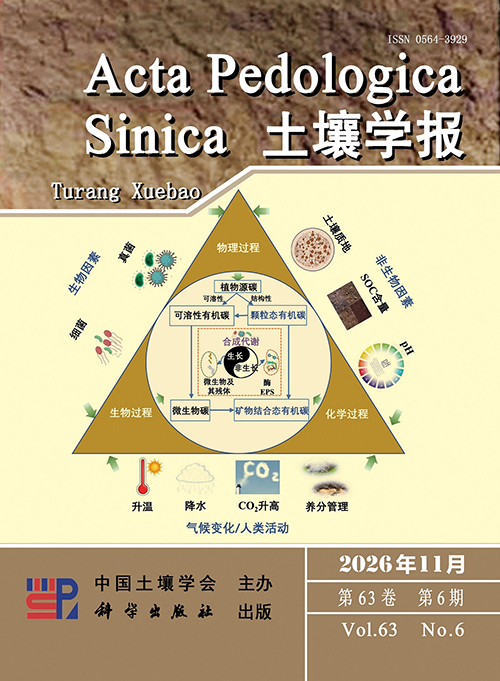
Supervisor: Chinese Academy of Sciences
Sponsor:Soil Science Society of China
Editor-in-Chief:Xu Renkou
Address:71 East Beijing Road, Nanjing 210008, P. R. China
Zip Code:210008
Phone:+86-25-86881237
Email:actapedo@issas.ac.cn
ISSN:0564-3929
 Qr Code
-

WeChat